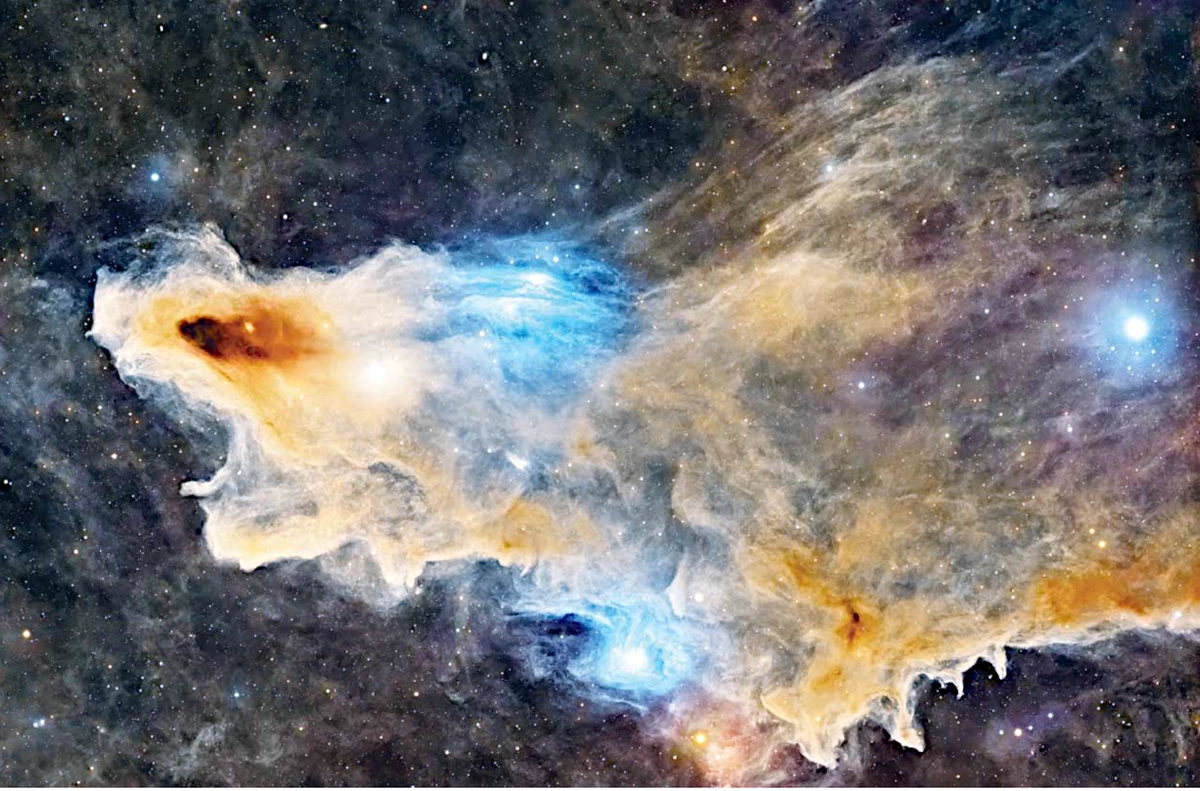
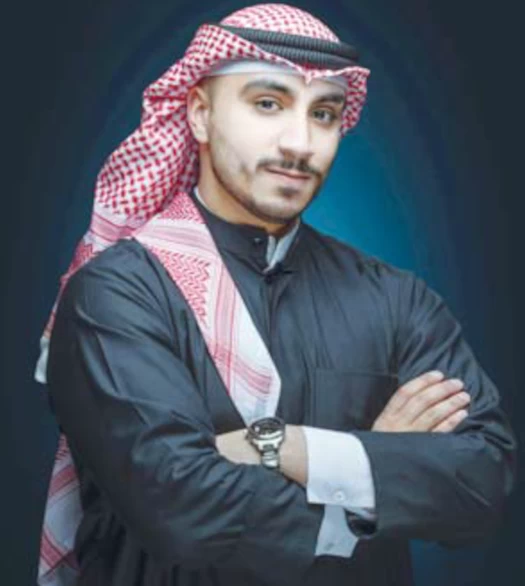
LONDON, Sept 17: The overall winner of Royal Observatory Greenwich’s ZWO Astronomy Photographer of the Year is The Quiet Predator by Ali Alobaidly. This image captures the Shark Nebula (LDN 1235), which lies almost 650 light-years away in the constellation Cepheus. A dark nebula, it is made of interstellar dust dense enough to block starlight. The image will be on display alongside the winners of the other categories in the accompanying exhibition, opening at the National Maritime Museum, London on Friday, September 18, 2026. Ali Alobaidly,
Ali Alobaidly
Overall Winner said, “Receiving this award is a tremendous honour. I am in awe of the extraordinary work of my fellow photographers, each deserving of this recognition. The juxtaposition of an oceanic predator prowling the skies above the Kuwaiti desert is something I find deeply poetic, and it is what first drew me to this remarkable region of the sky. To me, it represents perfectly my love for both the Universe and the deserts of my ancestors. Looking ahead, I hope to continue using astrophotography not only to inspire wonder, but also to contribute to scientific research while using my images to make astronomy more accessible, engaging and meaningful through science communication and education.” Steve Marsh, Art Editor at BBC Sky at Night Magazine and Judge, said, “Sometimes a photograph comes alive through its flawless presentation, pinsharp details and dynamic contrast of light and dark.
This is such an image. The Shark Nebula is already a striking object, but when it is resolved to the point where even detail-rich distant galaxies can be seen through it, you know you’re looking at something very special.” The ZWO Young Astronomy Photographer of the Year award was won by Nikolaos Strimpoulis for his image Mineral Moon.This image is a close-up of the surface of the Moon, including dark areas (known as maria) and bright areas (known as the highlands). The smooth, dark areas are ancient lava flows, while the rugged highlands have been shaped by billions of years of impacts. Steve Marsh, Art Editor at BBC Sky at Night Magazine and Judge said, “Many of us start our astrophotography journey with the Moon – some of us stay there forever! But often we don’t delve deep into the subtle colours of its mineral deposits until much later. This amazing young astrophotographer has achieved perfectly developed colouring in this photograph.”
The other winning images include Saturnian Equinox by Tom Williams, which beautifully captures a rare ringplane crossing of Saturn in 2025, Botswana Star Trail by Stefano Pellegrini and The Crown by Radoslav Sviretsov, which shows a spectacular aurora. In the Annie Maunder Open Category, judges awarded the winning prize toReverse Astronomy: Mother by Paweł Paweł. Sam Wen, Founder and CEO of ZWO, said, “This year’s Overall Winner, The Quiet Predator by Ali Alobaidly, is a stunning blend of technical excellence and artistic vision. Showcasing the intricate structures of a rarely photographed nebula, the image combines remarkable detail with a striking composition and colour palette, inviting viewers to explore the hidden beauty of the cosmos.
A result of exceptional skill, patience and dedication, this outstanding image also marks a historic milestone, as Ali is the first Overall Winner from Kuwait in the competition’s history.” Dr Greg Brown, Royal Observatory Greenwich Astronomer and Judge said, “I never tire of seeing the new entries into the ZWO Astronomy Photographer of the Year competition. For a sky that, at least in some ways, is remarkably unchanging from year to year, the skill and innovation of the entrants, coupled with improvements in technology, means that there is always a wealth of new sights to be seen even in targets that have been observed many times over. The images from this, the 18th year of the competition, continue to show the growth of a community whose passion to capture the stunning variety of our Universe knows as few bounds as the subjects of their images. The only issue, of course, is how difficult a job this makes for the judges – although, as issues go, it’s a great one to have!”
Exhibition information for visitors: Venue: National Maritime Museum, London