


04/01/2026

Share:
04/01/2026
Share:
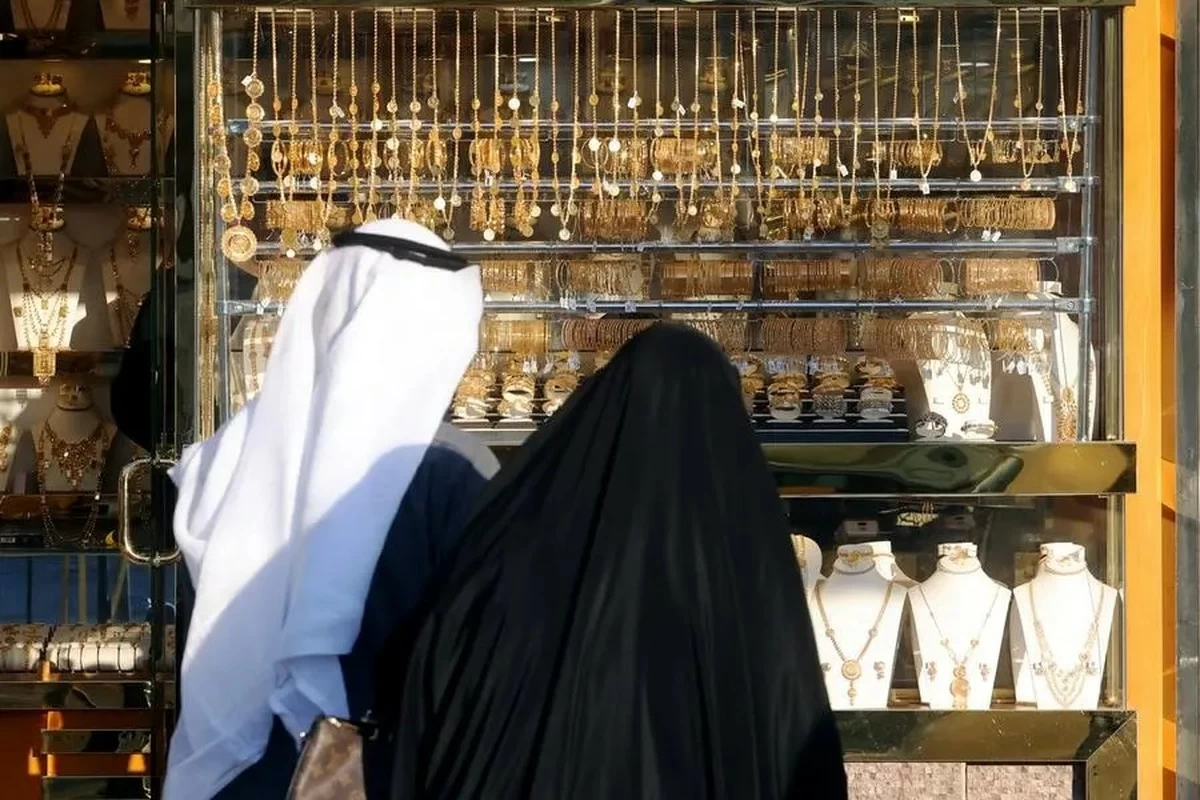

KUWAIT CITY, Jan 4: The Kuwaiti gold market reflected last week’s global price movements, with 24-karat gold trading at around KD 42.8 per gram (approximately 139 dollars) and 22-karat gold at about KD 39.2 per gram (around 126.6 dollars).
According to a report by Kuwaiti company Dar Al-Sabaek issued on Sunday, silver prices stabilized near KD 832 per kilogram (about 2,707 dollars). Globally, gold experienced a noticeable corrective wave after reaching a series of record highs, closing last week at 4,329 dollars per ounce and recording a weekly loss of nearly five percent. The decline was attributed to profit-taking operations and fluctuating risk appetite amid ongoing geopolitical and economic uncertainties. Dar Al-Sabaek report explained that the 4,300-dollar-per-ounce level continues as an important psychological and technical support zone, with clear buying demand emerging whenever prices approach this range.
This suggests that the recent dip is part of a natural correction following a strong year for the precious metal. Expectations of US interest rate cuts during 2026 continue to support gold prices, as investors anticipate the Federal Reserve may ease further if inflation slows and growth weakens. Gold also remains a safe haven amid escalating geopolitical risks and continued strong Central Bank purchases, bolstering its positive medium-term outlook for the precious metal.
The report highlighted that some investors repositioned portfolios after the significant gains of 2025, creating temporary pressure on prices toward the end of the year. Geopolitical developments, particularly US restrictions on Venezuelan oil trade and rising political tensions, have further increased demand for gold as a hedge against global market risks. Strategic reviews by major banks and financial institutions point toward a bullish scenario for gold in the medium term, with expectations for elevated trading ranges in 2026, supported by portfolio diversification and rising inflows into gold-backed exchange-traded funds.
However, Dar Al-Sabaek warned that periodic corrections could occur if US economic data improves or if real yields and the dollar strengthen unexpectedly. Markets are now closely watching US inflation and economic activity indicators, as well as geopolitical developments, with any signs of economic slowdown or clearer signals of interest rate cuts likely to restore upward momentum for gold. The report concluded that the balance of risks still favors holding gold as a key hedging instrument, given the delicate interplay between interest rate expectations, dollar volatility, and ongoing sources of global concern (KUNA)