


17/08/2026

Share:
17/08/2026
Share:

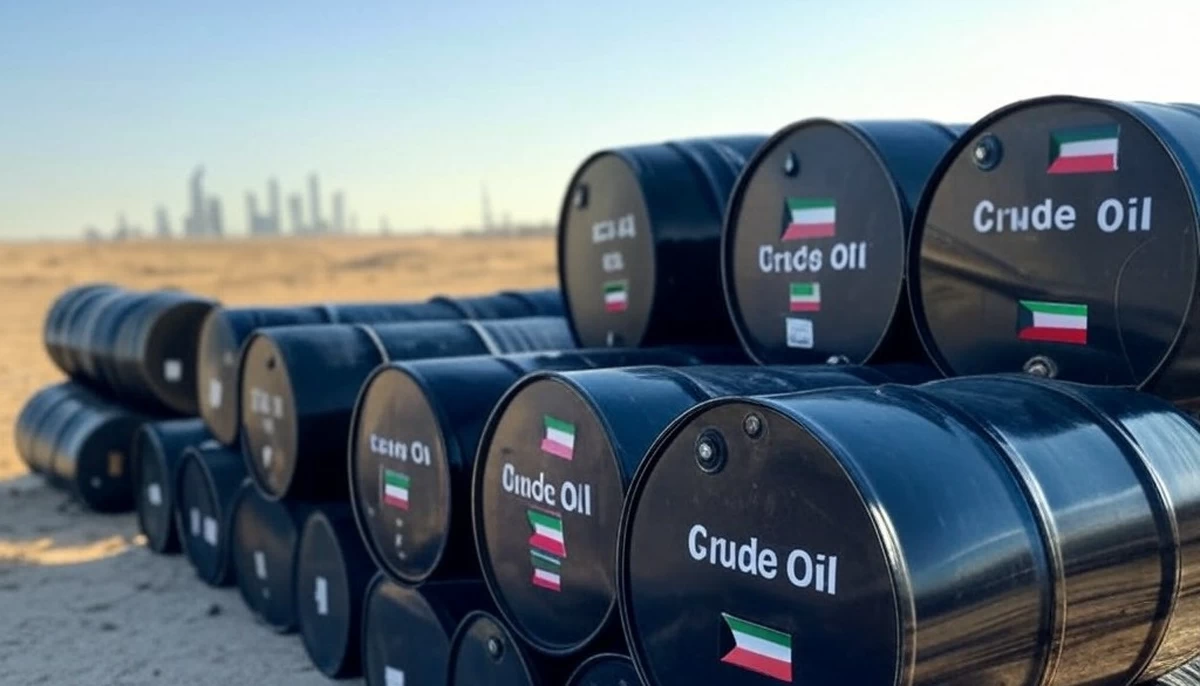
KUWAIT CITY, Aug 17: Former Board Member of Kuwait Petroleum Corporation (KPC), former Minister of Housing and oil expert Yahya Al-Sumait called for redrawing the map of Kuwaiti and Gulf oil export routes. In a statement to the newspaper, Al-Sumait explained that the current security developments require the immediate abandonment of traditional patterns and adoption of flexible strategies that protect national economies from the fluctuations of critical maritime routes, especially since the current volume of trade among the Gulf Cooperation Council (GCC) countries is expected to double if the exchange rate risks and currency differences among GCC countries are eliminated. He affirmed the significance of creating new outlets and markets for oil and petroleum product exports to Europe and Africa, instead of limiting Kuwaiti energy markets to Asian countries. He pointed out that the almost total reliance on Asian markets comes with complex logistical and geopolitical challenges, as these routes require oil tankers to pass through the Strait of Hormuz.
He emphasized the necessity of activating the oil pipeline network among the GCC countries, adding that this step has been delayed for almost 50 years. He believes that such an ambitious regional project is a genuine and vital safety net for the Gulf economies for several reasons, foremost of which is bypassing critical maritime straits. He stated that the collective oil pipeline project allows the transport of Kuwaiti and Saudi oil through a more extensive and secure land network, enabling supplies to reach Omani ports on the Arabian Sea and the Indian Ocean, such as the port of Duqm, and Emirati ports on the Gulf of Oman, such as the port of Fujairah.
He added that this method ensures the continuous flow of energy and oil to global markets safely and stably, far removed from any security disturbances or threats that might surround the Strait of Hormuz. He asserted that the economic interdependence among GCC countries necessitates, now more than ever, accelerating the pace of joint strategic projects and overcoming all inter-regional obstacles to ensure the building of a robust economic bloc capable of protecting the interests of the people and overcoming regional and international challenges in a highly efficient manner.
He added that the countries in the region are bearing a heavy economic burden as a result of the ongoing regional tensions and escalating conflict between the United States of America and Israel on one side, and Iran on the other side. He cited the negative impact of this conflict on development paths and the significant overload on budgets due to heightened security and military preparedness, as well as the disruption of global supply chains. He warned that delaying the economic integration and implementation of structural integration projects in the energy, railway, food security, water and other sectors will increase the cost of future risks for the countries in the region. He confirmed that coordination will bring economic benefits to all GCC countries, unify strategic efforts, nationalize oil technology, and strengthen the Gulf bloc’s negotiating power in global energy markets.
By Najeh Bilal Al-Seyassah/Arab Times Staff