



14/06/2026

Share:
14/06/2026
Share:
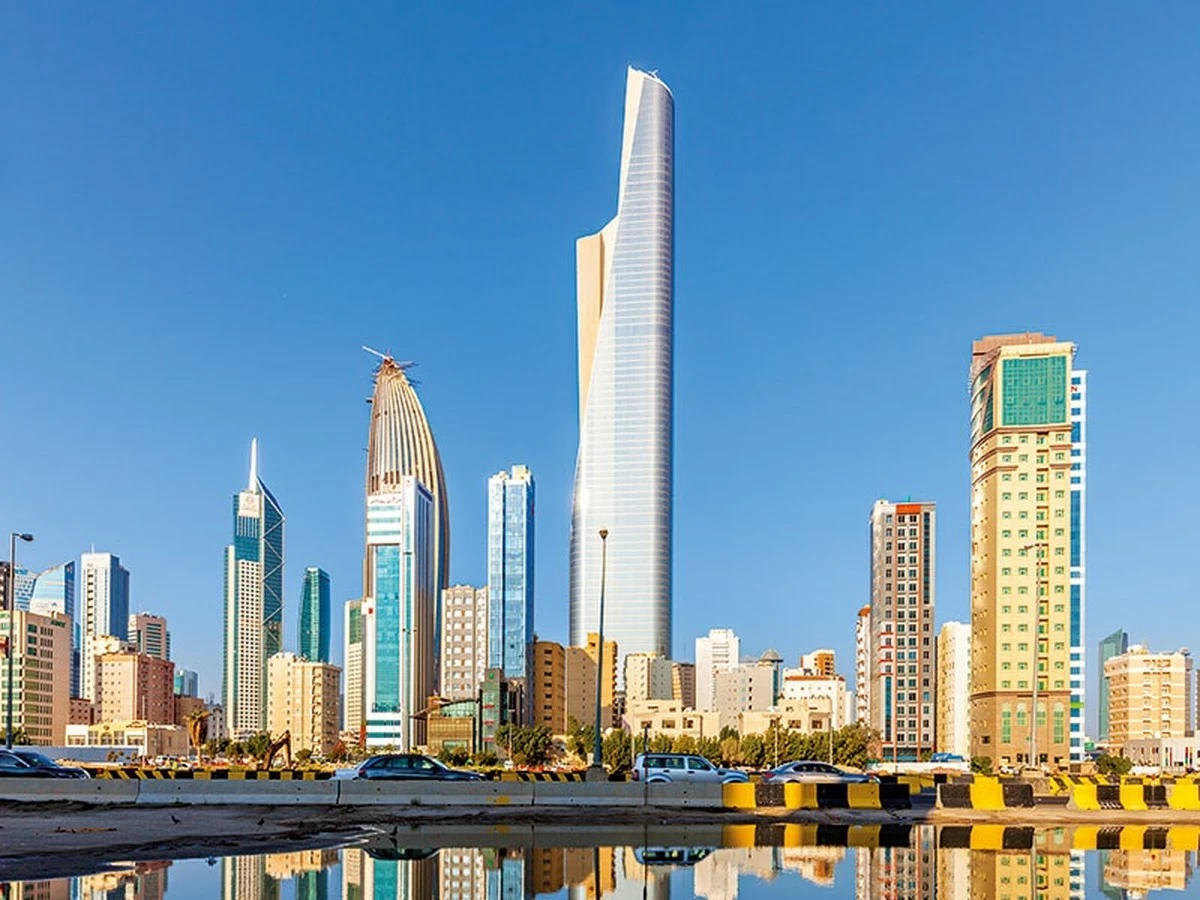

This issue is important, taking into consideration that the Kuwait Direct Investment Promotion Authority (KDIPA) disclosed in its 2025 report that direct investment accounted for only 0.21 percent of total foreign investments in the country, which reached KD1.972 billion from 2015 to 2025. Commenting on the issue, economic analyst Mohammad Ramadan pointed out that foreign direct investment in the country remains weak compared with indirect foreign investment, which continues to expand due to the strong financial position of the country and the resilience of its banking sector. He stressed the importance of achieving balanced growth and greater coordination between direct and indirect foreign investments.
He urged the government to take the necessary measures to increase the overall volume of foreign investment entering Kuwait, particularly direct investment, which he described as one of the most significant indicators of economic growth. He underscored the need to establish an investment city designed to attract foreign capital, provided that appropriate legislation is enacted to support such a project. He explained that the establishment of this city will play a crucial role in attracting foreign direct investment, particularly financial investment. He indicated that the city should be managed with a liberal and investor- friendly approach, which promotes a competitive investment environment through incentives and facilities, including simplified procedures, tax exemptions, and other advantages capable of encouraging major international financial institutions and investment companies to invest directly in Kuwait. He added that Kuwait took positive steps in recent years toward diversifying its sources of income to reduce reliance on a single source.
On the other hand, economist Dr. Adel Al-Kandari attributed the growth of indirect foreign financial investment to the strong financial solvency of the country and its ability to withstand economic shocks and unexpected crises. He believes these factors greatly contributed to the continuous activity of indirect foreign investment in Boursa Kuwait, albeit the direct foreign investment remains limited. He also pointed out that previous parliaments discouraged the entry of foreign capital into the country.
“Prior to the suspension of parliamentary sessions, the parliamentarians exercised considerable influence over economic legislation and policy decisions. Some laws and regulations raised concerns among foreign investors, prompting many to prefer investment in the stock market rather than committing to direct investment projects,” he elaborated. He is optimistic that Kuwait will attract more foreign direct investments in the future, specifically in the financial services sector, considering no major obstacles prevent such investment. He also thinks that the completion of the Mubarak Al Kabeer Port project will remarkably increase the foreign direct investment, while expanding the domestic and international investment opportunities in the country. He went on to say that the plan to establish industrial cities in the country will further support foreign direct investment by encouraging multinational corporations to establish a stronger presence in the Kuwaiti market. He explained that such developments will have a positive impact on the financial sector through the business activities and transactions of these companies, thereby, contributing to the realization of the vision of Kuwait to become a global financial and commercial center. He stressed the importance of removing barriers to foreign direct investment, because such investments can help reduce unemployment by generating employment opportunities and enhancing the skills and capabilities of Kuwaiti nationals.
He suggested the establishment of the Foreign Investment Services Authority to deal with administrative challenges that investment companies could face, and to ease the issuance of visas for business executives and employees. Economist Ahmed Al-Khashnam said Kuwait, in its current phase of reform, is moving toward diversifying its sources of income through a variety of economic initiatives. He underscored the need to intensify efforts to realize the vision of Kuwait to transform into a financial and commercial hub by encouraging foreign investments, considering that neighboring countries are actively competing to attract foreign capital through a range of legislative and regulatory incentives. He added that attracting foreign direct investment requires the creation of a suitable investment climate through the amendment of laws and regulations, as well as the improvement of the economic infrastructure, since foreign investors usually look for incentives, profitability and competitive advantages before committing capital to any country.