


25/01/2026

Share:
25/01/2026
Share:

KUWAIT CITY, Jan 25: The National Council for Culture, Arts and Letters (NCCAL) on Sunday launched a strategic vision for the historic city of Ahmadi as part of the Heritage and Identity for Sustainable Development project, in cooperation with the United Nations Educational, Scientific and Cultural Organization (UNESCO) and the United Nations Development Programme (UNDP).
The launch, held at the Round Hall of the Sheikh Jaber Al-Ahmad Cultural Centre, was attended by ministers, officials, heritage specialists, and other stakeholders, including Foreign Minister Abdullah Al-Yahya, Minister of State for Municipal Affairs and Housing Abdul Latif Al-Mashari, Ahmadi Governor Sheikh Hamoud Jaber Al-Ahmad Al-Sabah, Kuwait Oil Company CEO Ahmed Al-Eidan, and NCCAL Secretary-General Dr. Mohammed Al-Jassar.
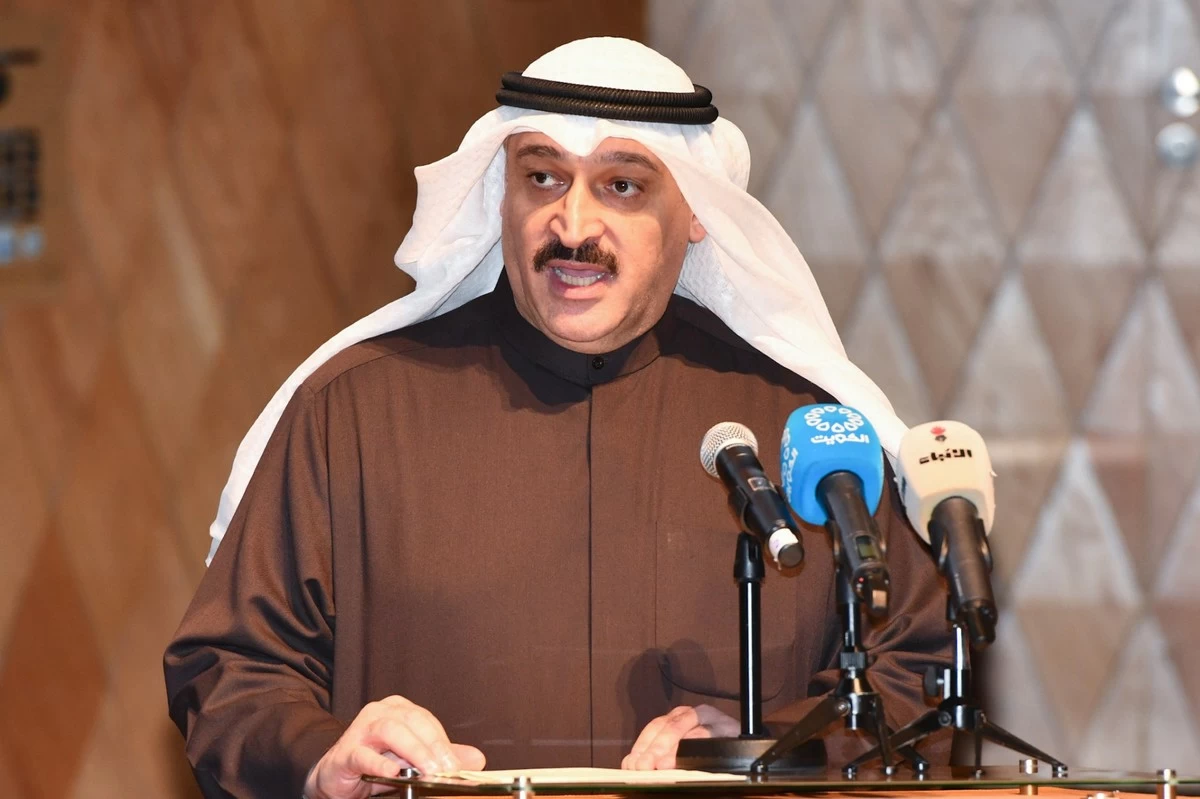
Minister of Health Dr. Ahmed Al-Awadhi, speaking on behalf of Minister of Information and Culture and Minister of State for Youth Affairs Abdulrahman Al-Mutairi, said the event reflects Kuwait’s vision of balancing preservation of historical heritage with future development under the support of the country’s political leadership.
“Ahmadi has never been merely a center for the oil industry but a cultural icon and living testament to Kuwait’s urban development,” Al-Awadhi said. “Today, we launch a comprehensive national vision to develop and enhance heritage sites and activate their role within the broader development framework.”
He noted that the Heritage and Identity for Sustainable Development project translates NCCAL’s strategy to support heritage and strengthen partnerships, in coordination with Kuwait Oil Company, as a cornerstone for preserving national memory. The first phase of the project documented and assessed Ahmadi’s architectural and cultural heritage, aiming to protect and sustainably revitalize the city while promoting creative industries and intergenerational connections.
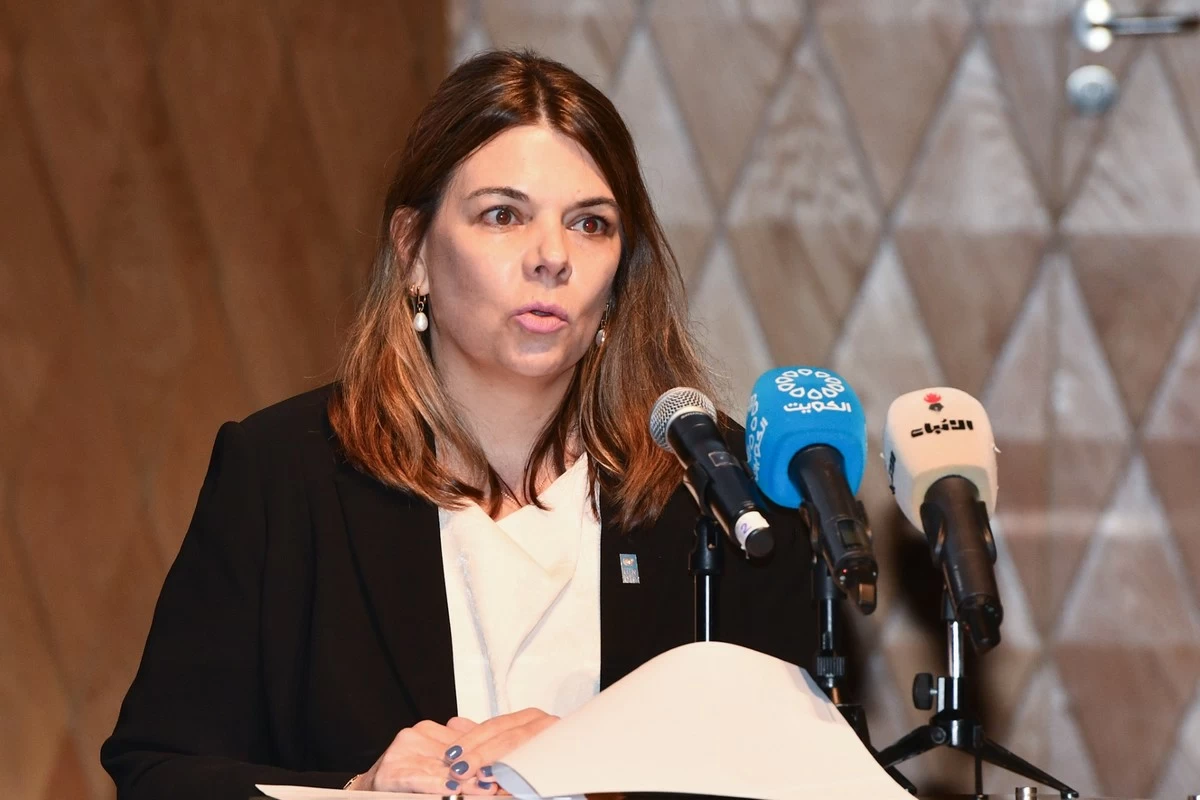
UNDP Resident Representative in Kuwait, Emma Morley, highlighted Ahmadi’s historical significance as Kuwait’s first purpose-built oil city, established in 1947, describing it as a social and cultural hub that shaped generations. She said the strategic vision addresses challenges posed by urban growth while laying the foundation for sustainable heritage-based development, economic diversification, and people-centered urban planning.
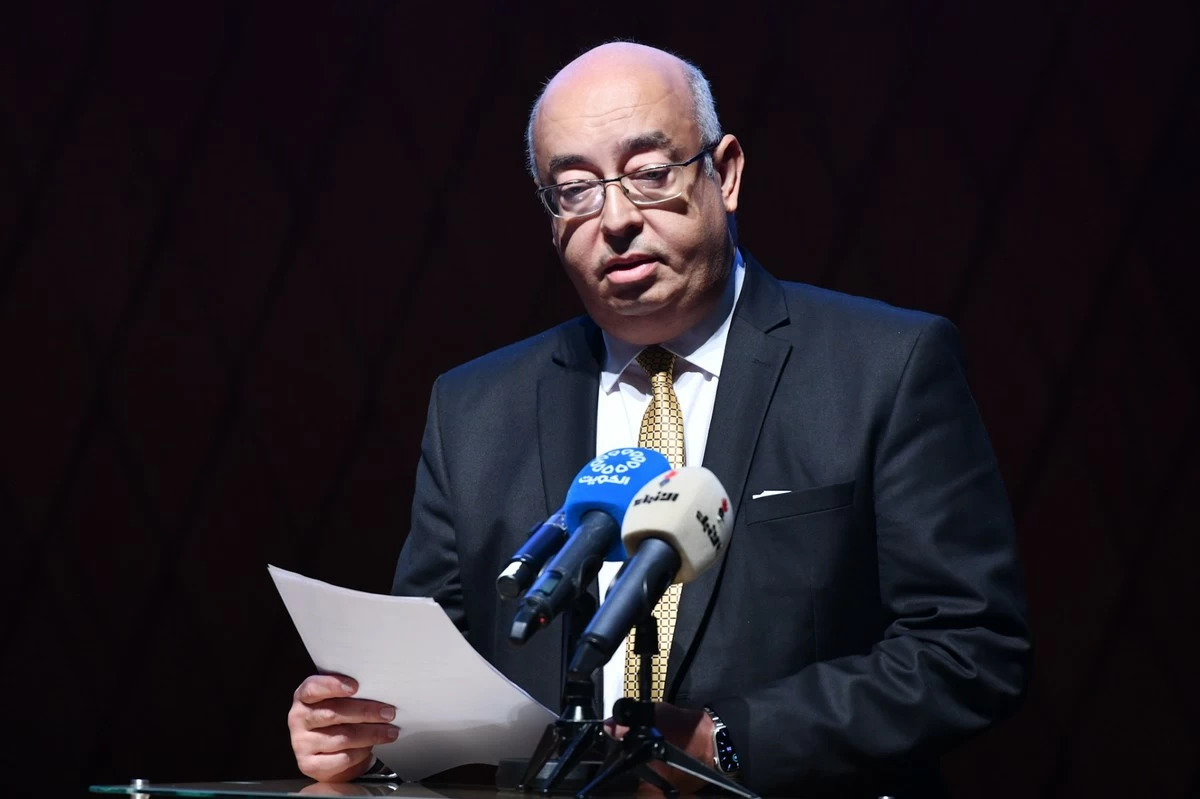
Salah Khaled, Director of UNESCO’s Regional Office for the Gulf States and Yemen, emphasized the importance of preserving Ahmadi’s social and cultural heritage amid development pressures. He said the strategic vision represents a milestone in institutional alignment, with broad participation from stakeholders shaping the implementation through upcoming technical sessions.
The two-day event includes leadership sessions for decision-makers on strategic outputs and institutional frameworks on the first day, followed by technical sessions on methodologies, detailed results, and planning for the second phase. The initiative seeks to consolidate coordination between national entities and support the transition from assessment to implementation, reinforcing Ahmadi City as a national benchmark for integrating heritage into sustainable urban development policies.