


02/02/2026

Share:
02/02/2026
Share:

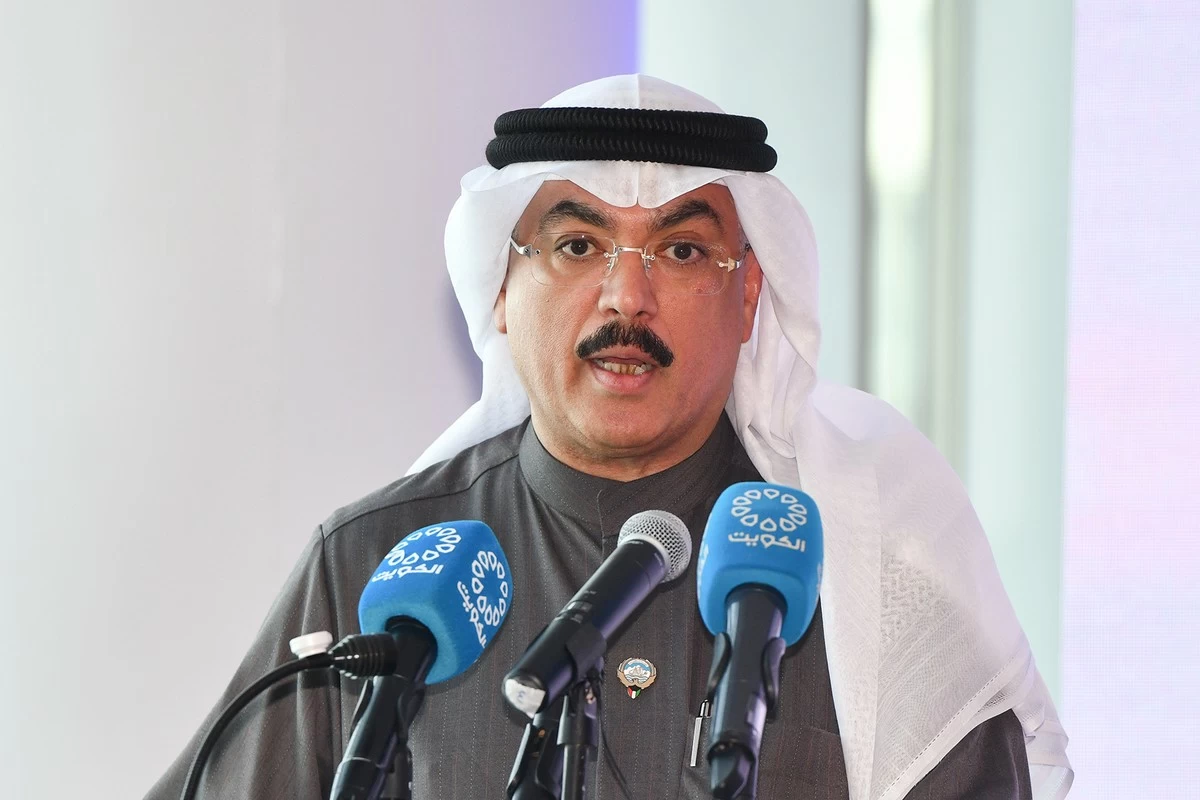
KUWAIT CITY, Feb 2: Minister of Education Sayed Jalal Al-Tabtabaei on Monday affirmed the ministry’s commitment to systematically integrating technology, artificial intelligence, and cybersecurity concepts into new school curricula, aiming to promote responsible technology use and strengthen awareness of its educational and ethical dimensions.
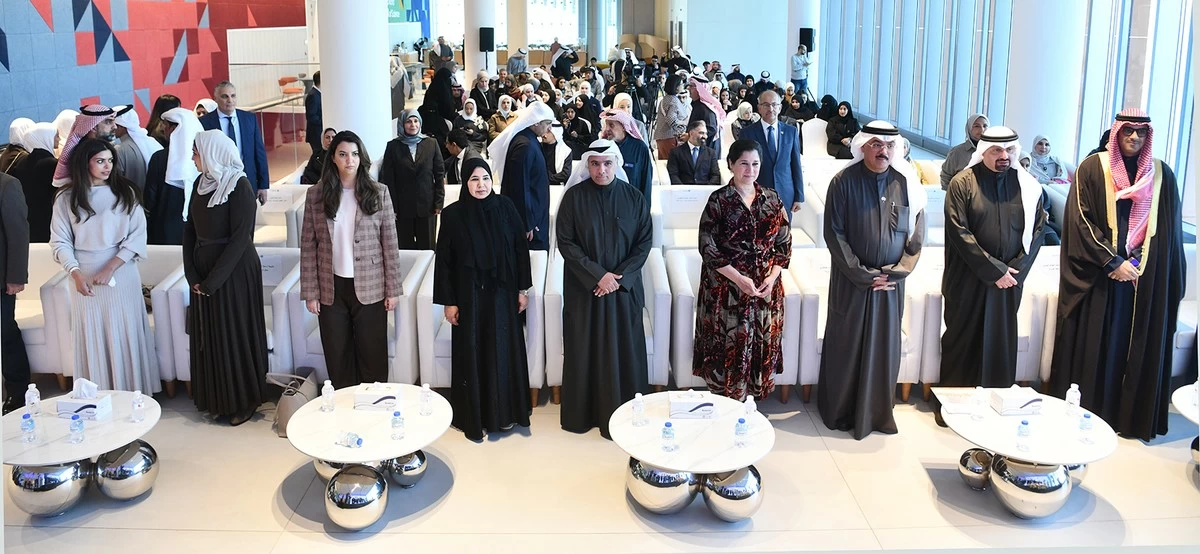
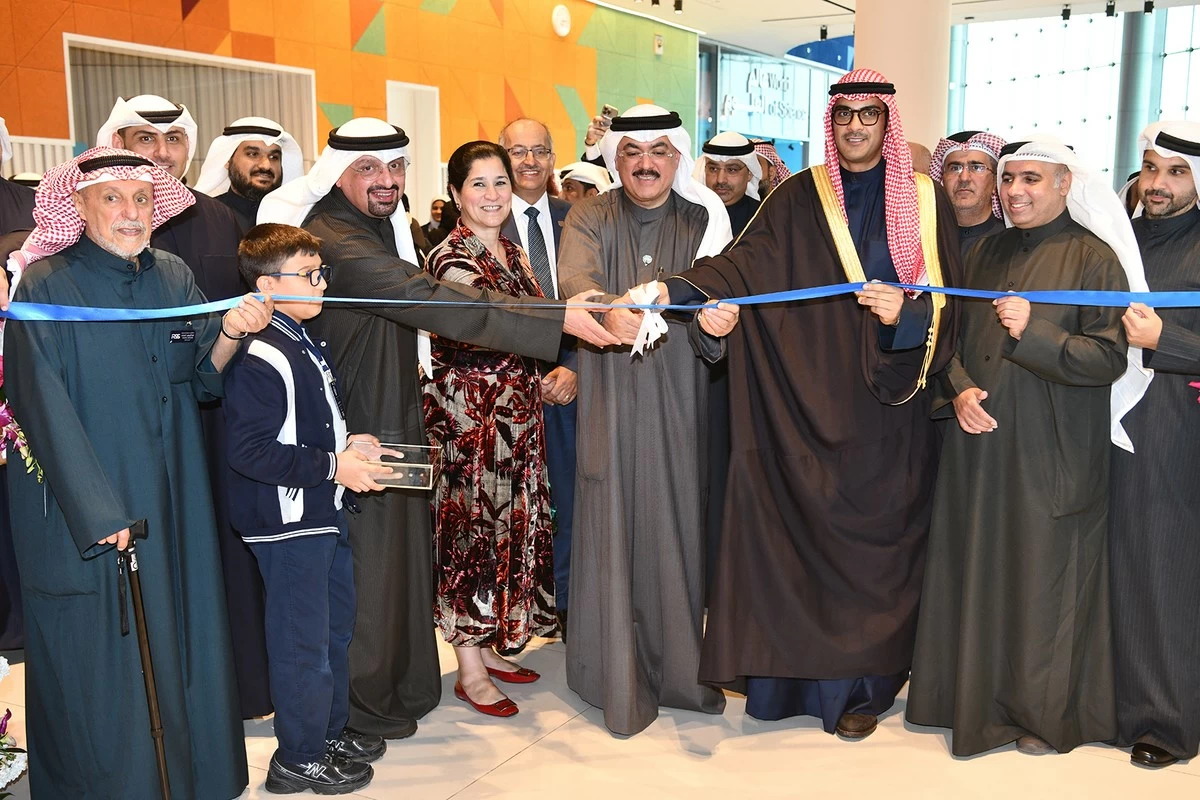
Speaking at the opening ceremony of the fourth edition of the Kuwait Award for Educational Technology — Sheikh Abdullah Al-Mubarak Al-Sabah Award — Al-Tabtabaei said the integration will begin at early educational stages in a manner appropriate to students’ age and learning characteristics. The event was held under the theme “Artificial Intelligence: A Pillar for Developing Education and Building the Future” and was organized by the Kuwait Public Relations Association at the Scientific Center, under the minister’s patronage and in his presence.
Al-Tabtabaei said the award represents a national model for supporting excellence, stimulating creativity, and reinforcing a culture of digital transformation in education, in line with the “New Kuwait 2035” vision, which prioritizes human capital and the knowledge economy. He added that building a modern and flexible education system capable of keeping pace with rapid global changes requires continuous investment in innovation, people, and knowledge.
The minister expressed pride in honoring creative minds, pioneering experiences, and innovative initiatives showcased during the event, noting that the future of education can only be built on innovation and sustained through the conscious development of human potential.
For her part, Supreme Committee member Sheikha Intisar Salem Al-Ali Al-Sabah said artificial intelligence has become an integral part of education systems worldwide, stressing that the key challenge now lies in how best to design and use AI to balance academic achievement with human and ethical values. She emphasized that intelligent systems should support both learning outcomes and essential life skills among students.
Meanwhile, Chairman of the Kuwait Public Relations Association Jamal Al-Nasrallah said organizing the conference reflects a firm belief that education is the foundation of development and that its advancement has become a national necessity driven by accelerating technological change. He noted that the conference serves as a national platform for dialogue and knowledge exchange, highlighting the latest developments in educational technology and exploring ways to employ them to improve learning outcomes.
Al-Nasrallah added that the conference aims to support digital transformation in educational institutions, strengthen partnerships between government and private sectors, and discuss the role of modern technologies and artificial intelligence in developing teaching methods, improving teacher efficiency, and increasing student engagement.
The judging committee announced the winners at the conclusion of the event. PlotoIT won first place in the Educational Robotics category, while Imam Malik Secondary School won the Smart School (Government) category. Rawd Al-Saleheen School won in the Private Schools category, and Kuwait College of Science and Technology won in the University category. Alef Education received the award for Best Educational Platform. In the individual category, Zahraa Abel won first place for Best Idea for her iCareer Path project, while Fatima Al-Mutairi and Fatima Al-Hamad took second place for their Qadar project.