



16/08/2026

Share:
16/08/2026
Share:
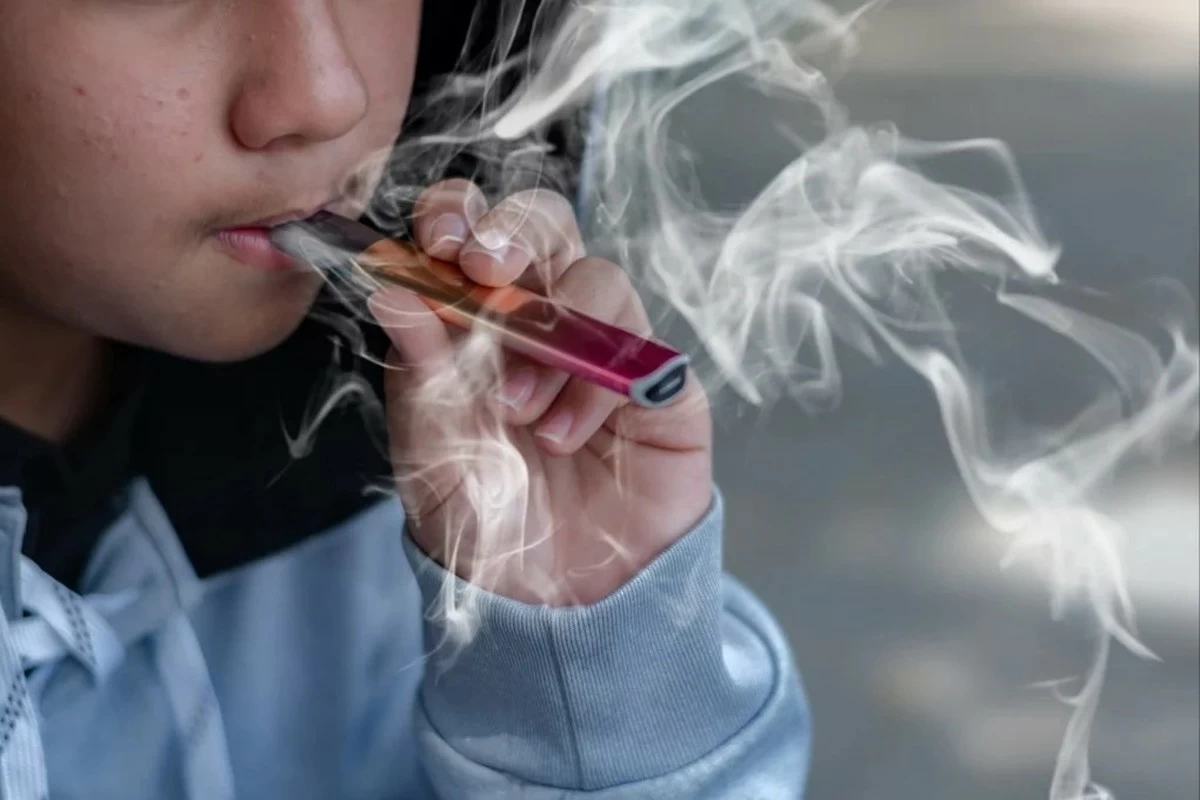

KUWAIT CITY, Aug 16: Kuwait has introduced a comprehensive regulatory framework governing the import, manufacture, distribution, sale, advertising and use of tobacco and nicotine products, with new restrictions covering electronic cigarettes, heated tobacco products and other nicotine delivery systems.
Minister of Health Dr. Ahmed Al-Awadhi issued Ministerial Resolution No. 237 of 2026, establishing detailed controls intended to reduce the availability and consumption of tobacco and nicotine products and protect public health, particularly among children and young people.
The resolution, published by Al-Anbaa newspaper, covers traditional tobacco products as well as electronic cigarettes, heated tobacco devices, nicotine products and other technologies used to deliver nicotine.
The new regulations are based on Kuwait's national legislation and international tobacco-control commitments, including the World Health Organization Framework Convention on Tobacco Control and WHO recommendations.
Unregistered and child-targeted products bannedUnder the resolution, the import, manufacture, packaging, repackaging, distribution, trading, sale, display and storage for sale of certain tobacco and nicotine products are prohibited.
The ban includes nicotine pouches and oral or mucosal nicotine products that are not registered as medicines. It also covers products of unknown origin, products that fail to meet approved specifications, newly introduced products that have not received Ministry of Health approval, and products exceeding permitted limits for nicotine, ingredients or emissions.
Products designed or marketed to attract children or young people are also prohibited. This includes products featuring cartoon characters, toy images or packaging designed to resemble sweets, beverages or other products associated with children.
Registration required before products can be soldThe resolution makes registration and approval by the relevant Ministry of Health departments a mandatory condition for the manufacture, import, distribution or sale of tobacco, nicotine and nicotine-delivery products.
Manufacturers and traders must provide detailed information about their products, including ingredients, nicotine concentration, additives, country of origin, batch number, production date and expiry date.
Companies are also prohibited from making health or therapeutic claims about their products without explicit approval from the Ministry of Health.
Terms such as "less harmful," "mild," "very light" and "low tar," or other descriptions suggesting that a product carries reduced health risks, are also prohibited.
No sales to anyone under 21The regulations prohibit the sale, delivery or provision of tobacco, nicotine and nicotine-delivery products to anyone under the age of 21.
Retailers must verify customers' ages using their civil ID or another officially approved method before completing a sale or delivery.
Licensed outlets must also display a clear notice in both Arabic and English informing customers that sales to people under 21 are prohibited.
Sales banned in schools, hospitals and government facilitiesThe resolution prohibits the sale, display and distribution of tobacco and nicotine products in a broad range of locations.
These include nurseries, kindergartens, schools, institutes, universities, colleges and other public and private educational institutions.
The restrictions also apply to public and private health and medical facilities, government agencies and institutions, sports clubs, health institutes, youth centers, theaters, cinemas and other facilities serving children and young people.
Sales and display are additionally prohibited in grocery stores, mobile carts, temporary kiosks, exhibitions, entertainment events and through self-service kiosks.
Online sales and delivery services prohibitedOne of the most significant provisions is a ban on selling, displaying or distributing regulated tobacco and nicotine products through websites, electronic applications, social media platforms and delivery services.
The resolution also prohibits direct or indirect advertising and marketing of these products through any medium.
The restrictions cover traditional media, websites, social media, influencers, content creators, billboards, exhibitions and events.
Businesses and individuals are also prohibited from distributing free samples or gifts, offering discounts or promotional deals, or using tobacco and nicotine brands to sponsor sports, cultural, social or educational activities.
Restrictions on media content involving smokingThe resolution introduces controls on media and digital content depicting smoking, tobacco use, nicotine or nicotine-delivery systems, particularly material aimed at or accessible to children and adolescents.
Relevant authorities are required to monitor such content and work to reduce the appearance of smoking-related scenes.
Where such scenes are considered technically necessary, an awareness message or health warning explaining the harmful effects of tobacco and nicotine use must be displayed simultaneously.
E-cigarettes treated as smoking in public placesElectronic cigarettes, heated tobacco products and other devices that produce smoke, vapor, aerosols or similar emissions will be treated in the same way as smoking under existing restrictions.
This means the ban on smoking in public and enclosed places where smoking is prohibited also applies to vaping, heated tobacco products and similar nicotine-delivery devices.
The measure extends Kuwait's existing smoking restrictions beyond traditional cigarettes to newer products that generate vapor or aerosols.
Ministry given enforcement powersThe Ministry of Health, in coordination with relevant government authorities, will oversee implementation and enforcement of the regulations.
The Environment Public Authority, Environmental Police, General Administration of Customs and other concerned agencies will participate in monitoring and inspection within their respective jurisdictions.
Authorities may prevent non-compliant products from entering Kuwait or being circulated in the country and may order their withdrawal and removal.
They may also take measures to block or remove illegal online advertisements and other non-compliant digital content.
Penalties for violationsAnyone violating the new regulations will be subject to the penalties and measures prescribed under Kuwait's relevant laws, regulations and ministerial decisions.
The enforcement provisions cover violations involving the import, manufacture, distribution, sale, advertising, promotion and other activities regulated by the resolution.
The new rules will take effect on January 1, 2027. Any provisions conflicting with the new resolution will be repealed once it comes into force.
The resolution represents a broad expansion of Kuwait's regulatory controls over tobacco and nicotine products, with particular emphasis on restricting access by people under 21, preventing online sales and promotion, limiting child-oriented marketing and extending smoking restrictions to electronic and heated tobacco products.