



10/08/2026

Share:
10/08/2026
Share:

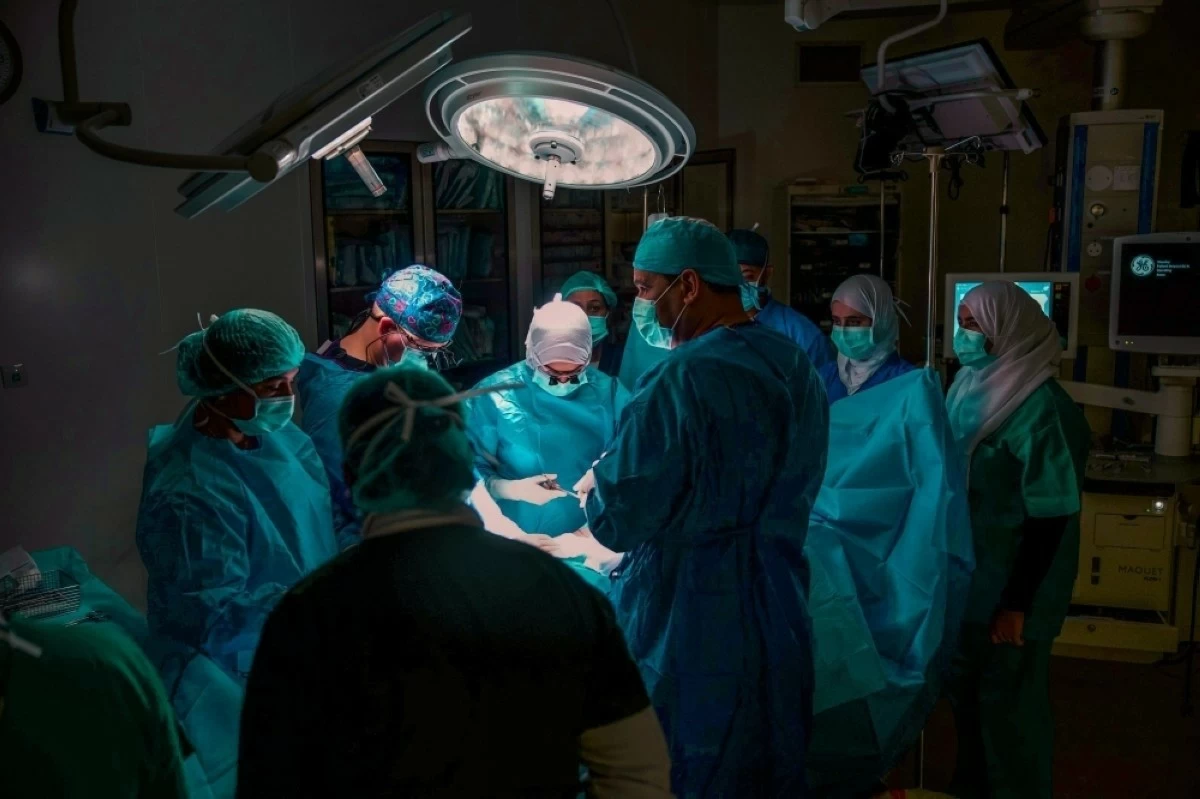
KUWAIT CITY, Aug 10: Minister of Health Dr. Ahmed Al-Awadi issued a ministerial decree on regulating surgical procedures and medical interventions in the public and private sectors in order to guarantee patient safety and raise the level of adherence to professional and regulatory standards. Decree No. 220/2026 defines the professional powers and privileges of doctors by linking the performance of surgical procedures and medical interventions to the specialization, license and professional privileges of the doctors, according to the classifications established by the relevant departmental councils and approved by the undersecretary of the ministry. The decree stipulates the need to obtain the patient’s informed consent before performing surgical procedures and medical interventions, disclosing the identity of the participating medical team, and documenting this in the medical file of the patient.
The decree specifies the powers of doctors and the levels of supervision for surgical procedures and medical interventions as per their job title and the regulations. It stresses the need to prioritize emergency cases that cannot be delayed and to ensure the availability of operating rooms and the necessary medical personnel to handle them immediately. It emphasizes the importance of providing continuous medical care after surgical procedures and interventions by monitoring the patient and documenting the treatment plan. It stipulates the comprehensive documentation of all medical procedures, including recording the details of the surgical operations performed and the medical team involved, whether in the medical file or the operating room log. It states that no additional surgical intervention should be performed during a procedure except in case of emergency, and that a sufficient number of operating rooms should be operational to accommodate emergency cases. It mandates the surgeons employed by the ministry to provide surgical care in private facilities, in accordance with the approvals and procedures specified in the decision.
It authorizes the undersecretary of the ministry or his designee, according to the administrative hierarchy to approve the temporary suspension of the authority to perform surgical procedures or interventions when necessary. It also allows the review of requests related to overlapping jurisdictions between different medical specializations within three months of the publication of the decree. It underscores the necessity of ensuring that the performance of surgical procedures and interventions is linked to the field of specialization, licensing and approved professional privileges of the doctor. It states that the scheduled elective surgeries must be performed by a doctor at the specialist level or higher. A doctor at the assistant level (registered physician) or resident level is not permitted to perform surgery or any medical intervention independently. It regulates the handling of cases requiring additional expertise during surgical procedures.
It mandates a doctor encountering difficulties or challenges during a surgical procedure to seek assistance from experienced colleagues before altering the type of surgery or halting it, provided the patient’s condition permits. It prohibits surgeons from performing more than one surgical procedure simultaneously or leaving the operating room during surgery except in case of extreme necessity and after ensuring the patient’s complete insurance coverage. In emergency or necessary cases, the decree allows the assignment of surgeons employed by the ministry to provide surgical care in private healthcare facilities, subject to the approvals and procedures outlined in the decree. It requires the heads of surgical departments to hold a meeting at least once a month to review cases involving complications and deaths, analyze their causes, and assess shortcomings and observations. It sets certain controls for cases of amputation of body parts or organs, and cases of excision or tissue sampling, including completion of the specified procedures, sending samples for examination, following up results of the tissue examination, informing the patient about the result, and documenting this in his medical file.
By Marwa Al-Bahrawi Al-Seyassah/Arab Times Staff