



27/12/2025

Share:
27/12/2025
Share:

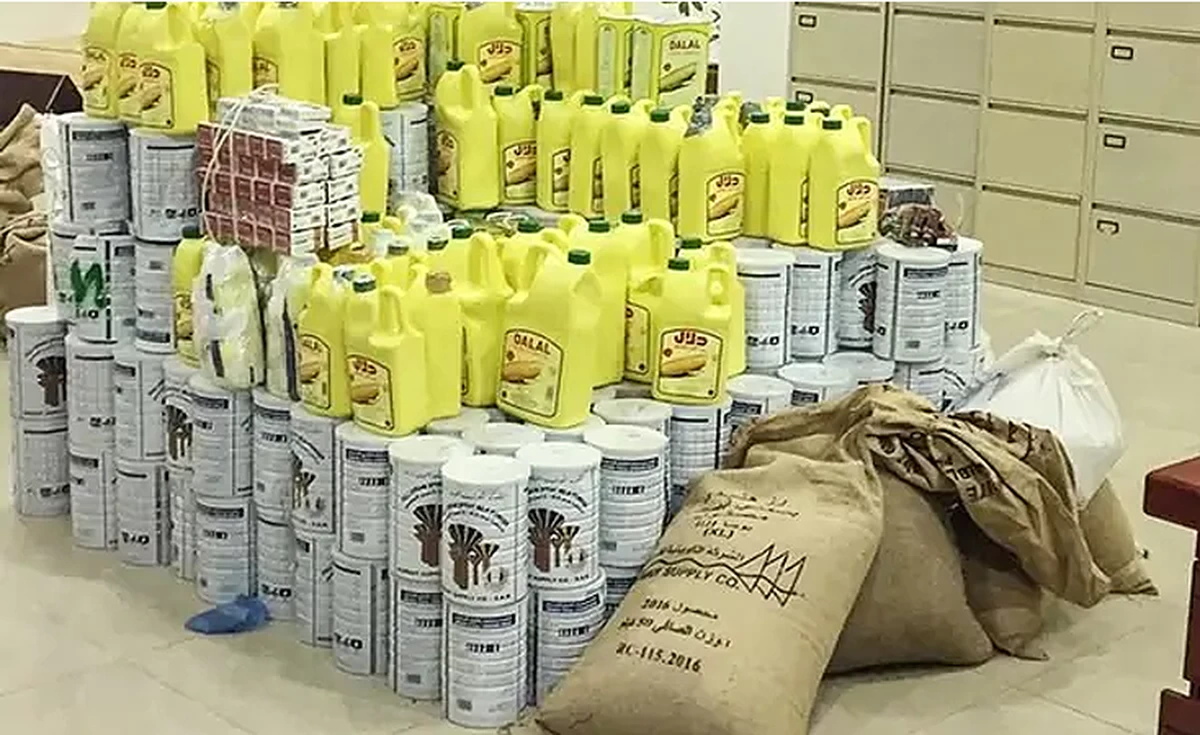
KUWAIT CITY, Dec 27: The government is finalizing arrangements to reorganize subsidized food consumption quantities, subsidy values, and the size of the country’s strategic food reserve, as part of a broader reform of the ration card system. A comprehensive implementation plan is currently being prepared, which will define operational mechanisms and clearly identify categories to be excluded from subsidies. According to October data, the ration card system currently serves approximately 2.32 million beneficiaries.
The public treasury is expected to save around KD 50 million annually following the Cabinet’s decision issued on November 8 to limit access to subsidized food supplies exclusively to eligible Kuwaiti citizens. These projections are based on preliminary data being compiled by the relevant authorities in line with the approved implementation framework.
Data from the Ministry of Commerce show that the total number of ration cards reached 273,730 by the end of September, up from 267,670 during the same period in 2024, reflecting an increase of 6,050 cards, or 2.26 percent. The number of beneficiaries rose to approximately 2.32 million, compared to 2.24 million previously, marking an increase of 78,491 beneficiaries, or 3.5 percent. During the first ten months of the year, government spending on food subsidies for essential commodities amounted to about KD 125.9 million.
Officials at the Ministry of Commerce are currently reviewing the Cabinet’s decision in accordance with government directives, intending to develop a detailed and comprehensive implementation plan. This review includes determining which categories will be excluded from subsidies. Sources clarified that individuals whose citizenship was revoked but who have since regularized their legal status and are treated as Kuwaiti citizens will continue to receive their previously allocated food subsidies.
At present, five categories benefit from food subsidies: Kuwaiti citizens, Gulf nationals residing in Kuwait, domestic workers employed by Kuwaitis, stateless persons, and other beneficiaries designated under specific government decisions. However, sources noted that non-Kuwaitis listed on ration cards benefit only from subsidized food items and are not entitled to subsidies allocated for construction materials, which are capped at approximately KD 30,000 per beneficiary.
The upcoming update to the ration card system is expected to reassess monthly food consumption quantities, revise the subsidy values provided by the state, and recalibrate the targeted levels of the strategic food stock to better align with actual demand.
The Cabinet has emphasized a strict ban on the export or resale of subsidized food supplies, reaffirming that such subsidies must be granted solely to eligible Kuwaiti citizens. It has instructed the Ministry of Commerce, the General Administration of Customs, the Public Investment Authority (Kuwait Supply Company), and other relevant government bodies to take all necessary legal measures against violators. Authorities have also been tasked with strengthening oversight to ensure that subsidized food items are distributed only to eligible recipients and with intensifying coordination among government agencies to combat the smuggling of subsidized goods outside the country through land, sea, and air ports, to safeguard public funds.
According to official data covering the first nine months of the year, beneficiaries carried out approximately 142,100 transactions related to ration cards, including additions, updates, deletions, and new issuances. The first quarter recorded 44,660 transactions, the second quarter 50,460, and the third quarter 46,970. April saw the highest transaction volume at 18,270, while March recorded the lowest at 11,680. During this period, the Ministry of Commerce issued 5,230 new ration cards, renewed 4,199, deleted 345, added 98,564 individuals, removed 30,206 individuals, and processed 3,558 data updates.