



16/08/2026

Share:
16/08/2026
Share:
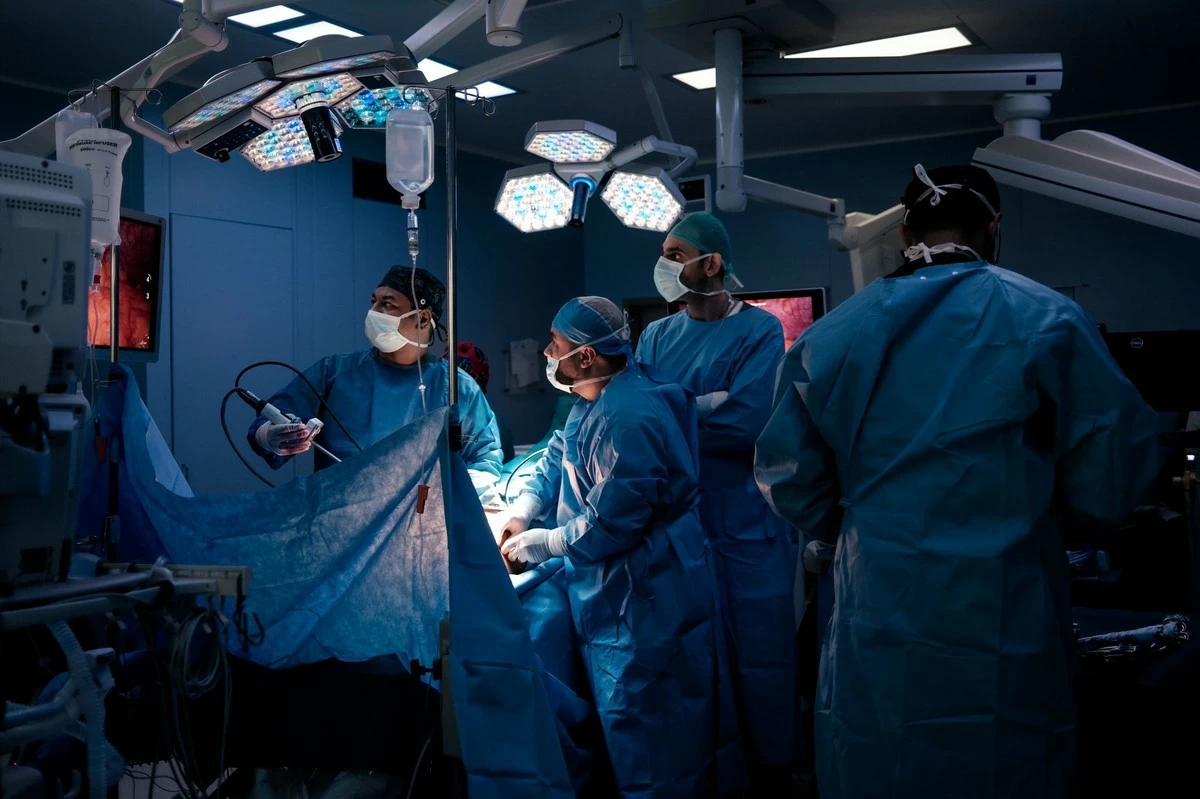

KUWAIT CITY, Aug 16: Kuwait’s Ministry of Health has introduced a comprehensive regulatory framework governing cosmetic surgeries and procedures in both the public and private sectors, setting out which medical specialties may perform specific treatments and the qualifications required for physicians and other healthcare professionals.
Health Minister Dr. Ahmed Al-Awadhi issued Ministerial Decree No. 232 of 2026, amending the requirements and conditions for cosmetic procedures. The decree covers physician qualifications, specialty-specific procedures, liposuction, laser treatments, psychological assessments, patient consent and the management of complications.
The regulations define cosmetic interventions as surgeries and medical procedures undertaken at a patient’s request to improve appearance or body shape, subject to accepted medical principles, professional standards and medical ethics.
Cosmetic procedures restricted by specialty
The decree approves lists of cosmetic procedures for plastic surgery, dermatology, ophthalmology, otolaryngology (ENT), general surgery, obstetrics and gynecology, oral and maxillofacial surgery, oncology and breast reconstruction, and vascular surgery.
In general, cosmetic interventions are restricted to specialist, senior specialist or consultant physicians holding board certification or an equivalent qualification, or to procedures performed under the supervision of physicians meeting those requirements.
Plastic surgeons are authorized to perform a broad range of procedures, including neurotoxin and filler injections, thread lifts, IPL and laser treatments, hair transplantation, skin-lesion excision and PRP therapy. Their permitted surgical procedures include abdominoplasty, liposuction, breast augmentation and reduction, fat grafting, facial implants, rhinoplasty, facelifts, eyelid surgery and brow lifts, as well as specified cosmetic gynecological procedures.
Dermatologists may perform neurotoxin injections for cosmetic purposes and for excessive sweating affecting the palms, soles and underarms. They may also administer dermal fillers, biostimulating agents, mesotherapy, skin boosters and PRP, and perform laser and other energy-based skin treatments, dermabrasion, chemical peels and scar-revision procedures.
Ophthalmologists are authorized to perform specified eyelid and periorbital procedures, including minor eyelid surgery, selected corrections of eyelid disorders, periorbital neurotoxin and filler injections, non-surgical thread lifts and direct brow lifts.
ENT specialists may perform approved cosmetic procedures in the head and neck region, including neurotoxin injections, fillers of up to 50 cc, thread lifts, IPL and laser treatments. General surgeons may perform selected breast and abdominal procedures, including mastectomy without liposuction, breast lift surgery, simple abdominoplasty without liposuction and repair of diastasis recti.
Gynecologists are permitted to perform laser or radiofrequency vaginal tightening and ablative laser treatment for specified vulvar lesions. Oral and maxillofacial surgeons may perform facial neurotoxin injections, facial fillers of up to 50 cc, submentoplasty, specified nasal soft-tissue procedures and facial implants. Vascular surgeons may use laser and sclerotherapy treatments for varicose and spider veins.
Additional qualifications for advanced procedures
The decree establishes a second category of advanced cosmetic procedures requiring additional training or experience. Physicians must be specialists, senior specialists or consultants with board certification or an equivalent qualification.
To perform procedures in this category, a physician must either complete an accredited, in-person fellowship of at least 12 months in the relevant specialty, approved through the appropriate hospital departmental councils, or have at least five years of experience performing cosmetic procedures within the relevant specialty, subject to departmental council approval.
For dermatologists, advanced procedures include dermabrasion, hair transplantation, rhinophyma repair, non-surgical eyelid procedures, cryotherapy, treatment of hypopigmentation disorders, scar excision and revision, facial and neck thread lifts, earlobe repair, keloid removal with flap or graft reconstruction and submental liposuction of up to 50 cc.
For ENT specialists, the advanced category includes surgical rhinoplasty, otoplasty, facial reconstruction, facial and neck flaps and grafts, scar revision, facelifts, facial implants and submental liposuction of up to 50 cc.
Advanced ophthalmological procedures include eyelid surgery, canthopexy, flap and graft procedures around the eyes and face, eyelid and brow augmentation and reconstruction, midface lifts, neurotoxin and filler injections, fat injections and transfers, orbital fat injections, energy-based skin resurfacing and tightening, periocular laser ablation and eyebrow and eyelash transplantation.
Advanced gynecological procedures include vaginoplasty, labiaplasty, vulvectomy and nymphoplasty. Oncology and breast reconstruction surgeons may perform oncoplastic breast reconstruction, while the advanced category also includes selected facelifts, submental liposuction and facial fat grafting of up to 50 cc, brow lifts, reconstructive eyelid surgery and canthopexy.
Strict controls on liposuction
The decree establishes detailed safety requirements for liposuction. Surgeons must have appropriate training and experience to perform the procedure and manage potential complications. Patients must receive a full explanation of the procedure and its risks, and informed consent must be obtained before surgery.
An anesthesiologist must conduct a preoperative assessment and document it in the patient’s medical record. At least one nurse must assist the surgeon during every liposuction procedure.
Liposuction may be performed at same-day surgery centers only when the total volume of pure liquefied fat removed does not exceed 5 liters. If more than 5 liters is removed during a single procedure, the patient must remain hospitalized for at least 24 hours, regardless of the number of treatment areas, the patient’s sex or body size.
If a patient undergoing the procedure at a day-surgery center requires more than 23 hours of hospitalization, the patient must be transferred to a hospital.
The regulations also provide that the volume of supernatant fat removed must not exceed 8 percent of the patient’s body weight, measured without clothing. The decree emphasizes that liposuction is not a weight-loss procedure.
Medical records must document the patient’s height, weight and BMI before surgery, the volume of fluids and fat removed, the treated areas, the technique used, whether internal or external ultrasound was employed and any complications. Pre- and post-operative photographs, together with weight and BMI, must be retained for follow-up.
The decree also prohibits purely cosmetic procedures for patients with a BMI above 35, adding an additional restriction for elective cosmetic interventions.
Rules for laser procedures
Nursing staff may perform laser procedures only under strict conditions. They must obtain the required license from the Radiation Protection Department, complete an accredited training course and hold the relevant training certificate.
The procedure must be performed under the supervision of a qualified specialist, senior specialist or consultant who is licensed by the Radiation Protection Department. A qualified physician must examine the patient before every laser session, determine the appropriate device settings and ensure that the assessment and informed consent are documented in the patient’s medical record.
Psychological assessment before cosmetic surgery
The decree introduces additional safeguards for patients with mental or psychological disorders. Before cosmetic surgery is performed on such patients, the physician must obtain an accredited psychiatric report from a senior psychiatrist or higher-level specialist confirming that the patient is psychologically stable and suitable for the procedure.
The requirement applies to disorders that could affect the patient’s ability to make sound medical decisions, including body dysmorphic disorder, schizophrenia, major depression, eating disorders and borderline personality disorder, as well as other psychological conditions that may affect decision-making.
The psychiatric report must be issued by a psychiatrist licensed and accredited by the Ministry of Health. It must provide a comprehensive assessment of the patient’s psychological condition, confirm the patient’s capacity to make an informed decision and assess the suitability of anesthesia, including possible effects or interactions with psychiatric medications. Any necessary precautions or follow-up requirements must also be specified.
The report is valid for no more than three months from the scheduled date of the cosmetic procedure.
Responsibility for complications
The decree also establishes procedures for managing complications arising from cosmetic interventions in both the public and private sectors.
In the public sector, patients who develop complications are to be admitted to the healthcare facility they choose in accordance with the applicable specialty and regulations. The physician who performed the procedure remains professionally responsible for the necessary examinations and treatment of complications. A Medical Incident Report must also be prepared and submitted to the relevant Complications and Mortality Committee.
In the private sector, patients who develop complications must be admitted to the same private hospital or specialized center where the cosmetic procedure was performed. The physician who carried out the procedure remains professionally responsible for the necessary examinations and treatment. A medical report and Medical Incident Report must be prepared and submitted to the Medical Licensing Department.
Patients who request treatment at a government hospital may be treated there in accordance with applicable regulations, provided the case is handled by physicians from the same specialty as the doctor who performed the original procedure in the private sector.
The decree takes effect from the date of its issuance, is to be published in the Official Gazette and supersedes any previous provisions that conflict with its requirements. The new framework is intended to strengthen patient safety, ensure that cosmetic procedures are performed according to physicians’ qualifications and specialties, and establish clearer accountability for complications in Kuwait’s public and private healthcare sectors.
By John C Fernandes
Online Media Manager - Arab Times