



25/08/2026

Share:
25/08/2026
Share:
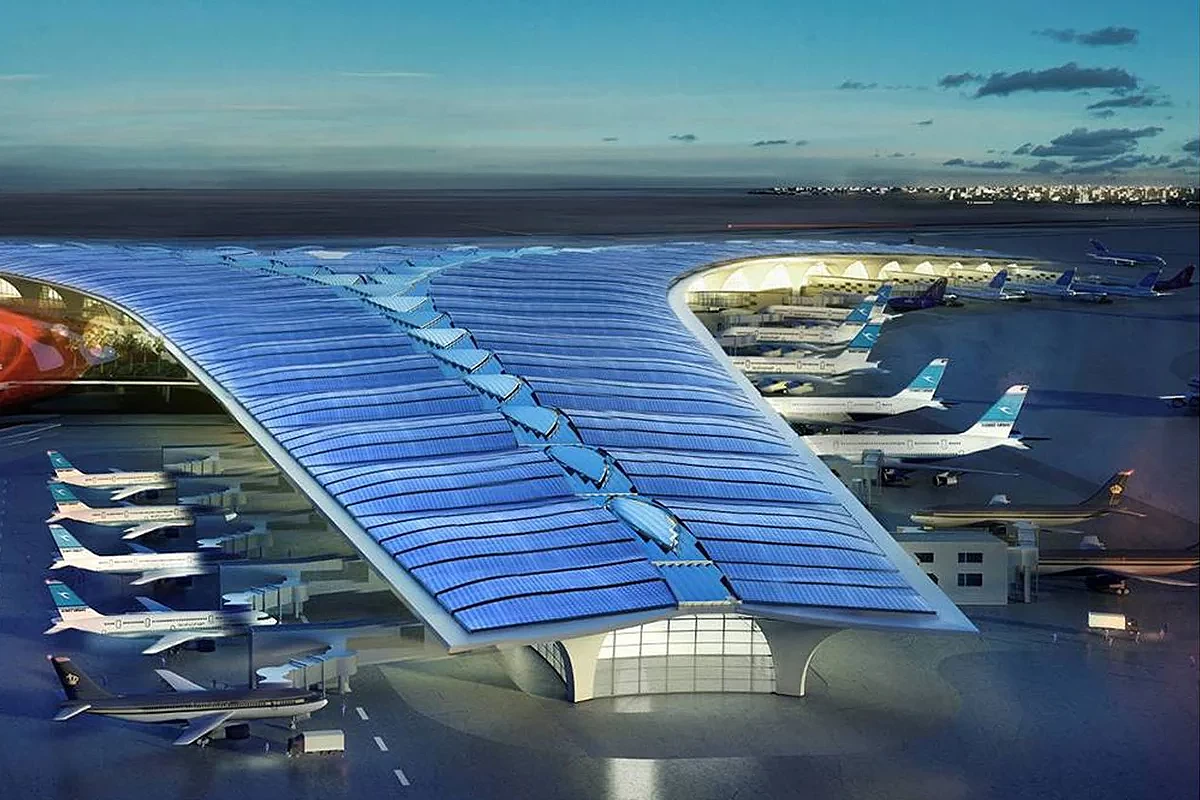

KUWAIT CITY, Aug 25: The government intends to open new avenues for expanding aviation partnerships, in addition to developing and offering unprecedented incentives and facilities for international investors. The aim is to ensure that Kuwait keeps pace with the construction boom at Kuwait International Airport and transform it into a regional aviation hub.
According to informed sources, the government is prioritizing direct investment in the local aviation sector due to a significant gap that presents Kuwait with a real challenge. Neighboring countries are leading a massive investment boom, including multi-billion-dollar airport expansion projects such as Al-Maktoum and King Salman airports, with the goal of accommodating hundreds of millions of passengers annually and capturing the largest share of the cargo and logistics market.
This Gulf dominance requires Kuwait’s economic management to expedite efforts to address legislative and bureaucratic challenges and develop a clear commercial airport policy to bridge the gap and ensure that the public treasury does not bear the sole financial burden of construction projects. Expanding foreign direct investment in Kuwait’s aviation sector requires a rapid transition from the traditional government-run operating model to a strategic public-private partnership model, while treating the new airport as a fully integrated economic city.
The sources emphasized the need to offer international management and operation licenses for the new passenger terminals, particularly the new terminal building, by awarding them entirely to specialized international consortia, which would ensure the transfer of knowledge, enhance service efficiency, and attract new airlines. They also called for opening the ground handling, maintenance, and catering sectors to full foreign competition to end monopolies and encourage international companies to establish regional headquarters in Kuwait.
The sources indicated that this investment shift requires adopting the concept of airport free zones by establishing an independent free economic zone around Kuwait International Airport, where foreign companies would be exempt from taxes and customs duties. They stressed the importance of developing smart air cargo zones with foreign capital to activate multimodal cargo models and connect Kuwait’s seaports to the airport. The sources also stressed the need to provide tax and customs incentives for up to 10 years on profits to reassure international investors and encourage them to allocate substantial capital to the airport’s technological infrastructure and modern air navigation systems.
By Najeh Bilal Al-Seyassah/Arab Times Staff