



15/04/2026

Share:
15/04/2026
Share:
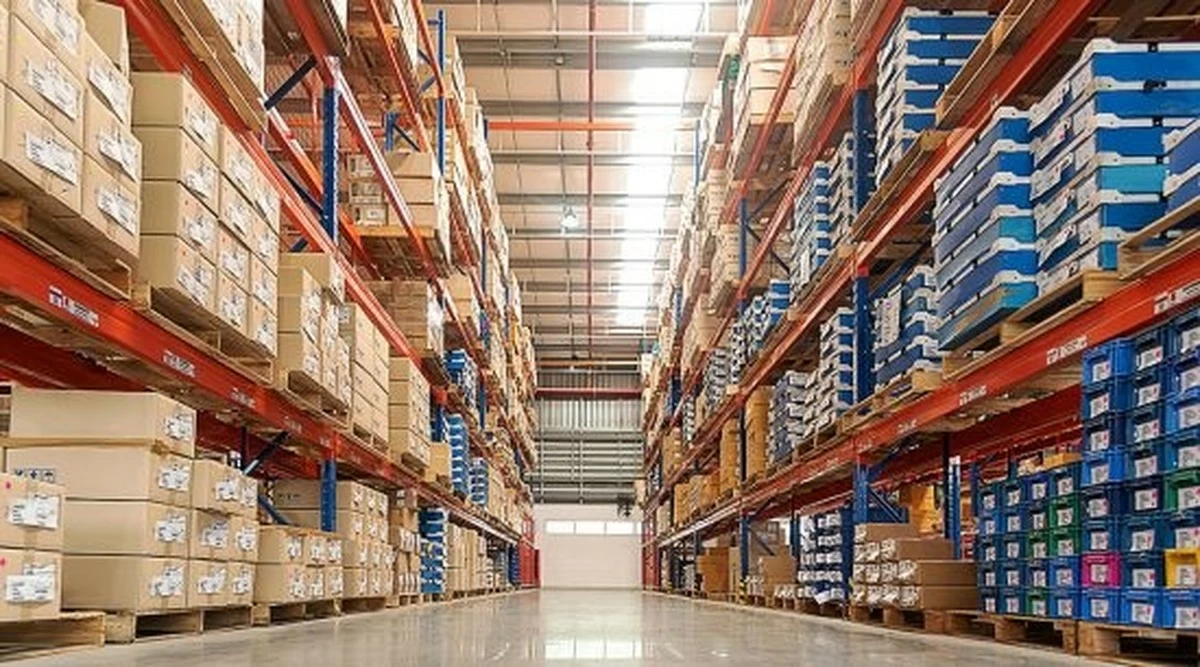

KUWAIT CITY, April 15: Real estate expert Fahad Al-Momen says the warehousing market in Kuwait faces a clear challenge - a shortage of storage space compared to growing demand. He explained that the total current storage area is estimated at approximately 21 square kilometers, which is insufficient to meet actual market needs. This has directly impacted the rise in both the price of storage plots and rental rates.
This severe shortage in supply has led to a doubling in the value of storage plots and rental prices, particularly in Ardiya, since the COVID-19 pandemic. Rental values have also witnessed a significant increase, especially after the Mangaf fire and the subsequent tightening of restrictions on storage in unlicensed locations, such as some investment properties.
Al-Momen stressed that the Cabinet’s decisions regarding the inventory of unused land represent an important step in the right direction, but the market is still awaiting actual implementation. He indicated that introducing new storage areas will contribute to addressing the current bottlenecks and reducing rental values, which will positively impact commodity prices and help stabilize them in the local market, as well as bolster the state’s strategic reserves, especially during times of crisis. Al-Momen stated that addressing the storage crisis requires practical solutions, primarily providing new storage spaces and offering them for investment under a usufruct system, similar to what is implemented in Mina Abdullah, in addition to reorganizing and utilizing existing storage areas.
Regarding the proliferation of unlicensed warehouses, Al-Momen warned of their negative impact on the market, noting that they create unfair competition between those adhering to official safety and security requirements and those operating outside the legal framework. He stressed that the unlicensed warehouses are able to lower their prices due to reduced costs, which harms legitimate businesses.
Al-Momen emphasized that the use of unlicensed storage sites has been the cause of previous fires that claimed innocent lives, due to a lack of regulation and non-compliance with safety standards. Meanwhile, real estate expert Eng. Hussam Al-Koulk said the recent regional developments, particularly geopolitical tensions in the region, have intensified the need to enhance storage capacity in order to improve preparedness and meet market demands, especially with regard to food security and the continuity of supply chains.
Al-Koulk explained in a press statement that current circumstances have reinforced the importance of expanding the construction of standardized warehouses that comply with technical requirements. This prompted the Cabinet to decide to inventory unused land and allocate it to support the warehousing sector. The impact of these decisions will not be immediate, given the nature of the projects, which require timeframes for implementation. This necessitates adopting parallel solutions in the short term to ensure market stability.
Addressing current challenges requires expediting licensing procedures, reactivating unused land plots, and simplifying the regulatory process among relevant authorities. This also includes encouraging investment in modern, multi- use warehouses and classifying warehouses according to their activity. Al-Koulk reiterated that the proliferation of unlicensed warehouses represents a major challenge, given its negative impact on safety standards, distortion of market indicators, and creation of unfair competition. He emphasized that addressing this issue is a fundamental step toward ensuring a healthy and sustainable investment environment. Al-Koulk pointed out that market challenges are not limited to space scarcity, but are more pronounced in the shortage of organized and compliant storage, which has led to a significant increase in rents and greater reliance on informal storage solutions. He noted that the warehousing sector in Kuwait is at a critical juncture, characterized by a clear gap between supply and demand.
Al-Koulk stated that demand is increasingly focused on specialized warehouses, particularly in the areas of food storage, refrigeration, and logistics, given the expansion of commercial activities and the increasing complexity of supply chains. He explained that the recent fire in Mangaf served as a significant indicator of the risks associated with using unsuitable or unlicensed spaces for storage purposes, as well as the importance of adhering to technical requirements and safety standards. The government’s recent decision to tighten restrictions on the use of basements in the investment sector, while important and necessary for regulating the market and enhancing public safety, is not without its drawbacks. Al-Koulk affirmed that the warehousing sector in Kuwait has promising growth opportunities, but achieving balance requires concerted efforts between government agencies and the private sector, with a focus on increasing regulatory supply, enhancing transparency, and raising operational efficiency.
By Marwa Al-Bahrawi Al-Seyassah/Arab Times Staff