



23/12/2025

Share:
23/12/2025
Share:

KUWAIT CITY, Dec 23: A ministerial decision issued today has approved a comprehensive list of health requirements that must be met by private nurseries across the country. The decision clearly defines health-related prohibitions within nursery facilities and regulates staff-related health requirements, including mandatory medical examinations, protocols for dealing with children, and measures to prevent the spread of infectious diseases. These steps aim to enhance the safety and well-being of children in educational and care environments.
The Ministry stated that the adoption of these regulations forms part of broader efforts to strengthen the health prevention system and ensure the provision of a safe and healthy environment for children. The decision aligns with the health standards adopted in the State of Kuwait and seeks to raise the overall level of care provided by private nursery institutions.
According to the Ministry, the importance of the decision lies in its establishment of a comprehensive regulatory framework governing health requirements within private nurseries. It strengthens preventive oversight, enhances health preparedness, and contributes to protecting both children and staff, while ensuring compliance with approved health standards and reducing the risk of infectious disease transmission.
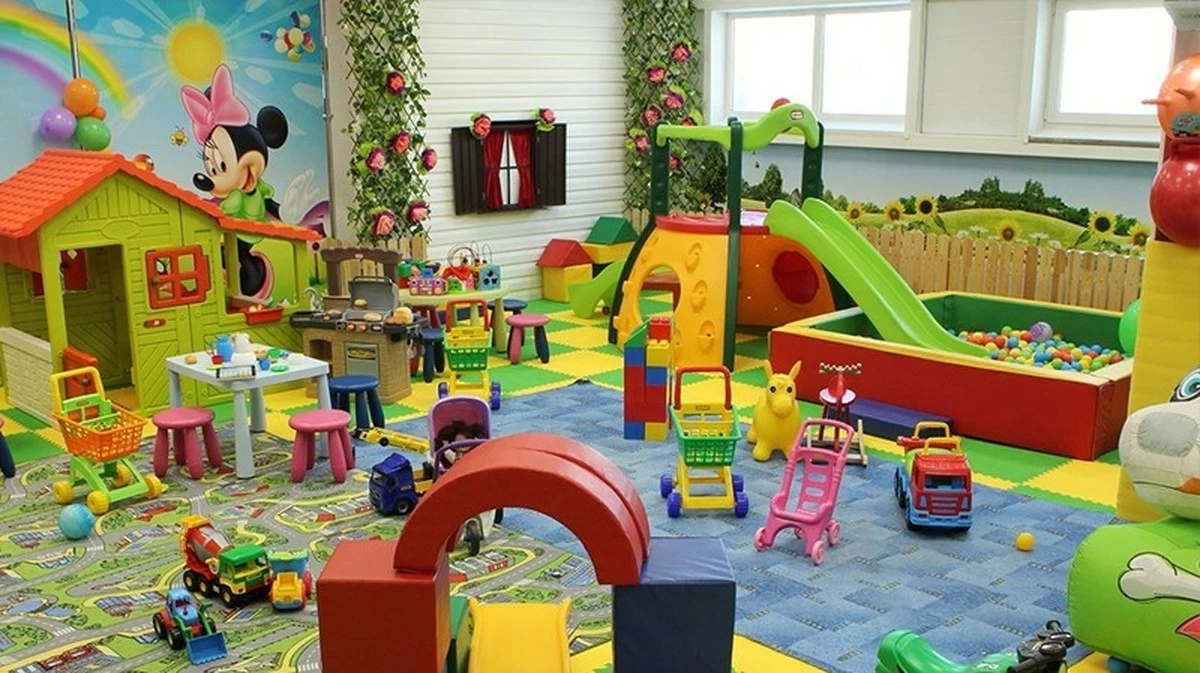
The decision also outlines detailed general requirements related to nursery locations, building design, and equipment. These include specifications for children’s bedrooms, classrooms, play areas, isolation rooms for sick children, dining halls and food preparation areas, restroom facilities, and record-keeping rooms. In addition, the regulations emphasize general hygiene standards, as well as safety and protection measures within nursery premises.
Furthermore, the decision sets out specific requirements for admitting children with special needs, taking into account their health and developmental needs and ensuring the provision of a suitable and secure environment. It also defines mechanisms for health monitoring and enforcement, including regular follow-up, inspections, and the implementation of necessary measures to ensure full compliance with the regulations.