



09/09/2026

Share:
09/09/2026
Share:

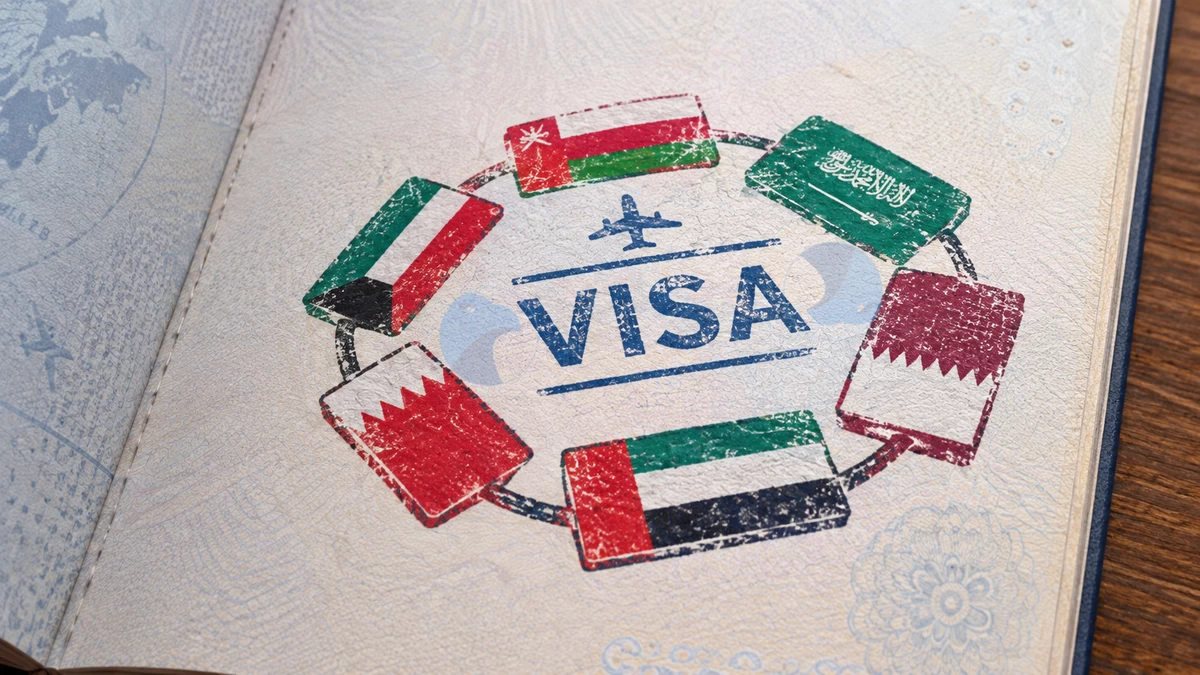
KUWAIT CITY, Sept 9: The Gulf Cooperation Council (GCC) countries are moving towards a pivotal stage in their financial and professional history, with international and regional anticipation surrounding the launch of the unified tourist visa, announced by GCC Secretary-General Jassem Al-Budaiwi. Economic expert Ahmed Al-Khashnam described this step as a major strategic leap that will redraw the region’s investment map and propel Kuwait and the Gulf states towards establishing a global tourism bloc capable of attracting massive foreign capital inflows and achieving comprehensive financial sustainability.
He explained that this step represents the primary driver for accelerating the shift away from the traditional oil-based economy and building the foundations of a sustainable, knowledge-based and service-oriented economy. The project to launch the unified Gulf tourist visa will strengthen the GCC countries’ position as an integrated and interconnected regional and global destination, unify marketing efforts, and attract substantial investment and tourism flows that would not have been possible for each country individually. Kuwait will be among the primary beneficiaries of this structural transformation, given its advanced infrastructure and ambitious development projects aligned with its future economic vision. This new system presents a golden opportunity for Kuwaiti tourism to fully integrate with neighboring markets and capitalize on the influx of visitors to the region.
Kuwait boasts a unique cultural and tourism identity, combining business tourism, shopping, and family-friendly leisure activities, making it a key and attractive hub that allows foreign tourists to move freely between the six Gulf capitals without obstacles. Hotels, resorts, and other hospitality establishments will witness significant increases in annual occupancy rates and growing demand for hospitality services in all levels. National airlines and regional carriers will reap substantial benefits as a result of increased air traffic, the expansion of inter-regional flights, and enhanced air connectivity. The positive impact extends to the heart of the consumer economy, as restaurants, cafes, luxury shopping malls, and traditional markets in Kuwait will benefit from the influx of tourists, thereby increasing overall tourism spending. Al-Khashnam stated that the unified visa will act as an incentive to encourage local and foreign capital to invest sustainably in the hospitality and support services sectors, as well as in developing tourism infrastructure and recreational facilities to meet global standards, thereby contributing to the creation of thousands of jobs.
He stressed that these Gulf government initiatives support the localization of jobs and empower young national talent in innovative fields, aligning with plans to diversify national income sources, reduce reliance on traditional oil revenues, and build a knowledge-based economy. According to the latest reports and indicators issued by the GCC Statistical Center, the total contribution of the travel and tourism sector to the Gulf economy reached approximately $254.7 billion in 2025. The region welcomed a record 75.7 million tourists, with the Gulf countries accounting for 6.9 percent of total global tourism revenues. Gulf tourism recorded annual growth of 7.3 percent, exceeding the global average growth rate of 6.7 percent. Gulf tourists spent approximately $72.7 billion within the GCC countries.
By Najeh Bilal Al-Seyassah/Arab Times Staff