


30/03/2026

Share:
30/03/2026
Share:

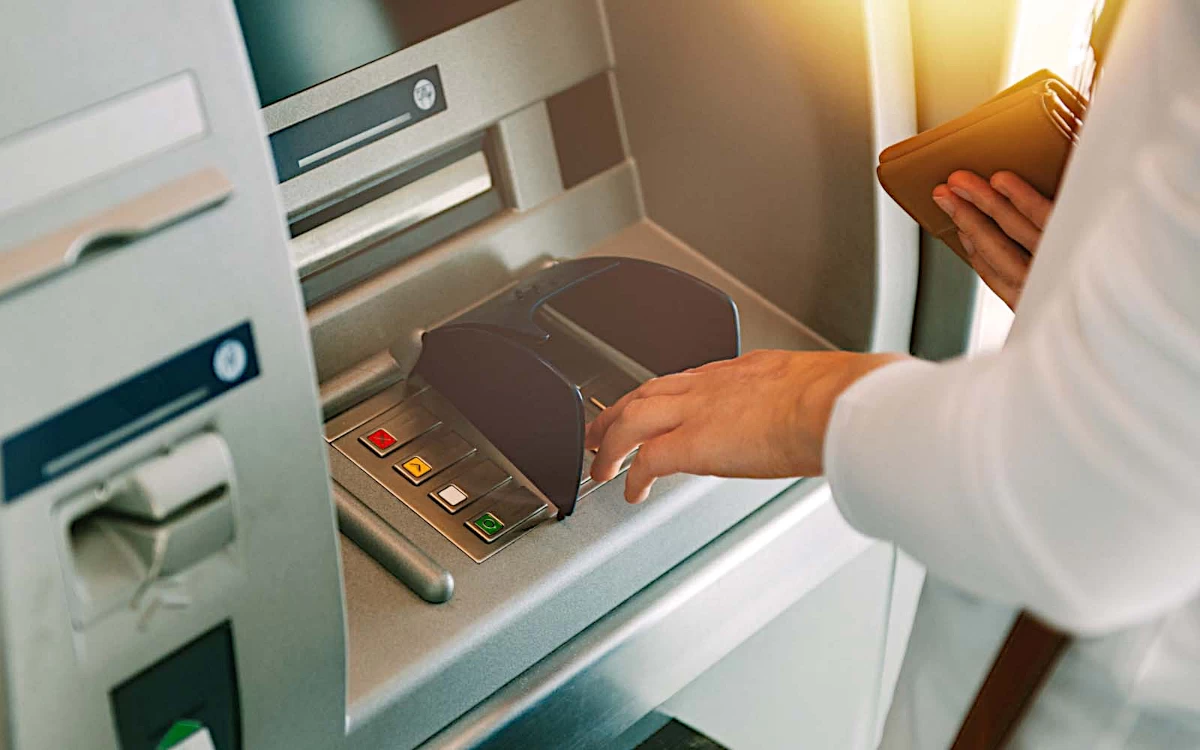
KUWAIT CITY, March 30: In a further indication of the strong liquidity in Kuwaiti banks and the high confidence in the resilience of the local banking system, sources from the banking sector revealed that ATM cash replenishment rates recently exceeded individual customer withdrawal requests.
This indicates stable cash withdrawals despite the impact of the ongoing war between the US and Israel on one side and Iran on the other, as well as the psychological pressures it has created, reports Al-Rai daily. They explained that banking monitoring, which measures cash withdrawal and deposit rates against pre-war averages to ensure liquidity flow, shows that customer ATM withdrawals have remained stable on many days, averaging between KD 150 and KD 200 per transaction, which is the same average as before the war began on February 28. Meanwhile, deposit figures have shown similar stability in both volume and value. Banking data on cash flow in their systems showed a moderate increase in customer demand for cash, particularly at ATMs, at the start of the war. However, this demand remained within acceptable withdrawal limits and did not indicate any cause for concern, as the withdrawals were neither significant nor remarkable. After a few days, the “fear index” decreased, and customer cash withdrawals declined to levels that, on some days, fell below pre-war values and volumes.
The decline in withdrawal rates and amounts applied across all methods, including ATMs, bank branches, and electronic transfers. Deposit levels remained stable across all maturities, from both individuals and companies. Also, money transfers through various banking channels, including electronic methods, stayed within normal limits, with no restrictions beyond standard regulatory requirements and controls. In line with directives from the Central Bank of Kuwait and proactive measures by banks to meet any unusual liquidity demands, driven more by psychological anxieties from the war than by actual cash needs, ATM reserves were increased beyond normal levels. This regulatory measure was intended to accommodate any additional withdrawal requests, which, in practice, have not been fully utilized. Monitoring of customer withdrawals showed stable patterns, with demand even declining on several days compared to pre-war averages. This stability is attributed to customers’ secure financial situations, limited need for cash, reduced spending on non-essential goods, and the near-complete halt of travel and tourism.
The sources explained that the stability of liquidity withdrawals and deposits by individual and corporate clients since the start of the war is reinforced by the high trust placed in Kuwaiti banking systems. This is largely due to the Deposit Guarantee Law, which classifies client funds as high-quality because they are guaranteed by the government. Such a level of security is unique to Kuwait and is not widely available elsewhere, increasing the assurance of clients in the safety of their funds under any pressure.
One indicator of this stability is the low volume of calls to bank customer service departments, which are mostly limited to routine inquiries, such as questions about salary deposits, loan repayments, and other typical banking matters. The sources revealed that the Central Bank continuously monitors liquidity with local bank officials and is prepared to provide any necessary levels of cash. They stressed that, since the beginning of the war, no local bank has requested additional liquidity, which reflects the stability of banking reserves and the calm pace of cash withdrawals.