



30/09/2026

Share:
30/09/2026
Share:

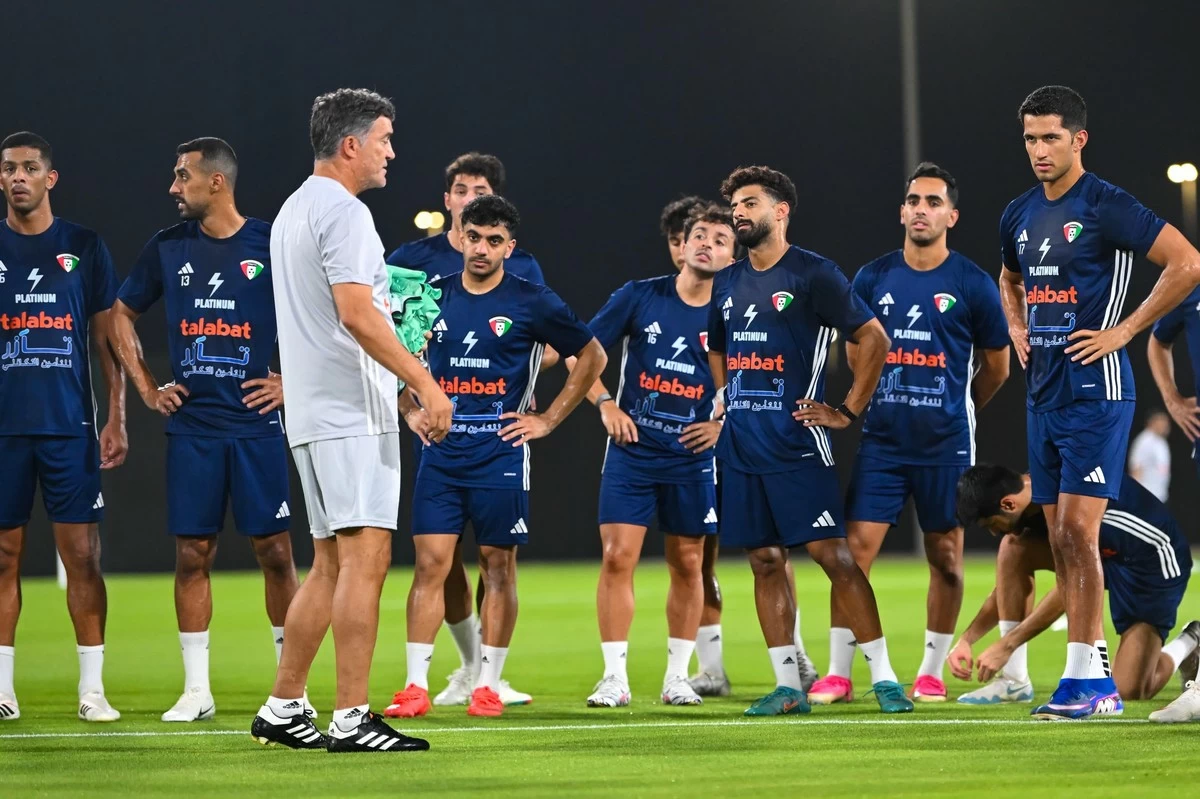
JEDDAH, Sept 30: Kuwait’s senior national football team ended its Gulf Cup campaign with a third successive defeat, losing 3-1 to Oman at Prince Abdullah Al-Faisal Stadium in Jeddah in the final round of Group A.
The result saw the Blues make unwanted history, becoming the first team to exit the Gulf Cup without a single point. That is a disappointing record for the tournament’s most successful side, with 10 titles, including a record four consecutive championships in the first four editions from 1970 to 1976.
Kuwait’s dominance of the Gulf Cup represents a unique legacy and an identity that has shaped the country’s footballing stature since the tournament began. The Blues have always been a presence at the competition, leaving their mark even when they have fallen short of winning the title.
That legacy demands greater effort and a stronger commitment to preserving it. The current squad, however, cannot be accused of failing to compete. Despite three defeats, Kuwait showed encouraging spells and remained competitive in all three games, although its performance dropped significantly after halftime.
Coach Hélio Sousa’s willingness to trust young players and give them opportunities to prove themselves was one of the positives to emerge from the tournament. Several youngsters showed enough potential to make a greater contribution in future competitions, while the team’s overall shape and style were noticeably improved.
Among the players who impressed were Saud Al-Houshan, Yousif Al-Haqan, Khaled Al-Murshid, Jassem Al-Mutair, Abdulaziz Naji, Mohsen Falah, Abdulwahab Al-Awadhi and Nasser Faleh. The next step should be to develop this group further, while adding one or two experienced players to provide guidance, improve cohesion, and strengthen the team physically.
Kuwait faced a demanding group, taking on Saudi Arabia and Iraq, both of whom featured at the most recent World Cup, as well as Oman, ranked more than 50 places above Kuwait. Despite the difference in resources and ranking, Kuwait produced respectable performances.
Ultimately, however, defensive lapses, costly mistakes, loss of concentration, and poor organization in the closing stages proved decisive.
Kuwait also continues to face a considerable gap with its Gulf neighbors in areas such as infrastructure and professionalism. Yet the Blues showed during the tournament that they can still compete and produce quality football in spells.
With Kuwait’s last Gulf Cup title coming in 2010, the focus must now turn to the 2027 Asian Cup in January.
The national team needs technical stability and a clear long-term plan to rebuild its identity and restore the character that once defined Kuwaiti football. The current generation of promising players should be retained, developed, and given the support needed to grow, while the shortcomings exposed in Jeddah must be addressed.
Kuwait’s rich footballing legacy will not be restored overnight. It will require a collective effort, patience, and a sustained commitment to rebuilding the national team and returning the Blues to the podium.
By Khaled Al-Enezi
Al-Seyassah/Arab Times Staff