



09/09/2026

Share:
09/09/2026
Share:
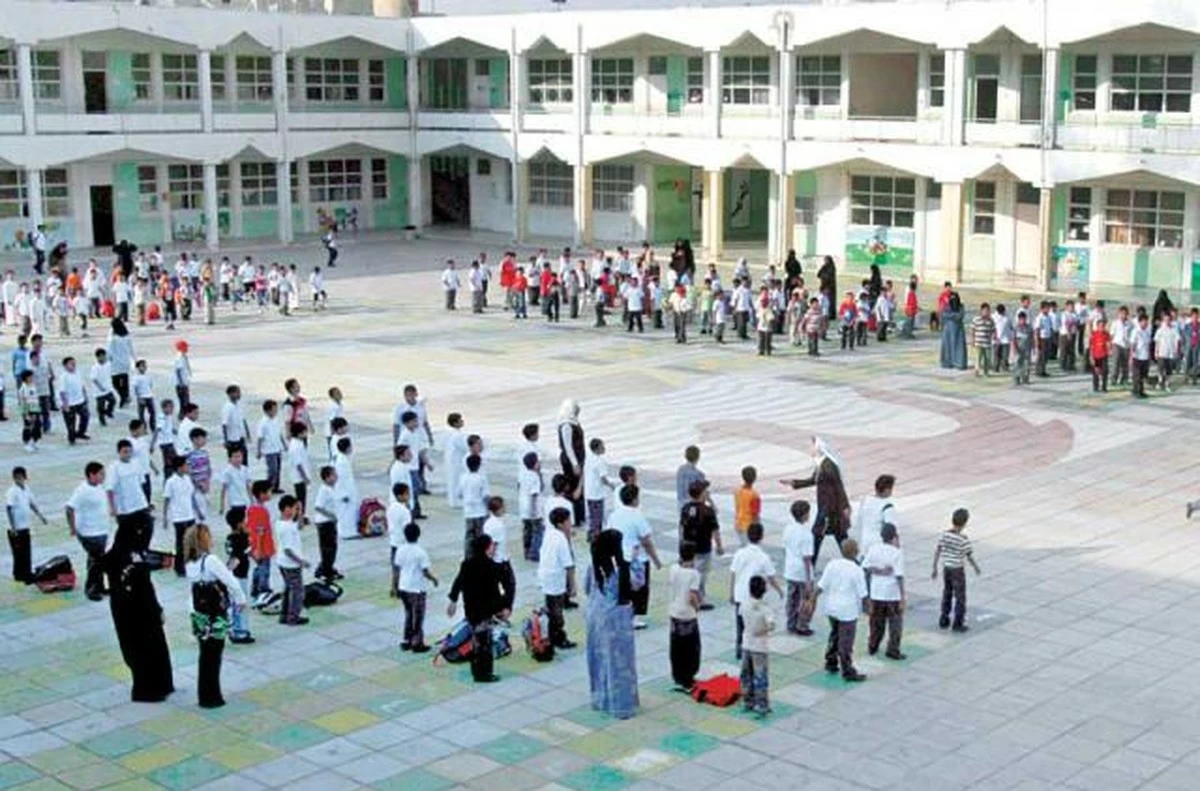

KUWAIT CITY, Sep 9: The Ministry of Education has issued a comprehensive circular introducing strict regulations governing professional conduct, administrative practices and behavior within schools, with an emphasis on maintaining a safe and disciplined educational environment.
Undersecretary of the Ministry of Education Dr. Khaled Al-Rashid issued the circular titled “Regulations and Prohibitions of Work and Behavior within Schools,” outlining a wide range of rules aimed at protecting students and employees, safeguarding public funds and data privacy, and ensuring the proper functioning of schools.
The circular, based on Ministerial Resolution No. 151 of 2026 and other regulations governing education, health and food requirements, gifts and donations, and the code of conduct for government employees, requires all schools, teaching and administrative staff, and other employees to comply with the prescribed controls.
Ban on gifts and commercial activities
The ministry prohibited school employees from collecting money (lotteries) or accepting gifts or donations — whether in cash or in kind — from teachers, administrators, students or parents for any purpose.
It also prohibited the sale, promotion or advertising of goods and services to students or employees, as well as using one's position or school facilities for personal or material gain.
All purchasing, contracting, payment and collection activities must be carried out strictly in accordance with the applicable regulations.
Strict controls on school canteens
The circular also introduced strict requirements for school canteens. Schools are prohibited from selling, distributing or bringing food and beverages from unapproved sources onto school premises.
Canteens must comply with health requirements and regulations issued by the General Authority for Food and Nutrition and the Ministry of Education.
Schools must verify the source and safety of food, proper storage and preservation methods, and compliance with health standards. Daily supervision of canteen operations is also required to ensure the quality and safety of food and beverages.
School administrations must maintain a daily canteen monitoring record documenting any violations, including health-related shortcomings involving workers or products on display.
The ministry also instructed schools to activate canteen contract provisions. Contractors must be warned to rectify violations within a period of no less than three working days, failing which the contract may be terminated in accordance with the applicable regulations.
Prior approval required for events and photography
The Ministry further prohibited schools from organizing events, activities or celebrations involving people from outside the Ministry of Education without prior explicit written approval from the competent authority.
Photography inside school premises is also prohibited without the required prior approval.
Schools may not coordinate with, contract or host external entities, institutions or individuals to conduct activities without authorization. Any approved activities must have clear educational objectives and form part of the school's approved plan.
The ministry also stressed that the school's name or Ministry of Education logo may not be used in publications, advertisements or commercial sponsorships without the necessary official approvals.
Restrictions on social media and student images
The circular imposes strict restrictions on the use of social media by school employees.
Staff are prohibited from exploiting their official positions or speaking about Ministry of Education affairs, particularly by photographing ministry workplaces or employees and publishing such images.
Employees are also prohibited from photographing, recording or publishing students' images or personal data without prior written consent in accordance with regulations. Student images must not be circulated through private accounts or communication groups, linked to personal information, or used for purposes other than those authorized for education.
The ministry also prohibited the disclosure or leaking of confidential school information, documents or data concerning students, parents and employees.
Employees may not issue statements, publish news or content on behalf of the ministry or school, or use official logos in advertisements or personal pages without authorization.
The circular further prohibits the publication of rumors, false information or material deemed offensive to the ministry, schools, students or employees.
Violations may lead to disciplinary action
The ministry warned that organizing an event without the required approvals constitutes an administrative violation and may result in immediate referral to the Legal Affairs Department for investigation and the imposition of prescribed disciplinary penalties.
The circular also emphasizes professional conduct, mutual respect, cooperation among teaching and administrative staff, adherence to official working hours and regulations, and the protection of school property and assets.
Teachers are specifically required to refrain from using mobile phones or smart devices during classes for purposes unrelated to education when such use affects their duties or disrupts classroom activities.
The ministry said it would show no leniency toward conduct that violates regulations or falls outside accepted professional practices, and that appropriate legal and administrative measures would be taken immediately against violations.
School administrations have been instructed to inform all employees of the circular, document that they have reviewed it, and make it available through visible locations and official communication channels.
Administrations are also required to immediately stop violations where safety is at risk, preserve evidence, prepare reports documenting incidents and refer cases through the appropriate administrative channels.
The circular supersedes any conflicting internal instructions and takes effect from the date of its issuance, with the relevant authorities responsible for implementing its provisions within their respective jurisdictions.