


30/04/2026

Share:
30/04/2026
Share:

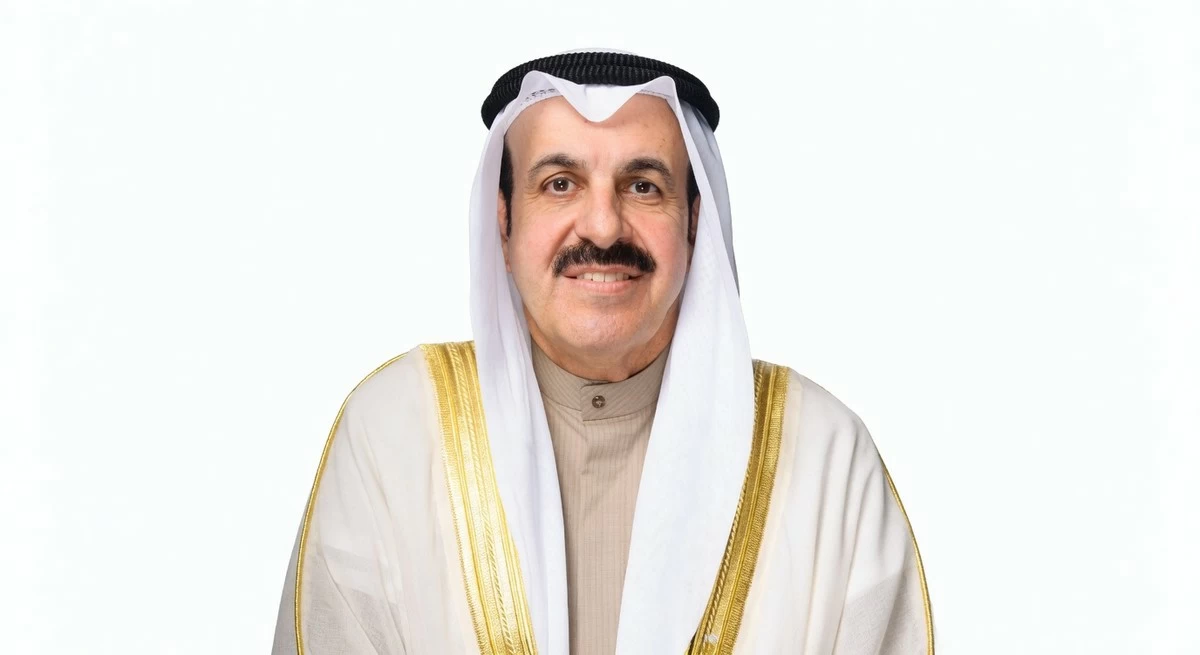
Kuwait Minister of Finance Dr. Yaqoub Al-Refaei
KUWAIT CITY, April 30: Kuwait Minister of Finance Dr. Yaqoub Al-Refaei outlined a roadmap on Thursday to stimulate the economy, enhance financial sustainability, and create greater and more sustainable job opportunities for the national workforce in the private sector. In an interview with Kuwait News Agency (KUNA) , Minister Al-Refaei reviewed the key features of the government’s direction to stimulate the economy. These include increasing the private sector’s contribution to development projects, strengthening partnerships with it, accelerating administrative processes for government projects, supporting infrastructure, and improving efficiency. He noted the recent stimulus measures launched by the Central Bank of Kuwait (CBK) for local banks in light of ongoing geopolitical developments aimed to support the sustainability of the economy and financial stability.
Spending
The Minister also pointed to increased spending on investment due to expanded implementation of strategic projects in construction and development. Al-Refaei attributed the government’s approach to stimulating economic activity to current regional developments and was based on multiple tracks: financial and executive measures that complement the stimulus package introduced by CBK on March 26, 2026, as part of its ongoing monitoring of geopolitical developments, support for continued credit flow to various sectors and boosting economic activity. He explained that the government measures include continuing capital spending directed at development projects, focusing on completing ongoing projects, strengthening partnerships with the private sector and accelerating procedures for government projects. He also pointed to efforts to reform and develop the regulatory framework governing private sector work to enhance its capacity to hire more citizens, expand economic opportunities and new sectors aligned with Kuwait’s labor market output.
The Minister emphasized support for the private sector’s participation in development projects, contributing to sustainable job creation for citizens and increasing the sector’s role in the national economy. He praised CBK’s recent measures, which granted banks greater flexibility in liquidity and capital adequacy requirements. These measures also directed banks and supervised companies to deal positively with customers affected by geopolitical developments by easing financial pressures, including allowing deferral of obligations within approved credit policies, thereby supporting economic sustainability and financial stability. Al-Refaei said CBK’s stimulus package included supervisory instructions and macroprudential tools related to liquidity requirements and capital adequacy ratios, enhancing the resilience of the banking sector, ensuring stability and supporting local economic activity. He noted CBK’s instructions included reducing liquidity standards applied to banks - such as liquidity coverage, net stable funding ratio and supervisory liquidity ratio - raising limits on cumulative gaps in the liquidity system, increasing maximum financing limits and releasing part of the precautionary capital buffers within the capital base.
The Minister also pointed to increased spending on investment due to expanded implementation of strategic projects in construction and development. Al-Refaei attributed the government’s approach to stimulating economic activity to current regional developments and was based on multiple tracks: financial and executive measures that complement the stimulus package introduced by CBK on March 26, 2026, as part of its ongoing monitoring of geopolitical developments, support for continued credit flow to various sectors and boosting economic activity. He explained that the government measures include continuing capital spending directed at development projects, focusing on completing ongoing projects, strengthening partnerships with the private sector and accelerating procedures for government projects. He also pointed to efforts to reform and develop the regulatory framework governing private sector work to enhance its capacity to hire more citizens, expand economic opportunities and new sectors aligned with Kuwait’s labor market output.
The Minister emphasized support for the private sector’s participation in development projects, contributing to sustainable job creation for citizens and increasing the sector’s role in the national economy. He praised CBK’s recent measures, which granted banks greater flexibility in liquidity and capital adequacy requirements. These measures also directed banks and supervised companies to deal positively with customers affected by geopolitical developments by easing financial pressures, including allowing deferral of obligations within approved credit policies, thereby supporting economic sustainability and financial stability. Al-Refaei said CBK’s stimulus package included supervisory instructions and macroprudential tools related to liquidity requirements and capital adequacy ratios, enhancing the resilience of the banking sector, ensuring stability and supporting local economic activity. He noted CBK’s instructions included reducing liquidity standards applied to banks - such as liquidity coverage, net stable funding ratio and supervisory liquidity ratio - raising limits on cumulative gaps in the liquidity system, increasing maximum financing limits and releasing part of the precautionary capital buffers within the capital base.
Instructions
He added that the Financing and Liquidity Law, issued on March 26, 2025, in line with Decree No. 60 of 2025, provides the state with an additional tool to support liquidity and direct resources toward development projects, infrastructure and growth-supporting activities, alongside CBK’s recent measures aimed at enhancing the flexibility of local banking sector and its capacity to finance economic activity while maintaining financial stability.
The Minister said the increase in investment spending in the current budget was due to expanded implementation of strategic construction and development projects. These include Mubarak Al-Kabeer Port, the expansion of the Umm Al-Haiman wastewater treatment plant, the Kabd North wastewater treatment plant, the expansion of Kuwait International Airport (Terminal 2) and the development of related roads. He added that projects also include the expansion of the State Audit Bureau building, completion of the Kuwait Cancer Center project, major maintenance works for essential contracts, and electricity capacity enhancement projects at Sabbiya power plant using combined cycle systems.
These directions reflect support for infrastructure, improved public service efficiency and enhanced productivity in vital sectors. Regarding financing the current fiscal year (2026-27) budget amid disruptions in oil supplies, he said such situations are handled according to legal frameworks, particularly Law No. 31 of 1978, which allows recourse to the state’s general reserve to cover any deficit. He noted that management of this reserve falls under the Kuwait Investment Authority.
He added that the Financing and Liquidity Law, issued on March 26, 2025, in line with Decree No. 60 of 2025, provides the state with an additional tool to support liquidity and direct resources toward development projects, infrastructure and growth-supporting activities, alongside CBK’s recent measures aimed at enhancing the flexibility of local banking sector and its capacity to finance economic activity while maintaining financial stability.
The Minister said the increase in investment spending in the current budget was due to expanded implementation of strategic construction and development projects. These include Mubarak Al-Kabeer Port, the expansion of the Umm Al-Haiman wastewater treatment plant, the Kabd North wastewater treatment plant, the expansion of Kuwait International Airport (Terminal 2) and the development of related roads. He added that projects also include the expansion of the State Audit Bureau building, completion of the Kuwait Cancer Center project, major maintenance works for essential contracts, and electricity capacity enhancement projects at Sabbiya power plant using combined cycle systems.
These directions reflect support for infrastructure, improved public service efficiency and enhanced productivity in vital sectors. Regarding financing the current fiscal year (2026-27) budget amid disruptions in oil supplies, he said such situations are handled according to legal frameworks, particularly Law No. 31 of 1978, which allows recourse to the state’s general reserve to cover any deficit. He noted that management of this reserve falls under the Kuwait Investment Authority.
Prepared
On whether the current budget continues using the same oil price estimates despite recent volatility, he explained the budget was prepared based on an institutional methodology approved by the Supreme Budget Committee under Ministerial Resolution No. 71 of 2016, using conservative estimates that account for oil market fluctuations, ensuring financial sustainability and stable financial planning, taking into consideration short-term changes. He stated that adjusting budget estimates during the fiscal year was subject to legal and procedural controls, making continued use of approved estimates the most efficient administrative and financial option, while allowing flexibility to address developments through public finance management tools. He added that any differences resulting from changes in oil prices or production levels were addressed in the state’s final statements, determining whether there was a surplus or deficit compared to projections, reflecting actual oil revenue performance during the fiscal year.
Regarding the Deposit Guarantee Law for local banks, the Minister affirmed that Law No. 30 of 2008 was a key pillar supporting financial stability. It enhances confidence in the banking system and reduces the risk of deposit withdrawals during crises, especially in light of global financial crises that may weaken depositor confidence in banks’ ability to meet obligations. The draft state budget for fiscal year 2026-27 includes estimated revenues of 16.3 billion Kuwaiti dinars (approximately USD 53.1 billion), expenditures of KD 26.1 billion (about USD 85 billion), an expected deficit of KD 9.8 billion (around USD 31.9 billion), and capital KD spending of 3.1 billion (about USD 10.1 billion). (KUNA)
On whether the current budget continues using the same oil price estimates despite recent volatility, he explained the budget was prepared based on an institutional methodology approved by the Supreme Budget Committee under Ministerial Resolution No. 71 of 2016, using conservative estimates that account for oil market fluctuations, ensuring financial sustainability and stable financial planning, taking into consideration short-term changes. He stated that adjusting budget estimates during the fiscal year was subject to legal and procedural controls, making continued use of approved estimates the most efficient administrative and financial option, while allowing flexibility to address developments through public finance management tools. He added that any differences resulting from changes in oil prices or production levels were addressed in the state’s final statements, determining whether there was a surplus or deficit compared to projections, reflecting actual oil revenue performance during the fiscal year.
Regarding the Deposit Guarantee Law for local banks, the Minister affirmed that Law No. 30 of 2008 was a key pillar supporting financial stability. It enhances confidence in the banking system and reduces the risk of deposit withdrawals during crises, especially in light of global financial crises that may weaken depositor confidence in banks’ ability to meet obligations. The draft state budget for fiscal year 2026-27 includes estimated revenues of 16.3 billion Kuwaiti dinars (approximately USD 53.1 billion), expenditures of KD 26.1 billion (about USD 85 billion), an expected deficit of KD 9.8 billion (around USD 31.9 billion), and capital KD spending of 3.1 billion (about USD 10.1 billion). (KUNA)