
Article

Saturday, January 17, 2026
 
search-icon

Kuwait residential land drops as investment property soars

publish time

17/01/2026

publish time

17/01/2026

Kuwait residential land drops as investment property soars

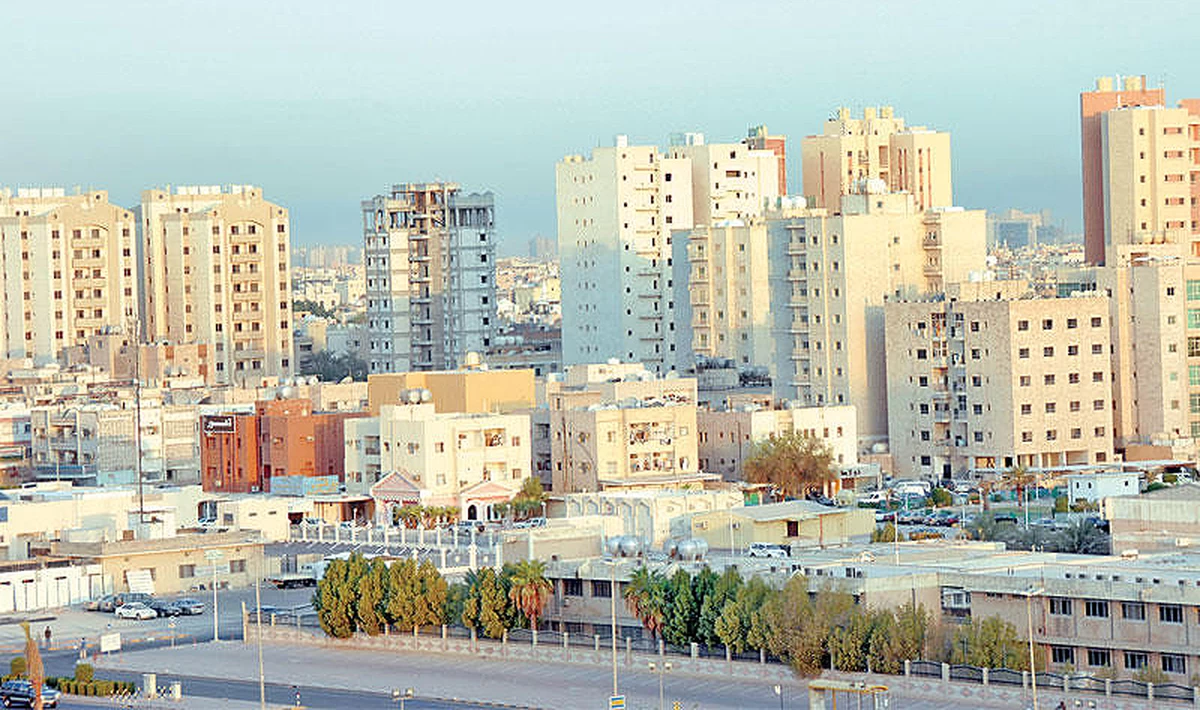
KUWAIT CITY, Jan 17: The annual real estate report from the “Al-Hasba” real estate platform for the fourth quarter of 2025 revealed a significant disparity in the estimated market value of vacant land of different types in the country’s six governorates. This variation is attributed to legislative and economic changes that have reshaped demand and investment patterns in the Kuwaiti real estate market. The report indicated an average increase of 15.2 percent in the estimated market value of investment properties and 7.4 percent for commercial properties, while the estimated value of residential properties, particularly vacant land, declined by 7.2 percent compared to the fourth quarter of 2024. According to the report, the estimated values of vacant land were determined using a comparative methodology based on similar properties in the same area, with adjustments made according to the specific characteristics of each property to ensure accurate valuation and fair comparison.

Vacant residential land declined in value in all six governorates, with decreases ranging from 5.4 to 11.8 percent. Hawally Governorate experienced the steepest drop at 11.8 percent in 13 areas, followed by Jahra at 6.9 percent, the Capital Governorate at 6.7 percent, Mubarak Al-Kabeer at 6.6 percent, Farwaniya at 5.9 percent, and Ahmadi at 5.4 percent. This trend reflects the impact of new real estate legislation, particularly the law against the monopolization of vacant land, in curbing the rise of residential land prices during 2025. On the other hand, investment properties continued to record strong gains.

Mubarak Al-Kabeer Governorate recorded the highest growth in the estimated market value of investment land at 21 percent in four areas, followed by Jahra at 19.5 percent, Farwaniya at 16.3 percent, and Hawally and Ahmadi at 12 percent each. The capital city recorded growth of 7.5 percent, which reflects the continued attractiveness of the investment sector, driven by rising demand and shifting investor sentiment amid ongoing regulatory changes in the market. Commercial real estate maintained its appeal as a store of value, with the estimated market value of vacant land increasing by an average of 7.4 percent. The Capital Governorate led the growth at 19.5 percent in five areas, followed by Hawally at 6.2 percent, Farwaniya at 4.7 percent, Jahra at 3.5 percent, and Ahmadi at 3.4 percent. The report highlighted that the approved building ratios include the total permitted areas in accordance with regulatory requirements for commercial buildings both within and outside Kuwait City.

Regarding craft and industrial real estate, estimated market values showed huge variations both between governorates and within the same governorate. The Capital and Ahmadi governorates saw decreases of 8.5 percent and 7.5 percent, respectively, while Mubarak Al-Kabeer recorded increases of up to 14 percent in some areas, compared to decreases of 5.5 percent in others. The report clarified that the valuation of usufruct rights does not necessarily reflect recent transactions due to regulatory restrictions on transfers and the absence of an active trading market during certain periods. As a result, their valuation is subject to different assessment criteria that are not covered in this report
By Marwa Al-Bahrawi Al-Seyassah/Arab Times Staff