



03/05/2026

Share:
03/05/2026
Share:

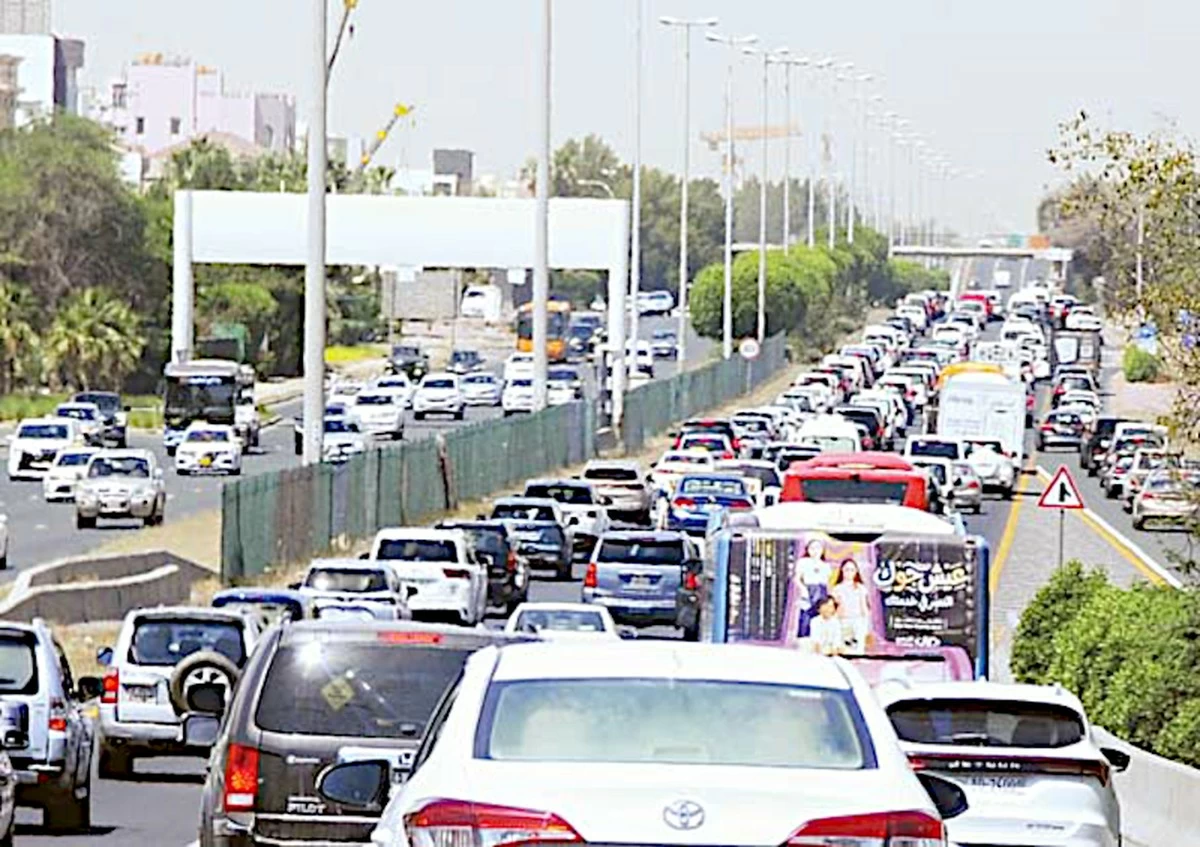
KUWAIT CITY, May 3: Government offices in the Ministries Complex resumed normal operations with 100 percent employee attendance on Sunday – an affirmation of the stabilization of the situation after the exceptional circumstances that the country witnessed for more than two months due to the American-Israeli war against Iran. Work at these offices was dynamic and organized from the early hours, with employees adhering to full attendance and demonstrating complete readiness to process transactions and provide services to the public in a highly efficient manner. A noticeable turnout of visitors was observed in various departments, proving their confidence in operational stability and fast transaction processing, owing to full staff availability.
This reduced waiting times and expedited procedures. No major obstacles were reported on the first day of resumption, as employees adhered to attendance instructions and were committed to providing the best possible service within a stable and organized work environment. The commitment of the employees and remarkable turnout of visitors indicate a general sense of reassurance, as government operations proceed at a normal pace, while enhancing performance efficiency and confirming the readiness of government agencies. Meanwhile, an official source at the Ministry of Social Affairs confirmed 100 percent employee attendance, except those on official holiday, sick leave and other types of leave. In addition, civilian employees at the Ministry of Interior resumed their duties at 100 percent capacity on Sunday, after attendance was reduced to 30 percent during the Iranian aggression against the country.
A security source stated that the return to work is in compliance with the directive of the undersecretary of the ministry, in accordance with the instruction of the Civil Service Commission (CSC) regarding the full resumption of official working hours. The source disclosed that all employees in the ministry reported for work, including the General Traffic Department, the Residency and Nationality Affairs Department, and other departments and agencies. He said this step aims to raise work efficiency, expedite transactions, and provide the best possible services to the public. He added the ministry continues its efforts to develop services and the work environment to guarantee faster service delivery for the benefit of the citizens and residents.
On the other hand, the Ministry of Health stressed that it has been actively involved in dealing with the repercussions of the war. It maintained its full presence and dedicated all its resources to ensuring the continuity of medical services. This was achieved through the tireless efforts of its medical and technical staff, who worked round the clock, proving that the healthcare system is always ready for any emergency and has ability to cope with various circumstances. It announced the resumption of normal operations in emergency departments, operating rooms and outpatient clinics, confirming that appointments are being scheduled.
This is in addition to the expansion of healthcare services in new areas, such as the opening of three primary healthcare centers. In accordance with the instructions of Health Minister Dr. Ahmed Al-Awadhi, one of these centers was converted into a specialized emergency center due to the distance from Jahra Hospital. The ministry affirmed from the beginning of the crisis that operations in all of its facilities have been unaffected. It did not reduce the number of staff during the past period, given the vital nature of its operations as a service provider. Its medical, technical and administrative staff continued to perform their duties with high efficiency to ensure the uninterrupted delivery of healthcare services. Hospitals and health centers maintained their operational readiness, continuing to receive emergency and critical cases, while gradually managing and rescheduling postponed appointments to guarantee the provision of healthcare to patients.
The ministry also intensified its efforts to reduce waiting periods and improve performance efficiency, ensuring coordination among various health sectors. In a related development, high school students resumed in-person classes on Sunday after the two-month suspension, signaling the return to regular education after the shift to remote learning since March 1. School administrations welcomed the students, while taking the necessary measures to ensure smooth school operations and preparing the educational environment to maintain stability and ease the gradual reintegration into the academic routine.
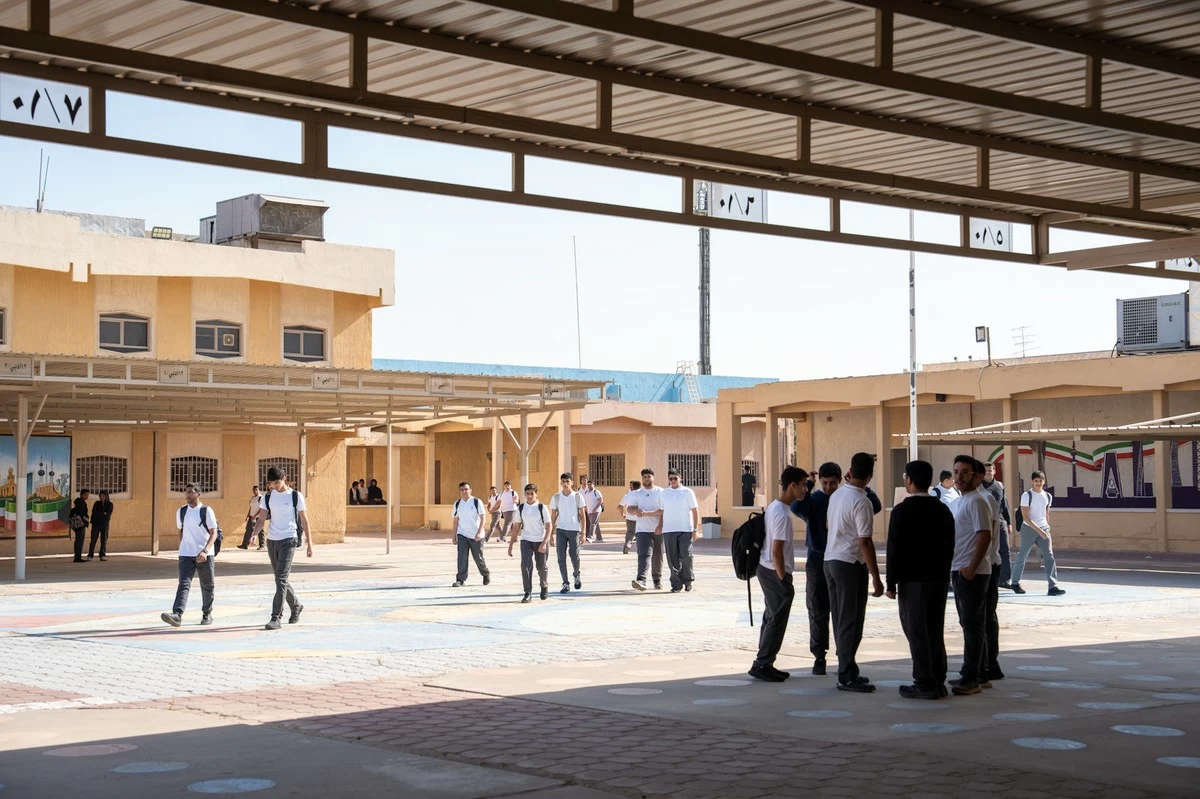
The Ministry of Education previously underscored the importance of complying with school regulations to maintain discipline, focusing on the provision of academic and psychological support for students. Minister of Education Sayyed Jalal Al-Tabtabaei visited several high schools on Sunday to assess the first day of resumption of in-person classes.
In a press statement, the ministry disclosed that Al-Tabtabaei stressed that the resumption of in-person classes is a shared national responsibility requiring cooperation throughout the educational system to guarantee stability and protect the academic progress of students. Al-Tabtabaei pointed out that the decision was taken after the comprehensive assessment to balance safety requirements with the continuity of education, while providing a secure and encouraging environment that supports achievement and readiness for final exams. He revealed that the measures taken include adapting study plans to the remaining academic period, focusing on essential subjects, intensifying review programs, and designing exams that focus on essential skills while easing curriculum load. He added the ministry will maintain flexible learning for other levels, continuing the use of Teams platform for distance learning and make sure the students can follow lessons efficiently under varying conditions. He said efforts focus on accurately assessing essential skills, enhancing attainment, and maintaining stable student performance within a flexible system capable of adapting to developments. He reaffirmed continuous support for the teaching and administrative staff, as well as instilling discipline and ensuring a positive school environment by empowering school administrations and encouraging educational initiatives. He asserted that success depends on the collective commitment and strong school-family partnership, urging students to work diligently and manage their time well, reiterating that the ministry is fully prepared to provide full support for optimal outcomes.
In addition, Security Media Department Director at the Interior Ministry Colonel Othman Al Mansouri confirmed that traffic flow was smooth from the early morning hours on Sunday despite the increased number of vehicles. He attributed this to the intensified presence of security and traffic officers, coinciding with the resumption of in-person classes for secondary school students and the return of all public sector workers. He explained that the security and traffic deployment is included in the comprehensive plan for managing traffic congestion. He confirmed the deployment of a huge number of patrols along the main and secondary roads to implement preventative measures, monitor traffic flow, and ease movement for road users. He added that the ministry prepared intensive awareness programs for different segments of the society, including employees and parents, to promote traffic safety and instill proper driving habits in children. He pointed out that parents complying with traffic regulations set an example in ensuring compliance with the regulations.
He clarified that the increase in traffic after the shift from 30 percent to 100 percent attendance in workplaces is normal, reaffirming the continuous efforts of the ministry and the commitment of its senior officials to monitor developments to guarantee public safety and smooth traffic flow. He urged motorists to abide by the traffic regulations and refrain from using their mobile phones while driving, adding that the emergency number 112 is available to receive reports and handle any emergency. Moreover, the return to normal life proves the resilience of the Kuwaiti society, its ability to overcome challenges and crises with flexibility, discipline and a strong sense of national responsibility.
Daily life has gradually regained its rhythm, with individuals and families resuming routines and continuing productivity in a way that reflects quiet adaptation rather than disruption. This adaptability is a closely connected to the social structure built on family ties, community solidarity and trust in national institutions. Over time, repeated experiences of hardships have reinforced this pattern, fostering a practical way of handling crises. Sociology and Anthropology Professor and acting Director of the Gulf and Arabian Peninsula Center at Kuwait University Dr. Yaqoub Al- Kandari affirmed that the Kuwaiti society has long been shaped by its ability to face crises through unity -- a defining trait from one generation to the other.
By Fares Ghaleb, Marwa Al-Bahrawi and Munif Naif Al-Seyassah/Arab Times Staff and Agencies