


11/01/2026

Share:
11/01/2026
Share:
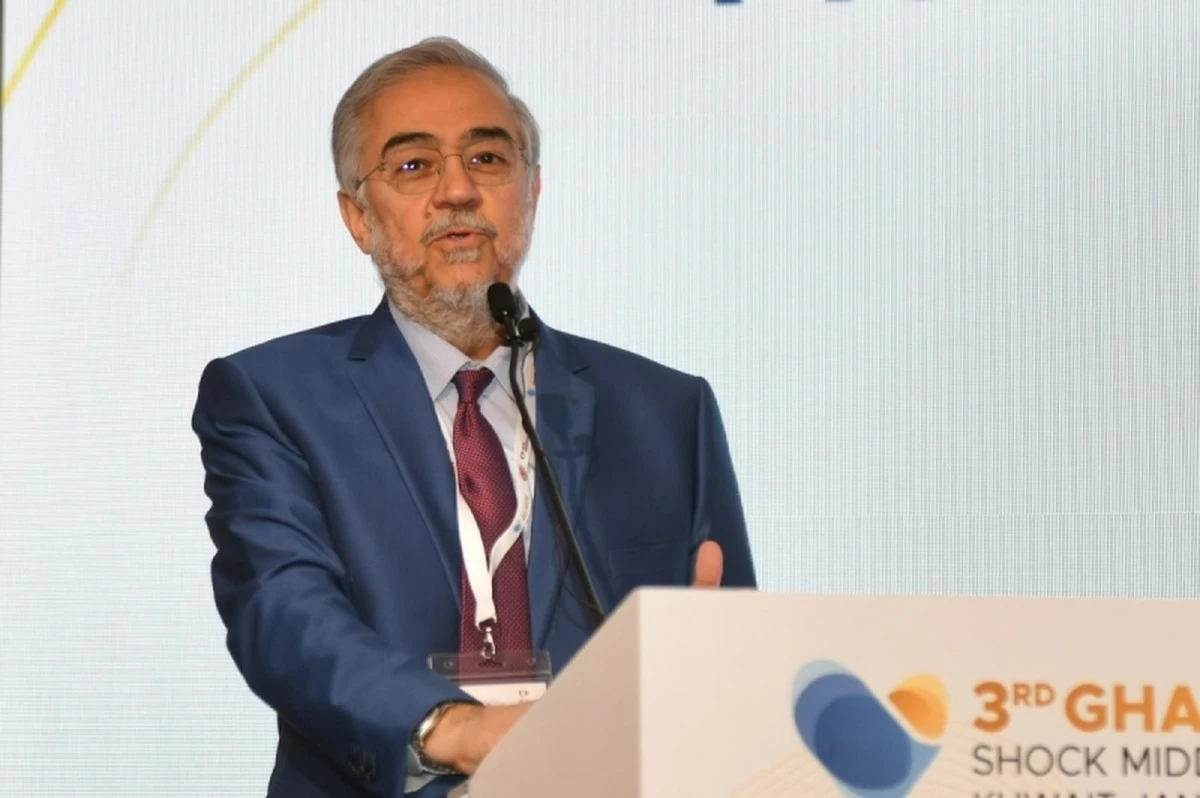

KUWAIT CITY, Jan 11: Cardiogenic shock remains one of the deadliest complications of acute heart attacks, affecting between 3 and 10 percent of patients worldwide and carrying mortality rates of 40 to 50 percent despite major advances in treatment and medical technology, Dr. Mohammed Zubaid said on Saturday.
Dr. Zubaid, President of the Gulf Heart Association and Vice President of the Kuwait Heart Association, made the remarks on the sidelines of the opening of the Third Conference on Cardiovascular Shock, stressing that cardiovascular diseases continue to be the leading cause of death globally, with tens of thousands of cardiogenic shock cases recorded each year.
He said medical records in Gulf countries show that about 4 percent of patients suffering acute heart attacks develop cardiogenic shock, with in-hospital mortality rates reaching nearly 45 percent, underscoring the seriousness of the condition and the scale of the health challenge it poses.
Citing a recent study by the Kuwait Heart Association, Dr. Zubaid noted that more than 300 cases of cardiogenic shock associated with heart attacks were recorded in Kuwait over the course of one year. He said the mortality rate in those cases reached about 50 percent, despite rapid medical intervention and the use of advanced treatment methods, including emergency cardiac catheterization and devices designed to support and stimulate the heart muscle.
Dr. Zubaid emphasized that these figures underscore the critical importance of cardiogenic shock and the urgent need to raise both medical and public awareness, as well as to develop diagnostic and treatment protocols further. He said this explains the significance of holding specialized scientific conferences to review the latest developments and explore ways to improve patient survival rates.
For his part, Dr. Ahmed Al-Kharaza, Consultant of Cardiology and Interventional Catheterization at Al-Dabbous Heart Center, Media Officer for the Conference, Head of the Scientific Training Workshops Committee, and a member of the Conference’s Scientific Committee, said Kuwait’s hosting of the meeting is part of a continuing series of specialized scientific gatherings. He noted that the first edition was held in Dubai in 2024, followed by the second in Riyadh in 2025, and subsequently, the third edition took place in Kuwait.
Dr. Al-Kharaza said the Kuwaiti and Gulf Heart Associations organized the conference in cooperation with the American Society for Cardiac Catheterization and Interventions. He explained that the meeting aims to discuss the latest scientific advances and treatment protocols in the diagnosis and management of cardiogenic shock, and to enhance the exchange of international expertise, contributing to improved health care quality and reduced mortality rates linked to critical cardiac conditions.
Meanwhile, Dr. Fahd Al-Hajri, Consultant of Cardiology and Interventional Catheterization at Mubarak Al-Kabeer Hospital and Head of the Conference’s Scientific Committee, said the program includes specialized workshops and interactive scientific sessions focusing on early diagnosis of cardiogenic shock, advanced hemodynamics, and the use of mechanical circulatory support techniques such as ECMO and Impella.
Dr. Abdullah Ismail, Consultant Cardiologist and Interventional Catheterization Specialist, as well as Head of the Cardiology Department at Mubarak Al-Kabeer Hospital, stated that the conference provides an important platform for exchanging scientific and medical expertise at both regional and international levels, and for strengthening cooperation among medical specialties involved in the care of patients with critical heart diseases.