



01/06/2026

Share:
01/06/2026
Share:

Iranian attacks, Hormuz blockade put world energy at risk: Kuwait envoy
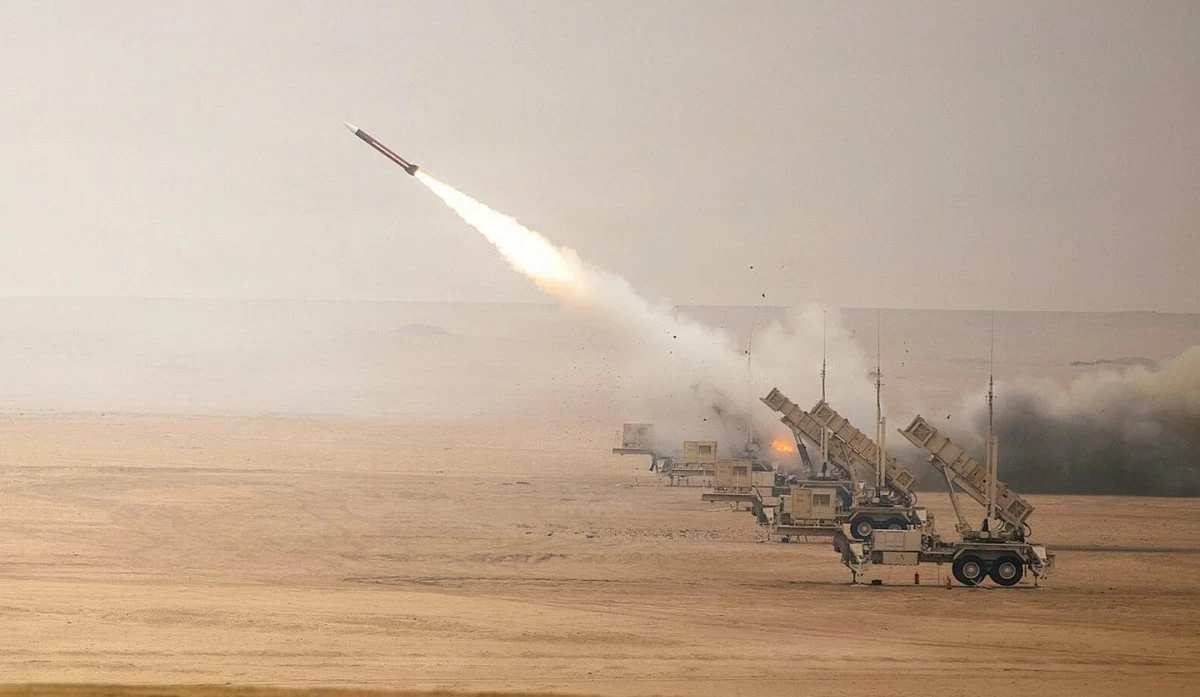
KUWAIT CITY, June 1: Kuwait’s air defenses intercepted hostile drones and missiles early Monday, triggering loud explosions heard across parts of the country, the Army General Staff confirmed, as a wave of regional and international condemnations followed the reported Iranian attacks. The General Staff said the blasts resulted from mid-air interceptions and urged the public to adhere to safety instructions issued by relevant authorities. Kuwait’s Ministry of Foreign Affairs strongly condemned the attacks, describing them as a dangerous escalation and a direct assault on the country’s security and stability.
The ministry said the strikes constitute a blatant violation of international law, the UN Charter, and UN Security Council Resolution 2817 (2026), warning they pose a serious threat to civilians and vital infrastructure. In a statement, the ministry reaffirmed Kuwait’s categorical rejection of such acts and stressed its right to take all necessary measures to defend its territory, holding Iran fully responsible under international law and relevant UN resolutions. It cautioned that continued attacks would undermine de-escalation efforts and threaten broader regional stability.
Regional and international reactions were swift. Saudi Arabia strongly condemned what it described as repeated Iranian attacks against Kuwait, with the Ministry of Foreign Affairs stressing the Kingdom’s categorical rejection of the strikes as a violation of Kuwait’s sovereignty and international law, including the UN Charter. Riyadh warned that such actions undermine efforts to restore regional security and stability, reaffirming full solidarity with Kuwait and support for all measures taken to protect its sovereignty and the safety of its people.
Bahrain denounced the missile and drone attacks as a dangerous escalation and a flagrant violation of Kuwait’s sovereignty, international law, and UN resolutions. It praised the efficiency of Kuwait’s armed forces and air defenses, reaffirming full support for all measures taken to safeguard the country’s security. Qatar also condemned the repeated attacks as a blatant violation of sovereignty and international law, calling for efforts to de-escalate tensions and restore stability, while expressing full solidarity with Kuwait. The United Arab Emirates also condemned the attacks as a clear violation of Kuwait’s sovereignty and expressed full solidarity with the country, backing all measures to safeguard its security. Oman denounced the strikes, rejecting all provocative military actions that threaten state sovereignty and calling for intensified diplomatic efforts to end regional tensions and avoid further escalation.
Gulf Cooperation Council Secretary- General Jasem Al-Budaiwi described the attacks as a serious and irresponsible escalation and a breach of international norms, warning of their direct threat to regional security. He urged the United Nations Security Council to take a firm and deterrent stance, reaffirming that Kuwait’s security is integral to that of all GCC member states. Arab Parliament Speaker Mohammad Al-Yamahi similarly condemned the attacks as a grave violation of international law and a threat to collective Arab security, stressing full solidarity with Kuwait and support for measures to protect its sovereignty and citizens.
The Muslim World League denounced the attacks, with Secretary- General Dr. Mohammad Al-Issa stating they contravene both international law and humanitarian and religious principles, while reaffirming full support for Kuwait. Jordan condemned the strikes as a flagrant breach of international law and a dangerous escalation, reiterating its solidarity with Kuwait and backing its efforts to safeguard national security. Syria also rejected the attacks, describing them as an unacceptable violation of Kuwait’s sovereignty and a destabilizing escalation, and affirmed its support for Kuwait in confronting any threat to its territorial integrity.
Iran’s attacks on Kuwait and other countries in the region, in addition to the blockade of the Strait of Hormuz, constitute a direct threat to the global economy and energy security, said Kuwait’s Permanent Representative to UN and other international organizations in Geneva, Ambassador Nasser Al-Hayen. Speaking to KUNA on the sidelines of the opening of the 114th session of the International Labour Conference in Geneva, Al-Hayen called on the UN Security Council to assume its responsibilities in addressing what he described as Iranian violations on all fronts. He stressed that the sustainability and stability of labor markets and productive sectors in the region are closely linked to safeguarding national sovereignty and confronting security threats. Al-Hayen said current geopolitical tensions require exceptional economic and labor strategies to address potential repercussions on employment systems and the resilience of vital facilities, particularly considering the recent attacks targeting Kuwait’s security and sovereignty, which he said pose a direct threat to regional security and the business and investment climate. He strongly condemned what he described as unjustified hostile acts, calling them a blatant violation of international law and the principles of good neighborliness.
The Kuwaiti envoy said the conference’s convening, with the participation of governments, employers and workers, sends a clear message that development efforts will continue despite attempts to undermine stability and that protecting the business environment becomes even more critical during geopolitical crises. He outlined priorities for the coming period, including developing flexible mechanisms to secure vital and productive facilities, ensuring uninterrupted supply chains and services, strengthening job security systems and establishing emergency plans to protect workers in areas affected by tensions.
Al-Hayen also emphasized the importance of enhancing cooperation and communication between governments, employers and labor unions to reinforce economic and social resilience. He said the current situation requires moving beyond traditional frameworks and adopting exceptional and practical policies commensurate with existing risks, stressing that joint action and economic integration remain essential to preserving development gains and maintaining stable labor markets. He called on the international community to shoulder its responsibilities in protecting regional stability, safeguarding international waterways and ensuring freedom of navigation in the interest of all nations. Al-Hayen warned that continuing crises and conflicts in the Middle East affect not only security conditions but also economic and social circumstances, employment opportunities and living standards. (KUNA)