



26/01/2026

Share:
26/01/2026
Share:


KUWAIT CITY, Jan 26: Kuwait has successfully stopped the active transmission of measles and rubella for 12 consecutive months, Health Minister Dr. Ahmad Al-Awadhi announced Monday, citing a World Health Organization declaration.
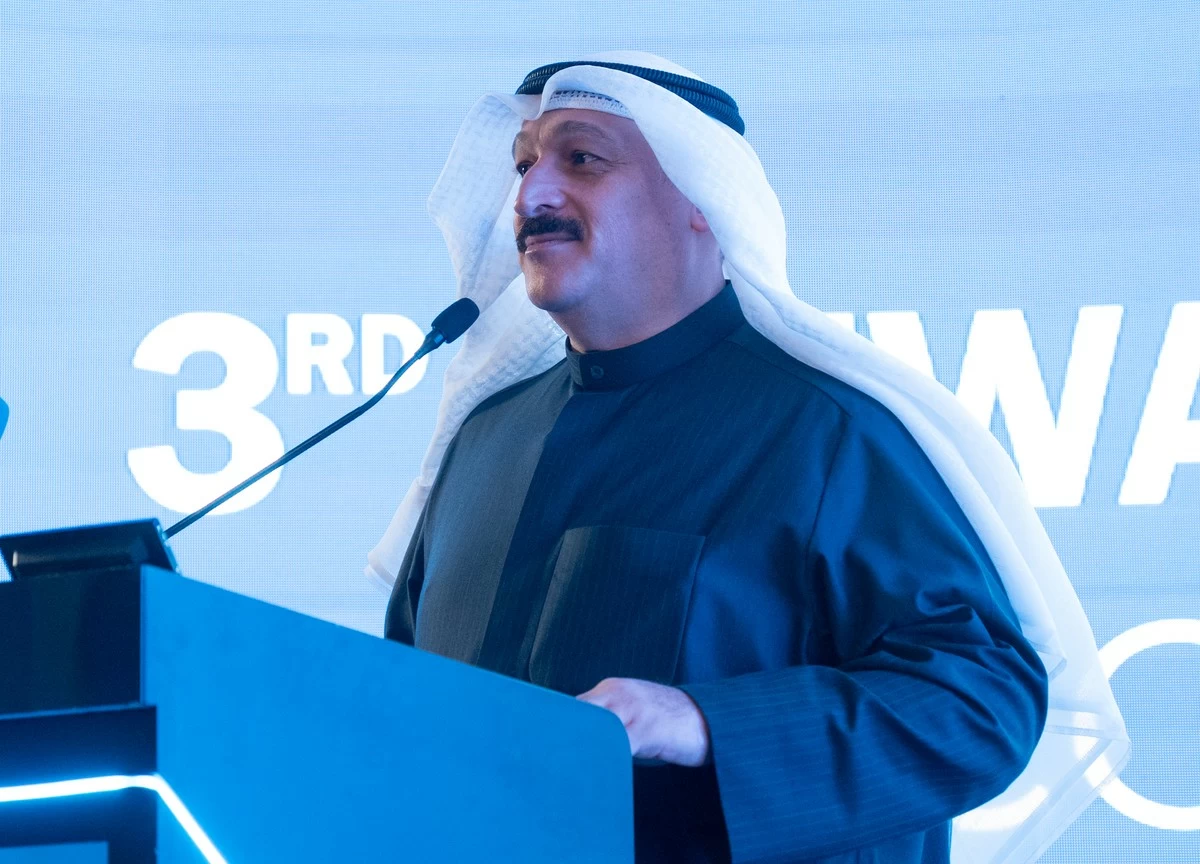
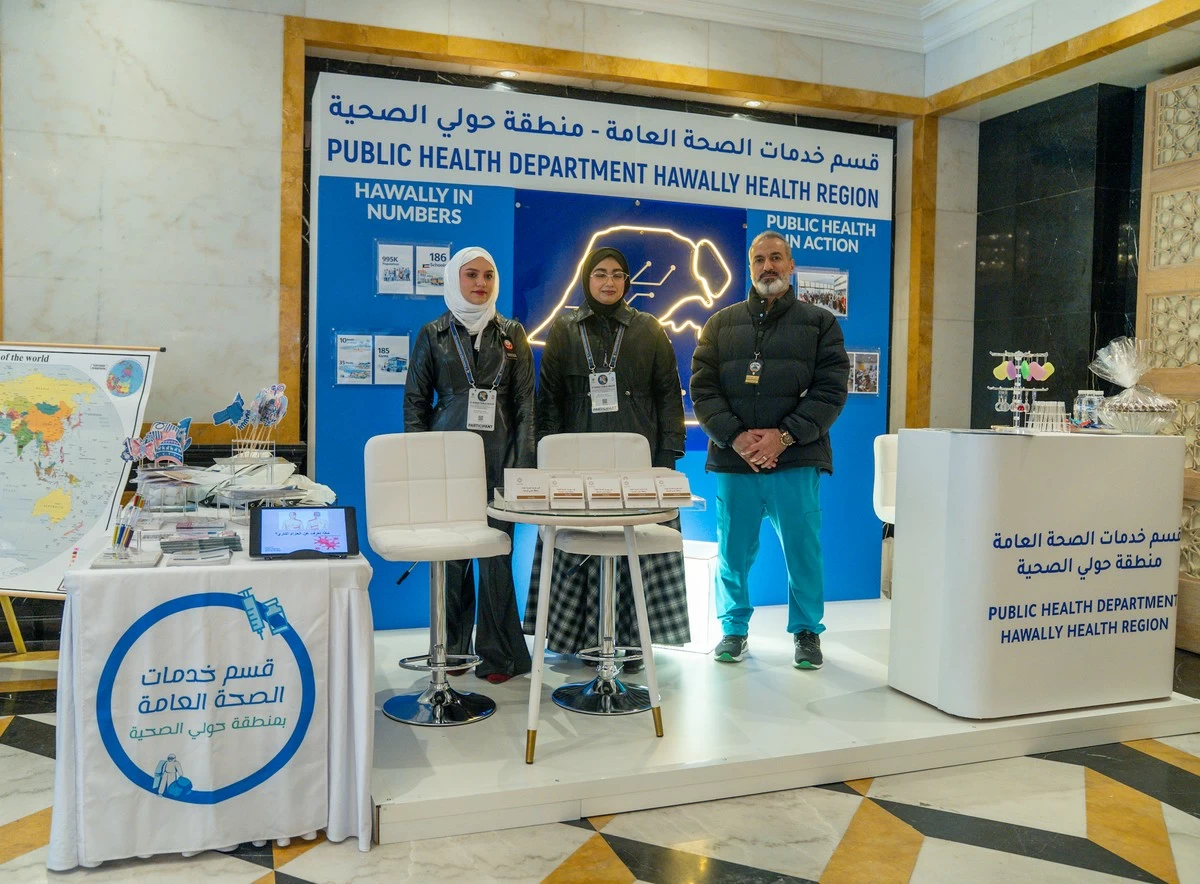
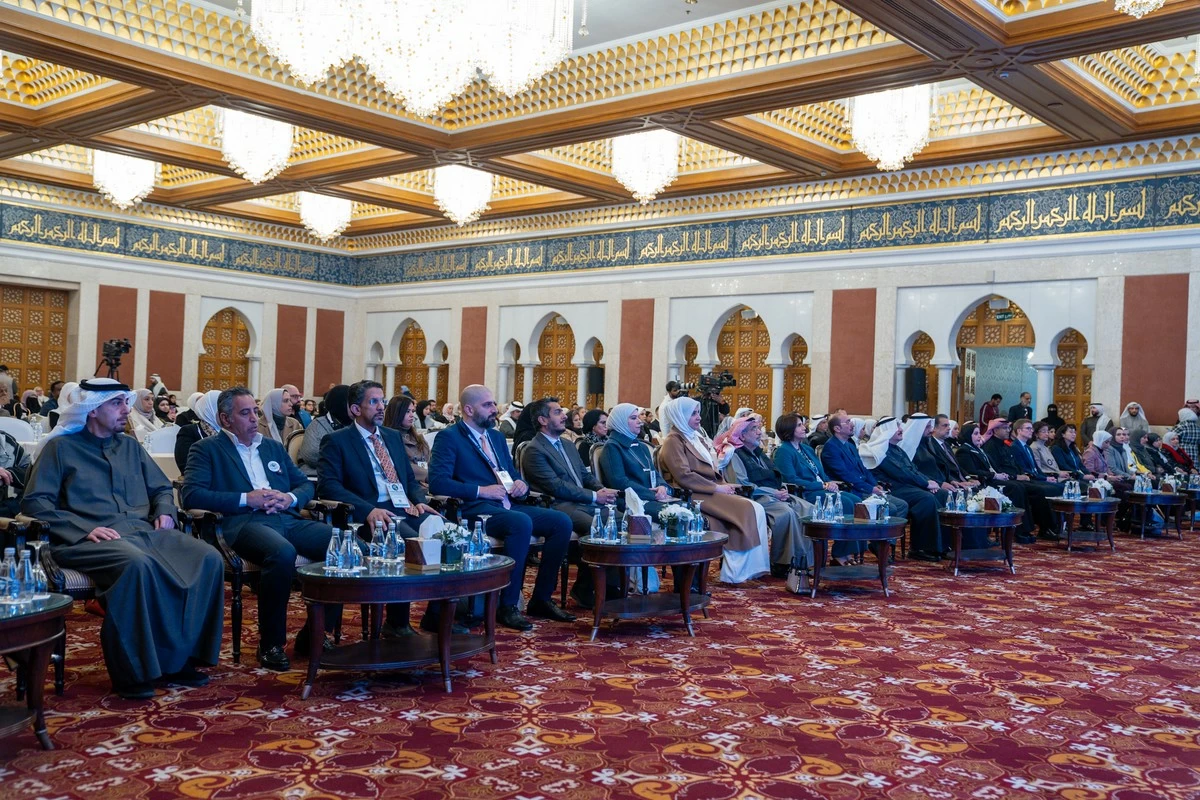
Speaking at the opening of the Third Kuwait Public Health Conference, Dr. Al-Awadhi highlighted the country’s sustained high vaccination coverage and an effective epidemiological surveillance system that has strengthened disease prevention and control.
The Minister noted the expansion of the HPV vaccination program for individuals aged 9 to 45, in line with global cancer prevention guidelines, and the broadening of screening services for early detection of breast, cervical, and other cancers.
As part of efforts to safeguard public health, Kuwait has implemented plans to develop health centers at land, sea, and air borders and expand “Tataman” clinics for counseling and early detection. Annual winter vaccination campaigns and maternal and infant health programs continue to protect vulnerable populations.
Dr. Al-Awadhi also underscored the role of the Infection Prevention and Control Department in enhancing healthcare safety, combating community-acquired infections, and supporting initiatives against antimicrobial resistance, consistent with national and regional action plans.
The Kuwait Center for Disease Prevention and Control remains a key pillar of the public health system, monitoring priorities, conducting training, organizing workshops, and fostering regional and international partnerships, particularly in public health emergency preparedness.
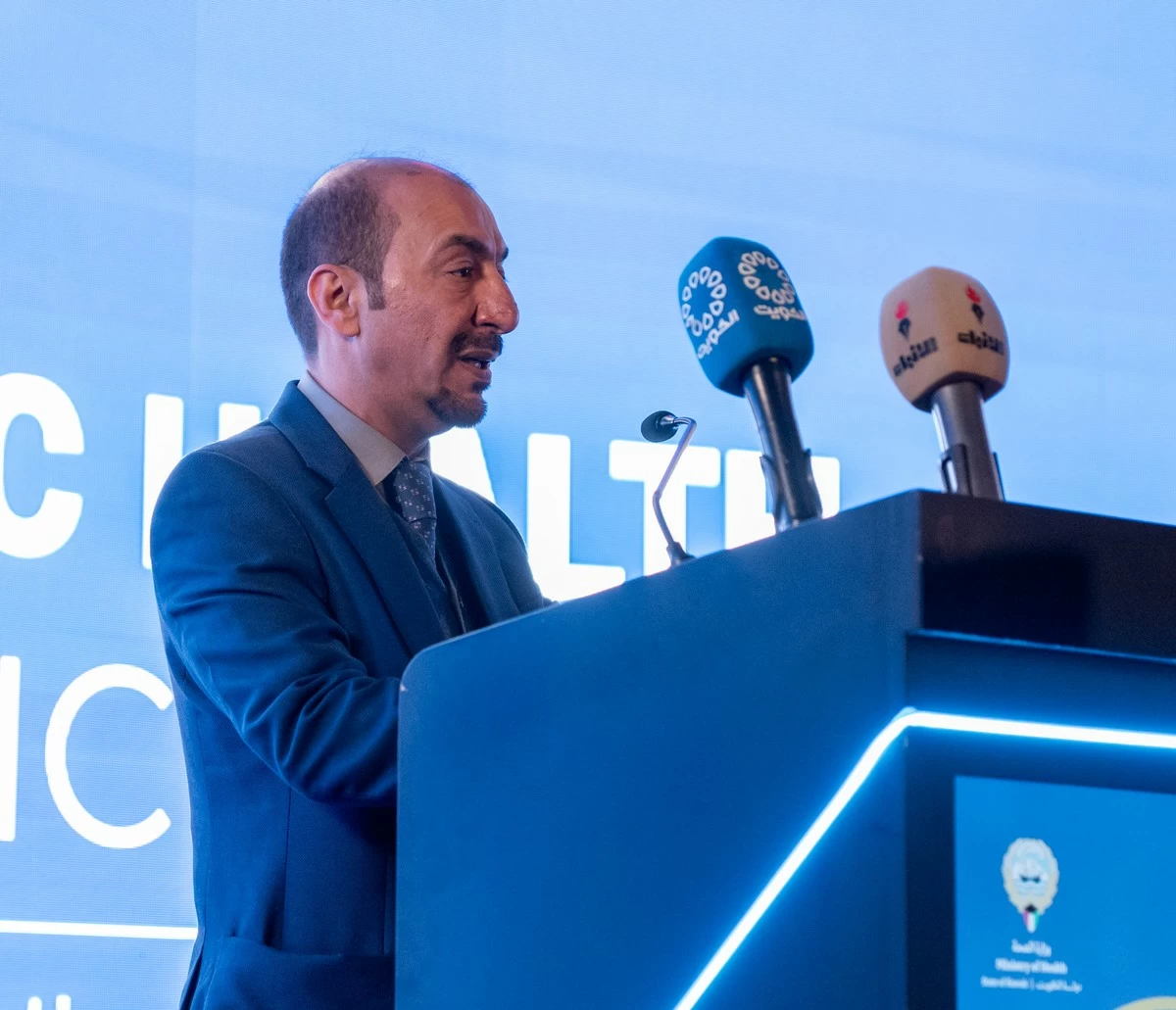
Dr. Hamid Ghloum, Chairman of the Conference Organizing Committee, said the two-day event will review developments in infectious diseases, epidemiology, health surveillance, emergency response, chemical safety, vaccines, and antimicrobial resistance. He added that progress in public health relies on integrated efforts, expertise exchange, and collaboration among health institutions, government bodies, academia, and international partners.
Dr. Ghloum noted Kuwait’s achievements in modernizing disease surveillance systems, building qualified national cadres, and strengthening regional partnerships, including with the Gulf Center for Disease Prevention and Control and other global scientific institutions.