



10/03/2026

Share:
10/03/2026
Share:
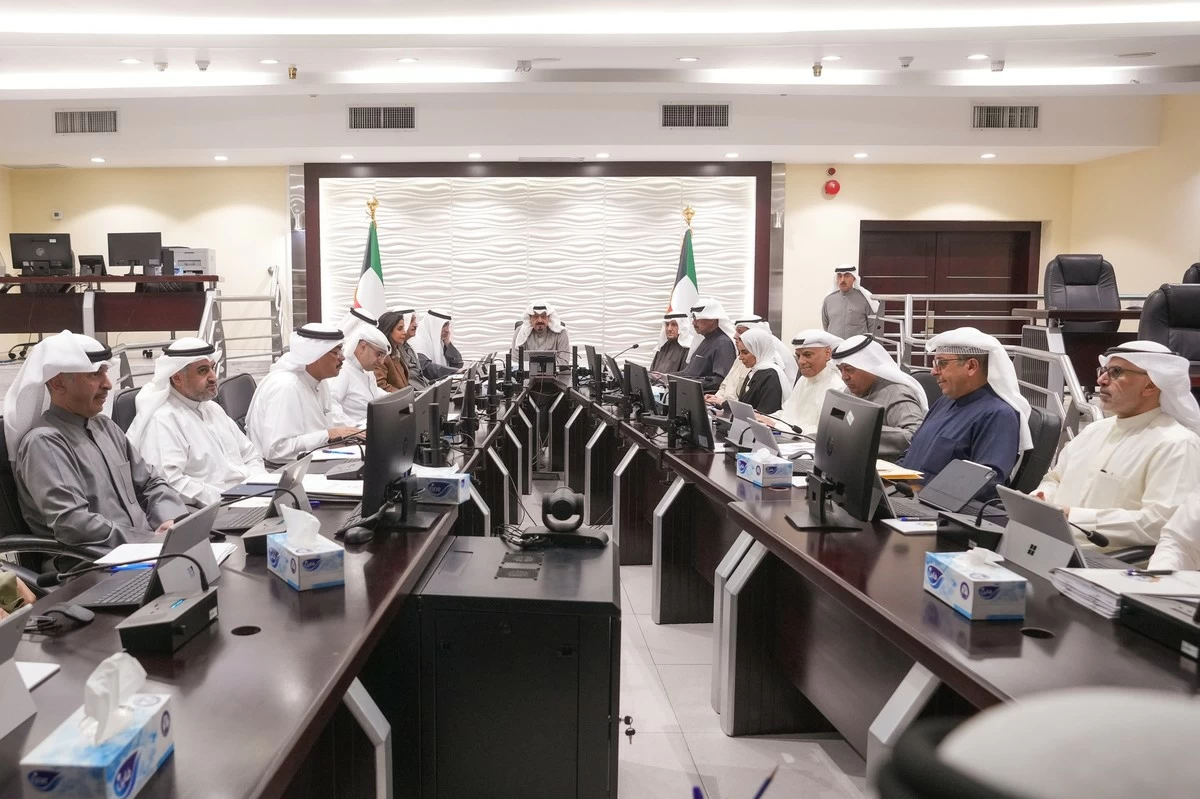

KUWAIT CITY, March 10: Kuwait’s Cabinet on Tuesday praised the address delivered by Sheikh Mishal Al‑Ahmad Al‑Jaber Al‑Sabah, Amir of Kuwait, during the final ten days of the holy month of Ramadan, highlighting his call for national vigilance, unity and confidence in state institutions amid escalating regional tensions.
During its weekly meeting, the Cabinet said the Amir’s speech underscored the need for heightened public awareness as the region experiences rapid developments and unprecedented escalation. The Amir stressed that vigilance is a national duty shared by all citizens to protect society from rumours and attempts to incite division or undermine confidence in state institutions.
The Cabinet noted that the Amir affirmed the country’s security situation is under close monitoring, with military, security and civil agencies working in full coordination and high readiness to safeguard citizens and residents. He also directed authorities to raise preparedness levels, strengthen preventive measures and enhance deployment at vital sites to ensure rapid response to emergencies.
The Amir condemned what he described as a “brutal attack” on Kuwait by Iran, saying ballistic missiles and drones targeted the country’s airspace, civilian facilities and infrastructure, resulting in the martyrdom of members of the armed forces and an innocent child, as well as injuries among citizens and residents. He said the attacks constituted a blatant violation of international law and the principles of good neighbourliness.
Reaffirming Kuwait’s sovereignty as a “red line,” the Amir said the country would not allow any party to compromise its security or stability and stressed that Kuwait retains its right to self-defence under the United Nations Charter. He also called on the international community to condemn the aggression and take decisive steps to uphold international law and regional stability.
The Cabinet also reviewed Kuwait’s participation in a regional summit with the European Union, where Prime Minister Sheikh Ahmad Abdullah Al‑Ahmad Al‑Sabah reiterated Kuwait’s condemnation of Iranian attacks and warned of their implications for global energy markets and maritime security, including key routes such as the Strait of Hormuz and Bab al‑Mandab.
During the summit, Kuwait reported that its armed forces had dealt with 234 ballistic missiles, 423 drones and one cruise missile since the start of the attacks, while reaffirming the country’s right to defend itself and support fellow members of the Gulf Cooperation Council.
The Cabinet also discussed diplomatic efforts led by Foreign Minister Sheikh Jarrah Jaber Al‑Ahmad Al‑Sabah, including summoning Iran’s ambassador to Kuwait and submitting a formal protest over the missile and drone attacks. Officials described the targeting of civilian infrastructure as a serious violation of international humanitarian law.
Separately, the Cabinet welcomed expressions of solidarity from several countries, including calls between Kuwait’s leadership and officials from Jordan, Malaysia and Vietnam, all of whom condemned the attacks and supported Kuwait’s right to protect its sovereignty.
The government also announced arrangements for the upcoming Eid al‑Fitr holiday. If Ramadan lasts 30 days, the holiday will run from March 19 to March 23, with work resuming on March 24. If Ramadan ends after 29 days, the holiday will run from March 19 to March 22, with offices reopening on March 23.
The Cabinet said it remains in permanent session to monitor developments and ensure all government agencies maintain the highest level of readiness to safeguard citizens and residents during the ongoing regional tensions.


