



27/06/2026

Share:
27/06/2026
Share:
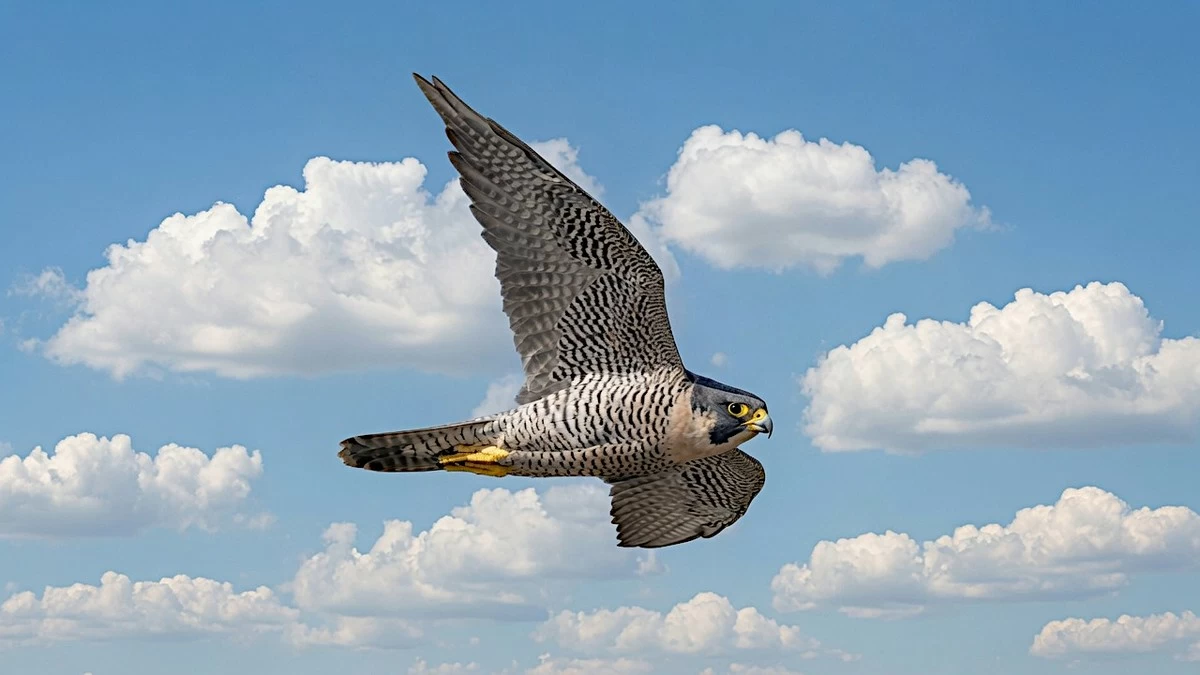

KUWAIT CITY, June 27: The hatching of a peregrine falcon chick is more than just a successful breeding event, as it signaled the beginning of a new chapter in Kuwaiti falconry. After years of research, planning and experimentation, Kuwaiti falconers achieved a milestone by producing the first peregrine falcon in the country through the use of artificial insemination techniques. Falconer Salem Al-Sahloul, one of the founders of the project, explained that the concept of breeding falcons locally started about 10 years ago, after studying the experiences and practices of falcon breeding farms in other Gulf countries and Europe. He said the implementation of artificial insemination techniques in Kuwait began two years ago.
Al-Sahloul disclosed that the first successful peregrine falcon was produced at the Al-Sahliya Center. He expressed optimism about the future of the initiative and indicated that there are plans to expand the project over the coming years, to produce 50 to 60 birds annually. Falconer Fahad Al-Awadhi indicated that falcon production is much more than the breeding process itself, as it requires the careful selection of distinguished bloodlines and genetic traits that meet the expectations of breeders and participants in falconry competitions. He said the project aims to preserve and develop strong falcon breeds through scientifically based breeding practices and long-term development strategies. Al-Awadhi talked about one of the falcons in the project, classified as an ‘Imprinted Parent’.
He explained that this type of falcon is raised from the moment it hatches through a specialized process involving human care and preparation for future breeding purposes. He revealed that the bird was produced from an imprinted female and an imprinted male, each raised under specific conditions and according to distinct breeding methods. He added that the resulting falcon also belongs to the imprinted category. “Raised from hatching through the same specialized approach, this classification makes the bird suitable for future breeding programs and enables its use in mating processes aimed at producing new generations of falcons in the coming years,” he elaborated. He pointed out that the current focus is on the production of peregrine falcons, including efforts to breed gyrfalcons and saker falcons as part of the broad
By Suzanne Nasser Al-Seyassah/Arab Times Staff