


30/06/2026

Share:
30/06/2026
Share:

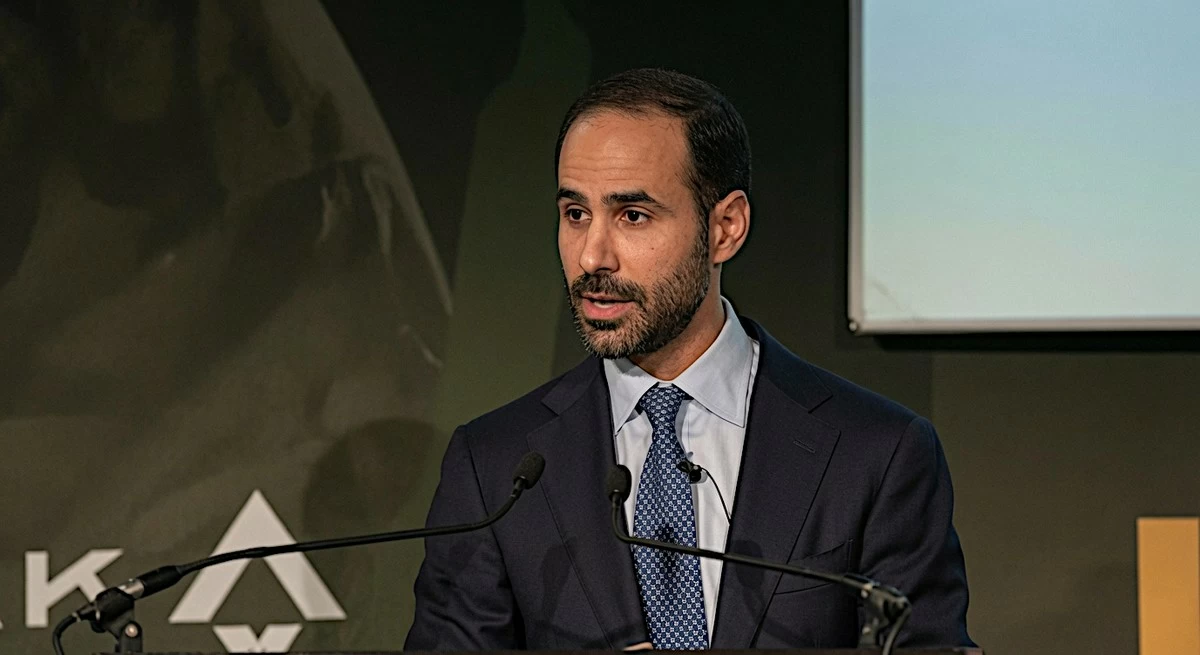
However, he warned that subsequent waves of attacks demonstrated the challenge posed by large-scale missile and drone warfare. “In the first month alone, our forces engaged 354 tactical ballistic missiles and 852 one-way attack salvos designed to overwhelm sensors and exhaust missile supplies,” Al-Sabah said. He identified three key lessons from the conflict, stressing that the scale of modern attacks exceeds what many countries have traditionally prepared for. The first lesson, he said, was the growing imbalance between low-cost drones and expensive defensive missiles. While air defenses may achieve high interception rates, he warned that the long-term industrial cost of maintaining such defenses could become unsustainable. “The tactical scoreboard can say 95 or 98 percent, but the industrial scoreboard quietly says losing,” he said.
The third lesson focused on technology, with Al-Sabah saying the future of missile defense will depend increasingly on software, including artificial intelligence, tracking systems and threat discrimination capabilities. He warned that adversaries are developing increasingly autonomous drones that do not rely on traditional communication signals, reducing the effectiveness of electronic warfare methods. Al-Sabah also linked air defense directly to land warfare, saying military forces without counter-drone capabilities would become vulnerable targets on modern battlefields. He said Iranian attacks targeted not only military assets but also civilian areas and infrastructure, aiming to weaken public confidence in state defenses.
Addressing the current ceasefire, Al-Sabah said the threat has shifted from large missile barrages to smaller, ambiguous drone attacks designed to operate below the threshold of major retaliation while exhausting defenses. He concluded that future security depends on building stronger alliances, expanding weapons reserves and investing in advanced defense technologies. “The ally does not arrive on its own,” he said. “It is the architecture, the magazines, the alliances and the software — the things we are either building now or we are not.”