


05/07/2026

Share:
05/07/2026
Share:
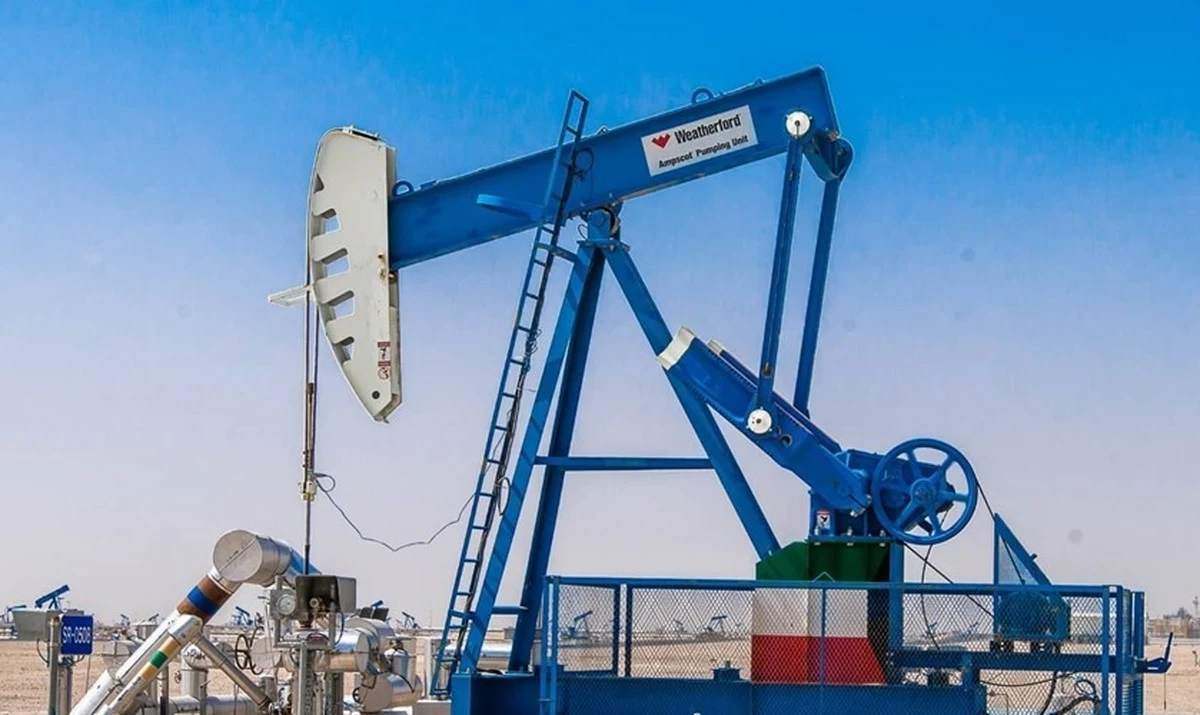

This means that the Kuwaiti oil sector succeeded in restoring a major portion of its production capacity within a short period, despite the ongoing maintenance work and the reactivation of some facilities affected by the conflict. In another sign of operational recovery, Kuwait Oil Company (KOC) announced on June 18 the lifting of all force majeure notices it imposed during the war. New shipments were put out for export the following day, which Reuters considered evidence of the sector’s return to normal operations and the resumption of adherence to export contracts. The recovery extends to restoring confidence in the capability of Kuwait to meet its commitments to Asian markets -- the primary destination for its oil exports. This recovery strengthens Kuwait’s position within the producer alliance at a time markets are gradually shifting from concerns about supply shortages to monitoring the potential for increased global supply. Reuters reported that the US-Iran agreement and the gradual reopening of the Strait of Hormuz marked a turning point in global energy markets after more than three months of disruption.
The war and the closure of the Strait of Hormuz led to a steep rise in crude oil prices, amid growing fears of a prolonged supply shortage. The US-Iranian agreement resulted in a rapid decline in what is known as the ‘geopolitical risk premium’. Estimates from global financial institutions, as reported by Bloomberg, indicated that this increase ranged between $15 and $30 per barrel during the peak of the crisis, then declined significantly as confidence returned to the markets. This was reflected in prices, with Brent crude falling from levels approaching $120 to $126 per barrel during the crisis to less than $74. West Texas Intermediate crude also fell below $70, as markets grew increasingly convinced that Gulf oil flows would gradually return to normal levels. Reuters considers Kuwait the clearest indicator of the recovery of the Gulf oil sector, given that it was the most affected by the disruption of shipping in the Strait of Hormuz.
Kuwait relies almost entirely on the Strait of Hormuz to export its crude oil to global markets, unlike Saudi Arabia and the United Arab Emirates (UAE), which have alternative export routes. Analysts believe that the rapid recovery of Kuwaiti production not only reflects a local development, but also an indication that the entire Gulf energy system is beginning to return to normal operations. This trend is further evidenced by the gradual resumption of shipping traffic through the Strait and the repositioning of tankers in Gulf ports in anticipation of increased exports. Energy companies have restarted production, storage and export facilities, while shipping and insurance companies raised their risk assessments to a more positive level compared to the peak of the crisis. However, the security situation remains under close scrutiny, as per the LSEG data and Bloomberg reports. For Kuwait, these developments not only signify a return to previous production levels, but also mark the beginning of a new phase of operational stability. The oil sector proved its ability to recover a huge portion of its activity within a short period, bolstering global market confidence in the sustainability of Kuwaiti and Gulf supplies in the coming period.