


12/01/2026

Share:
12/01/2026
Share:
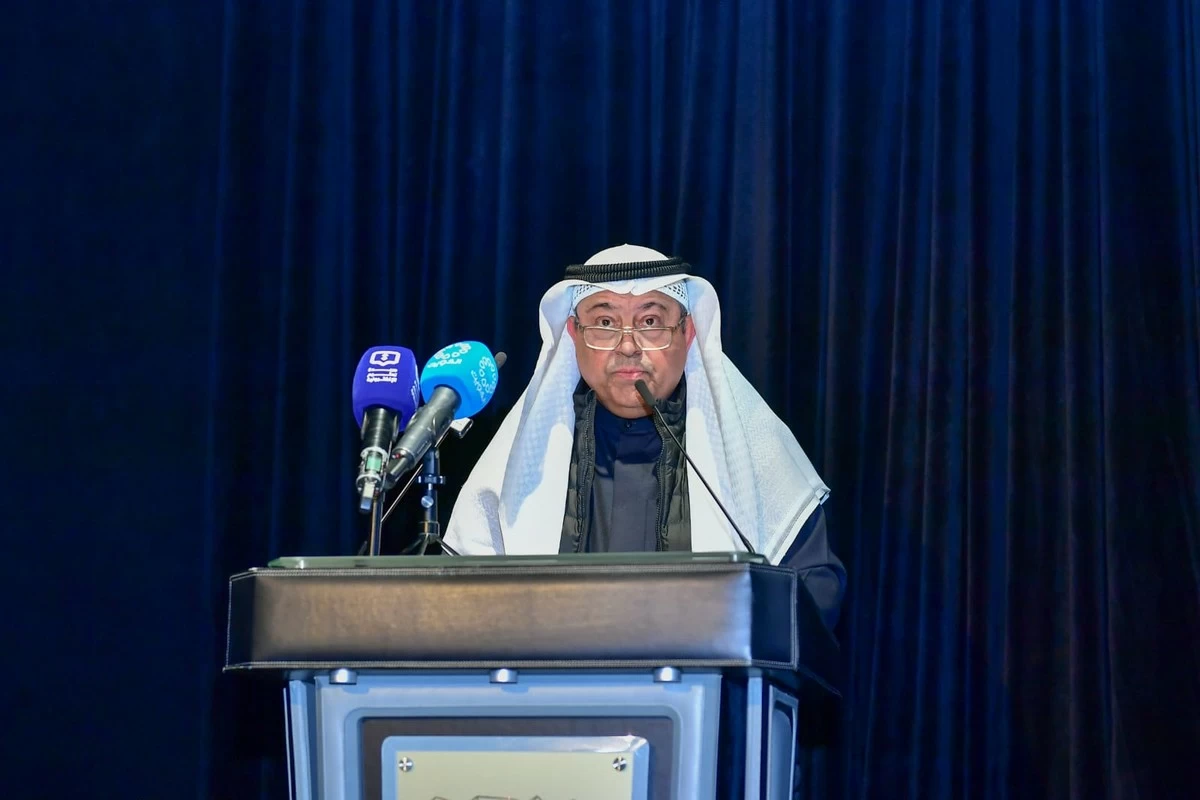

KUWAIT CITY, Jan 12: The Ministry of Oil on Monday launched six digital transformation projects under the “Masar” (Path) initiative, aiming to enhance work efficiency, improve service quality, and build a flexible institutional system, Oil Minister Tariq Al-Roumi said.
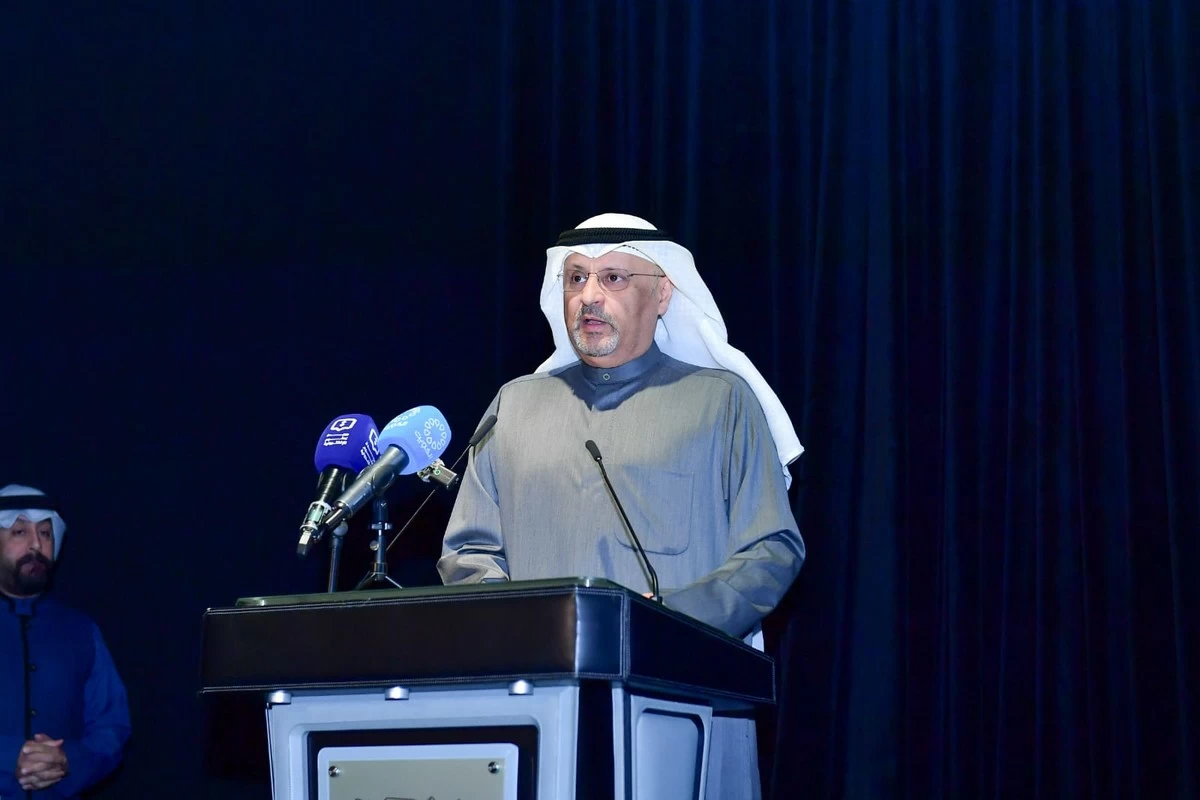
Speaking at a ceremony held at the Sheikh Jaber Al-Ahmad Cultural Center, Al-Roumi said the Ministry’s vision for digital transformation stems from a firm belief that technology is not an end in itself but a tool to strengthen sectoral integration, consolidate governance, and prepare the oil sector for future requirements.
The event was attended by Minister of State for Communications Omar Al-Omar, Undersecretary of the Ministry of Oil Sheikh Dr. Nimer Fahd Al-Malik Al-Sabah, and senior officials from the Ministry of Oil and other government entities.
Al-Roumi noted that the “Masar” initiative reflects a sustainable institutional approach focused on modernizing work methods, re-engineering procedures, integrating data, and linking strategic planning with practical implementation to ensure accurate, transparent, and measurable decision-making. He emphasized the Ministry’s commitment to implementing its digital transformation plan and building national capabilities to support the strategy.
The Minister commended the Central Agency for Information Technology for its role in developing the national digital infrastructure and praised the efforts of ministry staff, technology companies, and the Kuwait Petroleum Corporation (KPC) and its subsidiaries. He described “Masar” as a significant step forward in institutional development and a model aligned with the directives of His Highness the Amir, Sheikh Mishal Al-Ahmad Al-Jaber Al-Sabah, and His Highness the Crown Prince, Sheikh Sabah Khaled Al-Hamad Al-Sabah, with support from the Prime Minister, His Highness Sheikh Ahmad Abdullah Al-Ahmad Al-Sabah.
Minister of State for Communications Omar Al-Omar highlighted the importance of institutional cooperation in successful digital transformation. He said collaboration with the Ministry of Oil aims to achieve integration and establish a secure, advanced digital infrastructure. Al-Omar added that the national cybersecurity strategy, led by the Ministry of Communications, provides strong protection for the oil sector’s vital infrastructure and that efforts are underway to expand capacity building through coordination between the Petroleum Training Center and the National E-Training Platform.
Undersecretary Sheikh Dr. Nimer Fahd Al-Malik Al-Sabah described the launch as a pivotal moment for the Ministry, moving from planning to the implementation of an integrated digital system. He said the “Masar” program solidifies governance, enhances performance efficiency, and links strategic planning with operational execution through an interconnected digital framework.
Sheikh Nimer detailed the six digital projects forming the foundation of the Ministry’s system:
- Strategic Performance Management System (MOS) – Transforms monitoring of plans and programs into interactive digital dashboards for timely decision-making.
- Management of Accounting Decree (MOC) – A unified digital financial system connecting the Ministry with oil companies, enhancing transparency and efficiency.
- Oil Training Center (OTC) System – Integrates training needs with career paths to develop qualified national personnel for sustainable sector growth.
- Ministry of Oil Digital Portal (MOP) – Provides a unified interface for digital services, improving user experience and system integration.
- Well Lifecycle Management (MOW) – Monitors technical operations, petroleum resource regulations, and enhances technical supervision using advanced digital tools.
- Digital Transformation System for Legal Affairs (MOL) – Converts legal procedures from paper-based to electronic, supporting contract management, legal advice, and institutional efficiency.
Sheikh Nimer emphasized that all projects were implemented by national personnel, contributing to re-engineering procedures, improving operational efficiency, and enhancing transparency. He praised Minister Al-Roumi’s leadership for empowering teams, accelerating decision-making, and establishing a robust institutional work approach.
The ceremony also included honoring several partners from supporting organizations involved in the initiative.