


16/06/2026

Share:
16/06/2026
Share:

According to the report, the system proved that strong political determination and effective regional cooperation are vital to overcoming even the most challenging geographical obstacles. It pointed out that a crisis managed with strategic foresight could become an opportunity to build a stronger and more sustainable logistical infrastructure. The report revealed that Kuwait dealt with the crisis through a multi-level emergency plan, which established a new logistical framework based on these pillars -- fully prepared and operational Saudi-Kuwaiti land bridge, organized air bridge capable of functioning under the most difficult conditions, and railway connection between Kuwait and Riyadh.
Emergency customs procedures, which are still under development, were tested in practical field operations and proved highly effective, confirming that this system is a lasting strategic asset for Kuwait rather than a temporary measure to address a short-term crisis. The report also indicated that the infrastructure developed during the crisis, the transportation corridors that were established, and the strengthened regional partnerships will continue to exist and expand once the conflict ends. It stated that the Saudi land bridge served as the foundation of Kuwait’s strategy to overcome geographical challenges by directing imports through Jeddah Port and NEOM Port before transporting them overland across the Arabian Peninsula into Kuwait. Saudi-Kuwaiti cooperation was clearly reflected in the expansion of the Khafji (Nuwaiseeb) border, the most significant gateway along this route, with its capacity increased to 44 lanes to accommodate the growing volume of truck traffic. The Al-Ruqai (Salmi) border near Hafer Al- Batin also played an important role as a secondary gateway for goods moving northward from central Saudi Arabia.
Regarding air transport during the crisis, the report stressed that it evolved from a secondary option into a vital component of the supply chain. The Kuwaiti supply network faced difficult challenges due to operational disruptions at Kuwait International Airport, including temporary closures related to maintenance activities. In response, the relevant authorities presented flexible and innovative solutions to ensure uninterrupted supply flows. Kuwait Airways utilized cargo operations through Dammam Airport in Saudi Arabia and transported shipments by land to Kuwait. Cargo flights were used to deliver fresh food supplies directly to warehouses in the country. The Qaisumah Airport in northern Saudi Arabia emerged as a notable example of innovation during the crisis. Fresh food shipments from abroad were redirected there and immediately transported overland to Kuwait. This approach significantly reduced transit times and helped preserve the quality of chilled food products. The report added that Kuwait General Administration of Customs (KGAC) reorganized procedures at the land borders to process airlifted shipments with the same efficiency and speed typically associated with airport operations, effectively bypassing conventional land-border processing methods.
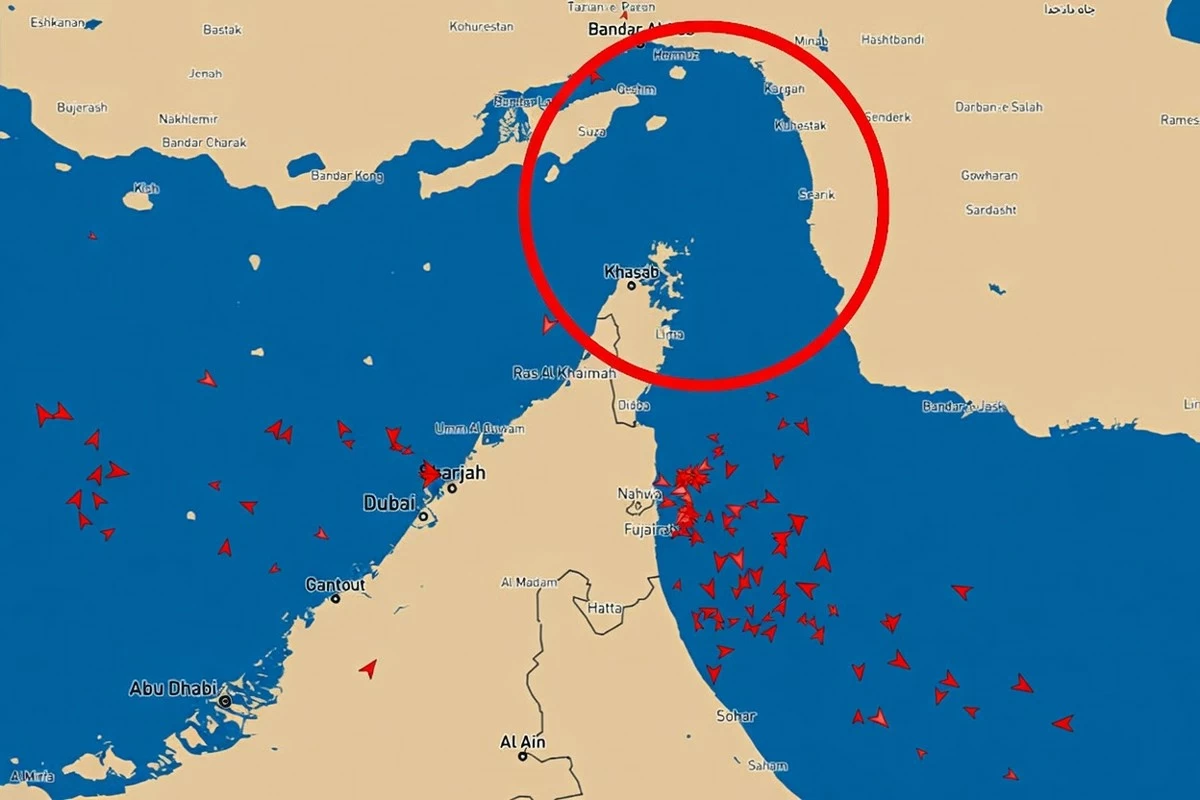
The airlift operation was carefully managed according to actual needs, with nearly all chilled poultry products, dairy items and fresh produce arriving by air or through combined truck-andaircraft transportation methods. Moreover, essential spare parts for power generation facilities and other vital infrastructure were imported. Desalination operations were maintained to prevent the interruption of essential public services. Electronics and clothing imports increased by 15 to 20 percent in air freight allocations despite the substantial rise in transportation costs. Regarding the contributions of the United Arab Emirates (UAE) and Oman, the report disclosed that these two countries activated eastern bypass routes, transforming ports located outside the Strait of Hormuz into major gateways for regional trade. The Port of Sohar on the Gulf of Oman recorded a remarkable increase in logistical activity, with containers transported overland into the UAE before being distributed through the Gulf road network to Bahrain, Qatar and Kuwait, while the Port of Fujairah and Khor Fakkan Port on the eastern coast in Sharjah experienced a noticeable surge in shipping traffic.