



17/09/2026

Share:
17/09/2026
Share:
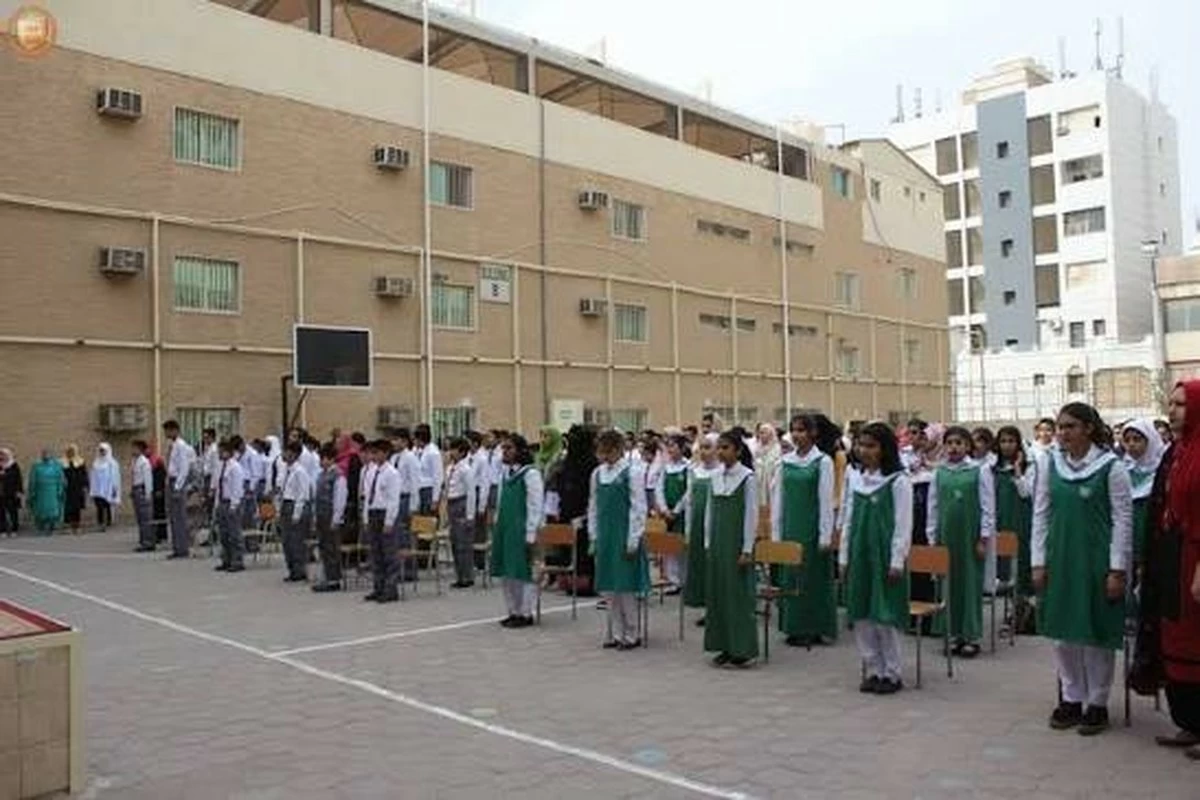

The first installment, including registration fees, is due during the first week of the student’s attendance. The second installment is due during the first week of the second term, in accordance with the academic calendar, while the third is due during the first week of the third term, specifically for Pakistani schools, also in accordance with the academic calendar. The decision also prohibits the affected private schools from increasing fees beyond the specified percentages and amounts or from changing the due dates, number, or value of the installments stipulated in the decision, ensuring compliance with the approved fee collection mechanism.
Furthermore, schools are strictly prohibited from denying students educational services, preventing them from taking term or final examinations, expelling them, or withholding their results due to non-payment of tuition fees during the academic year. Regarding student transfers during the academic year, the ministry stipulated that a school is entitled to 50 percent of the tuition fees if the due date for the first installment falls while the student is attending classes. However, the full tuition fee becomes due if the second installment’s due date falls while the student is attending classes.
According to the decision, if a student transfers from one school to another or withdraws from studies during the academic year, they remain liable for the scheduled installment fees due at the specified times. The school to which the student transfers is not entitled to any tuition fees for the period the student spent at the previous school. As an exception to this rule, the Department of Examinations and Equivalency, in coordination with the Administrative Affairs Department of the General Administration of Private Education, may readjust the fees owed by students who are dismissed or transferred between schools for educational reasons, in accordance with school system regulations, during an installment period. The adjustment will be calculated based on the duration the student spent at the school from which they transferred.
The Ministry of Education’s decision to raise tuition fees for Arab and Pakistani schools follows a similar decision issued last November regarding schools following the Indian curriculum. That earlier decision applied the same mechanism, with a 15 percent increase for schools charging tuition fees ranging from KD 300 to KD 500 and a 10 percent increase for schools charging more than KD 500. However, because the decision regarding Indian schools was issued during the academic year, approximately two months after classes had already begun, some schools opted not to implement the fee increase immediately, choosing instead to postpone it until the beginning of the current academic year. Regarding disclosure and transparency, the new decision requires schools subject to these regulations to submit a schedule of approved tuition fees to the Department of Financial and Administrative Affairs at the General Administration of Private Education.
The schedule must be reviewed and verified to ensure compliance with the approved rates. Following the review, schools are required to prominently display the fee schedule on their premises or on their websites, clearly informing parents of the tuition fees set for the academic year. The ministry has mandated that schools grant parents and students the right to access their term or final examination results, even if tuition fees remain unpaid. Furthermore, schools are required to notify the parents of students who have failed one or more subjects and are therefore eligible to take a retake examination, using a communication method previously agreed upon with the parent. The notification may be sent via text message, electronic message, email, or postal mail.