


07/11/2026

Share:
07/11/2026
Share:

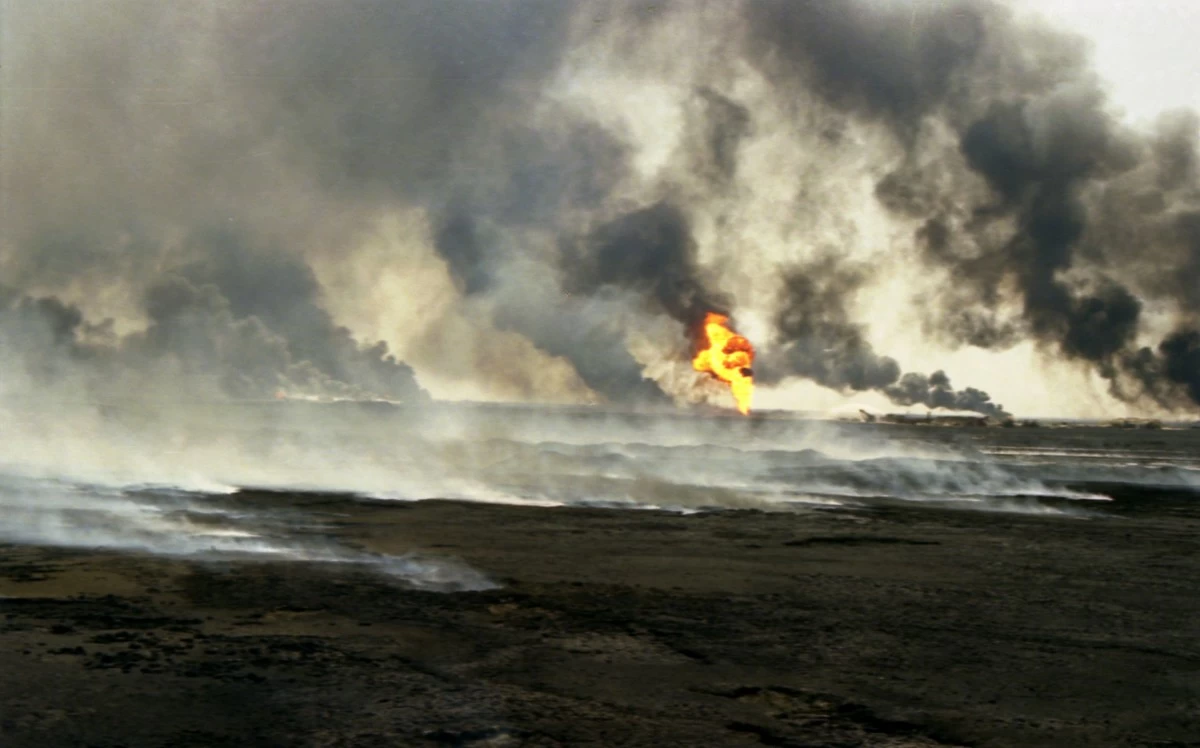
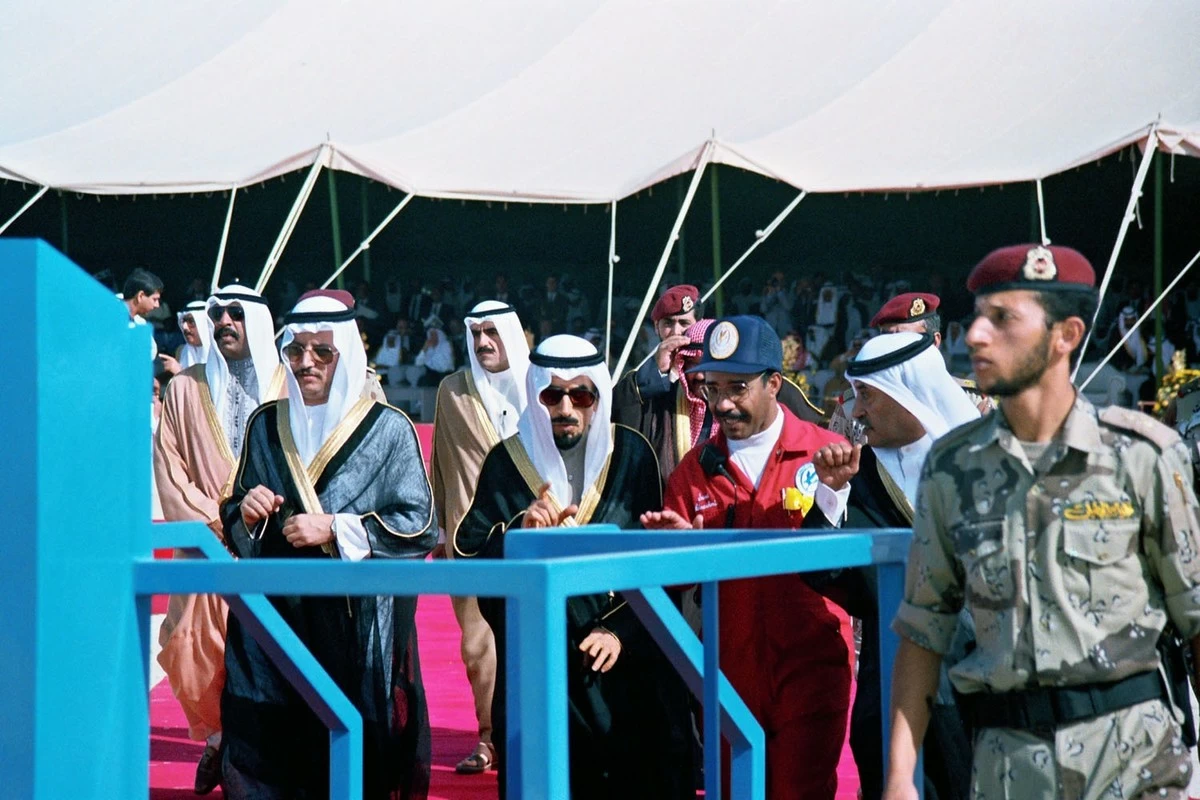
On this day in 1991, Kuwait celebrated the extinguishing of the last oil well that was burning in the Burgan field in Al-Ahmadi, under the patronage and presence of the late Amir Sheikh Jaber Al-Ahmad Al-Jaber Al-Sabah, concluding months of intensive operations involving specialists from Kuwait and friendly countries. The oil well fires generated massive clouds of smoke and flames that spread in all directions.
Oil gathering centers linking the wells to export terminals were also blown up, further intensifying the fires and destruction across the affected areas. Iraqi forces set fire to 737 Kuwaiti oil wells before withdrawing in February 1991, while the resulting damage caused crude oil losses estimated at four to six million barrels daily. The material losses affected the global economy for a period of seven months. The fires also released vast quantities of smoke and pollutants, damaging vegetation, buildings and wildlife and affecting air quality across the region, extending to Bahrain, Saudi Arabia, Qatar, Iran, Oman and other countries in Central Asia, in addition to black rain. Kuwait’s firefighting team successfully extinguished 41 wells, and more than 10,000 personnel from 27 international teams participated in the operation.
Following Kuwait’s liberation, relevant authorities launched efforts to rebuild the oil sector, forming specialized committees to assess damage to facilities, identify appropriate solutions and address emerging challenges, while working to restore production capacity and meet international market demand for Kuwaiti crude oil. Environmental experts and specialists from several countries subsequently visited Kuwait to assess the damage and its long-term consequences, while international conferences and discussions addressed ways to rehabilitate the affected environment. The initial reconstruction strategy focused on two main objectives: extinguishing the burning wells as quickly as possible and preparing selected wells for an early return to production. The firefighting and reconstruction efforts involved contacting around 30 international companies specializing in rehabilitating oil facilities damaged by fires and other causes.
Approximately 5,800 pieces of equipment and vehicles were deployed in the firefighting operations, forming the world’s second-largest non-military equipment fleet and the largest assembled in one location. Extinguishing the last burning oil well marked more than the end of an environmental disaster; it represented a major national achievement and the beginning of a new phase of reconstruction and recovery. The extinguishing of the last well marked the end of a major environmental catastrophe and the beginning of Kuwait’s recovery. The anniversary recalls the sacrifices of Kuwaiti personnel and international partners, highlighting national solidarity, resilience and the country’s determination to rebuild after the devastation. (KUNA)