


08/03/2026

Share:
08/03/2026
Share:
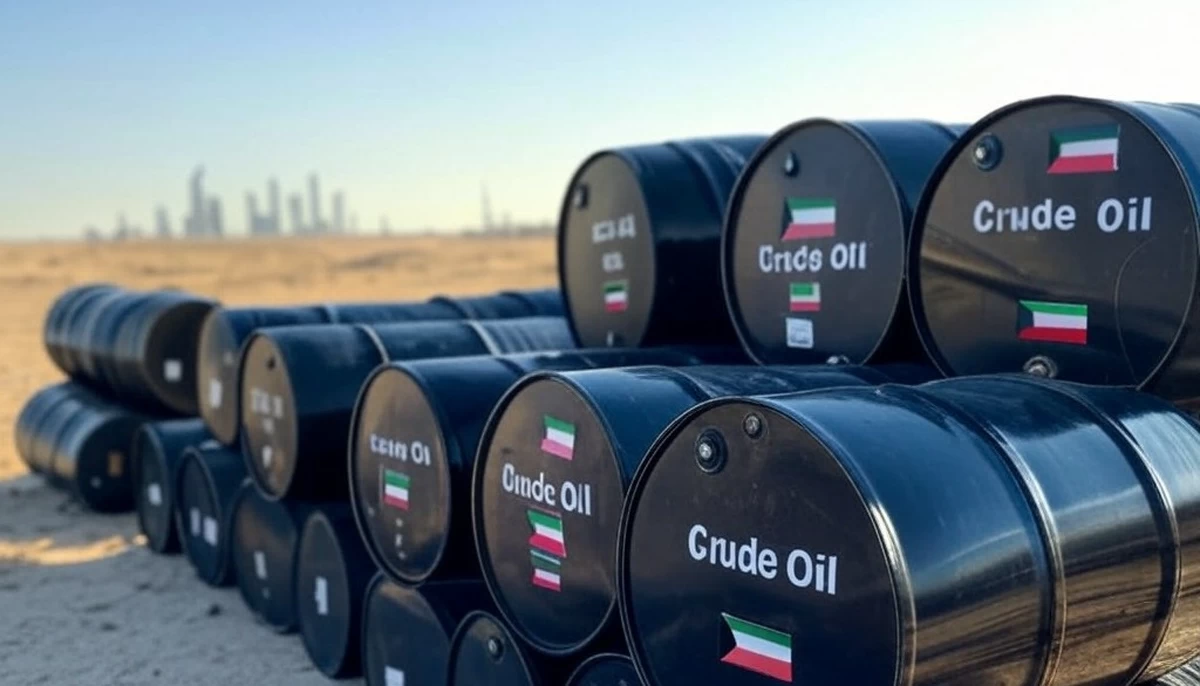

KUWAIT CITY, March 8: Economist Ahmed Al-Sadhan said the decision of Kuwait to cut crude oil production and refining operations – part of a precautionary strategy announced by Kuwait Petroleum Corporation (KPC) – is expected to drive up global oil prices. Al-Sadhan told the newspaper that this is a significant decrease in global supply, because Kuwait is a major player in the oil market. He said the reduction coincides with the ongoing war between Israel and the United States against Iran, a conflict contributing to the instability that prompted the production cut following repeated attacks on Kuwait and other Gulf Cooperation Council (GCC) nations.
Nevertheless, he believes that the price of a barrel of oil will reach $150 only if supplies are completely halted, such as the total closure of the Strait of Hormuz or an escalation and continuation of the war. He pointed out that fully reopening the Strait of Hormuz is more important than an apology from the Tehran regime to the GCC countries, especially since most of the GCC oil passes through this global waterway. He explained that while an apology is necessary, true good faith could be demonstrated by guaranteeing the security of navigation, flow of oil, and reopening of the Strait of Hormuz. He added that if Iran fulfills these requirements, it will have a more significant impact on calming markets. He stressed that the continuous closure of the strait will negatively impact the economies of the Gulf states, not to mention the deteriorating global economic situation.
Regarding the need for Kuwait to establish oil export pipelines in cooperation with other Gulf states to be used in times of crisis, Al-Sadhan supports this idea. He said “reviving the idea of exporting Kuwaiti oil via pipelines to bypass the Strait of Hormuz during periods of heightened conflict is a strategic necessity. Kuwait can cooperate with the Kingdom of Saudi Arabia or the Sultanate of Oman to access maritime outlets in case of any regional conflict or to shorten access and reduce transportation costs.”
About the possible damage on the global and Gulf economies if the Strait of Hormuz remains closed, he asserted that “this will disrupt the local, regional and global economic landscapes. Closing one of the most important arteries of maritime transport in the world will lead to a remarkable increase in oil prices, which will affect fuel and energy prices worldwide.
By Najeh Bilal Al-Seyassah/Arab Times Staff