



12/05/2026

Share:
12/05/2026
Share:
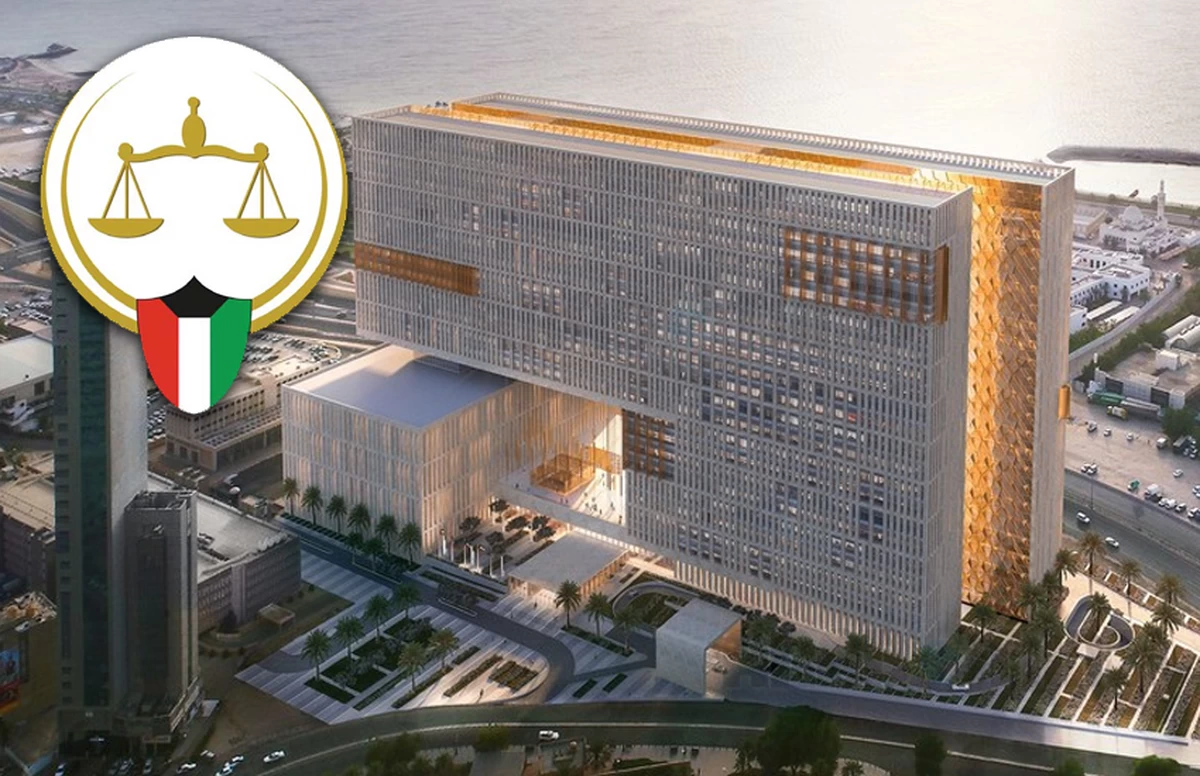

KUWAIT CITY, May 12: The Supreme Judicial Council has decided to prohibit applicants and those accepted for the position of Junior Legal Researcher, which qualifies them for appointment as Public Prosecutor (C), from appearing in any media outlets, including newspapers, television channels, and social media platforms, reports Al-Seyassah daily. The Council has tasked the Director of the Kuwait Institute for Judicial and Legal Studies with taking the necessary steps to circulate and implement the decision. The Supreme Judicial Council, headed by Counselor Dr. Adel Boursli, issued two new decisions as part of its efforts to enhance the prestige of the judiciary and protect the privacy of litigants, as well as for security considerations.
The council issued a circular to the President of the Court of Appeals, Counselor Mohammed Al-Rifai, instructing him to inform members of the judiciary and the Public Prosecution of the prohibition on making any press statements, expressing opinions on social media, or appearing in the media in any other form.
The decision is based on Article 25 of the Law Regulating the Judiciary and reaffirms earlier decisions issued in 1994, 1998, and 2015. It clarified that any activity outside the scope of judicial work requires prior authorization from the Supreme Judicial Council, with the possibility of disciplinary action against violators, ranging from a warning to the filing of a disciplinary lawsuit, in accordance with legal provisions.
The council also decided to strictly prohibit photography and videography inside courtrooms and the corridors of judicial buildings in all governorates, except with prior written permission from the head of the relevant court. Meanwhile, the Supreme Judicial Council (SJC) announced that the Misdemeanor Appeals Chambers of the Court of First Instance have adjudicated 36,093 appeals during the current judicial year of 2025/2026, representing a 203 percent increase compared to the previous year, based on data collected since October 2025, reports Al-Seyassah daily. In an official statement, the council explained that it expects this percentage to continue rising until the end of the current judicial year in September 2026. The reforms have significantly reduced the timeframe for scheduling appeal hearings to no more than two months from the date an appeal is filed with the Court of First Instance registry, compared to more than two years previously.