



24/08/2026

Share:
24/08/2026
Share:

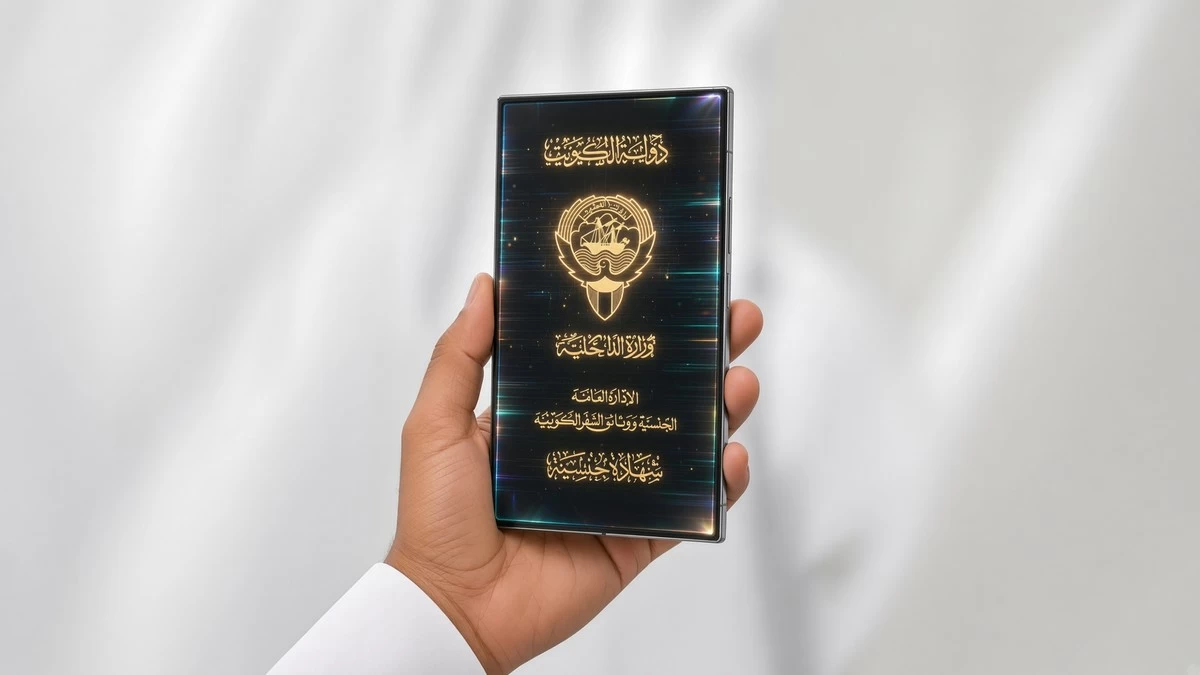
KUWAIT CITY, Aug 24: Kuwait has outlined the main objectives behind recent amendments to its Nationality Law, stressing the protection of national identity, strengthening national belonging and ensuring the state’s sovereign authority over citizenship matters.
The explanatory memorandum accompanying the amendments was published in the official gazette, Kuwait Alyoum on Monday. It said the changes are aimed at correcting practices that had affected the citizenship file and establishing clearer legal controls over the granting and revocation of Kuwaiti nationality.
The memorandum highlighted four key pillars of the amendments:
- Protecting the state’s sovereign authority to regulate citizenship matters.
- Prohibiting naturalized citizens from voting, standing for election or being appointed to parliamentary bodies, in line with the constitutional provisions cited in the decree.
- Ensuring that representatives of the people in parliamentary bodies are Kuwaiti citizens by birth, as stipulated by the Constitution.
- Introducing electronic citizenship certificates as part of Kuwait’s wider digital transformation and move toward paperless government services.
Under the amended provisions, citizenship may be revoked from a person who deliberately adds someone who is not their child or descendant to their citizenship file. The same provision may apply to children or descendants if it is proven that they knew about the matter and failed to notify the competent authorities.
The memorandum said the measure is intended to protect the national fabric and ensure that the state exercises its authority over citizenship through clear legal and regulatory controls.
The amendments also introduce a digital citizenship certificate, replacing the traditional paper document. The digital certificate will have the same legal validity and effect as the paper certificate and can be used wherever legislation requires a citizenship certificate to obtain a service or benefit.
The Minister of Interior will determine the technical and technological requirements governing the issuance, storage and use of the electronic certificate, as well as procedures for verifying its authenticity and circumstances under which it may be cancelled or suspended.
Regarding political rights, the explanatory memorandum said the addition of a new paragraph to Article 7 explicitly prohibits individuals who acquired Kuwaiti citizenship through naturalization from voting, standing for election or being appointed to parliamentary bodies.
The memorandum cited Article 82 of Kuwait’s Constitution, which states that members of the National Assembly must be Kuwaiti citizens by birth in accordance with the law. It said the amendment was intended to reinforce national identity and ensure that representatives in parliamentary bodies are selected only from citizens who hold Kuwaiti nationality by birth.
The government said the amendments are part of broader efforts to strengthen the nationality system, safeguard the country’s national identity and modernize government procedures through digital services.