


01/04/2026

Share:
01/04/2026
Share:
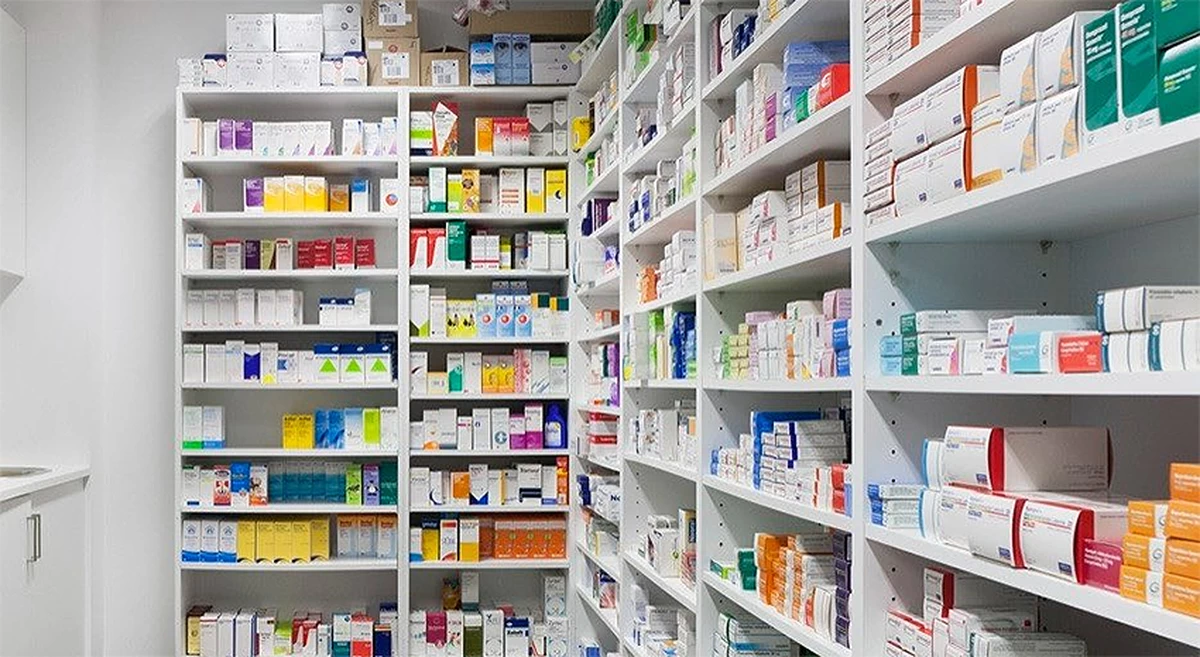

KUWAIT CITY, April 1: In recent years, some healthcare facilities in the country have witnessed a significant advancement in the preparation and dispensing of medications through the introduction of advanced automated systems based on robotics and intelligent software.
These automated systems have not only accelerated operational processes but have also directly contributed to raising the level of accuracy and reduced the likelihood of errors, particularly in medication dispensing. This transformation represents a strategic step toward achieving the highest standards of medication safety, especially given the growing number of patients and the increasing complexity of medical conditions.
Amid rapidly evolving regional challenges and the resulting pressures on healthcare systems, the importance of these proactive measures to adopt the latest technologies has become increasingly clear. They ensure the continued provision of medical services with high efficiency and reliability, particularly in pharmaceutical supply management. Automation devices are among the most prominent modern technologies that have contributed to improving healthcare quality. These devices rely on programmed systems capable of performing tasks automatically according to precise standards, thus reducing the need for human intervention and minimizing potential errors. Their significance is particularly evident in hospital pharmacies, where storage, preparation, and dispensing processes require high levels of accuracy and organization. In this context, Fatima Al-Khader, Head of the Pharmacy Department at Amiri Hospital, told Kuwait TV that modern automation devices have significantly improved pharmaceutical services for patients. She said, “The robotic device in use can handle approximately 25,000 medicine boxes, with each box identified by its unique barcode.
The ‘pharmacy robot’ is among the most prominent automation applications in this field, representing a major advancement in pharmaceutical operations. It organizes medications efficiently and links them to an integrated electronic system that automatically selects the correct medicine upon prescription entry and prepares it within seconds, thus improving performance efficiency and saving time. Meanwhile, pharmacist Noura Jamal told Kuwait TV that outpatient clinics are equipped with advanced automated dispensing machines.
She explained that these machines can handle more than 350 types of medication and over 25,000 medicine boxes. This technology accelerates the prescription preparation process, with dispensing times ranging from 30 seconds to one minute, while also generating medication labels containing all the information patients need to use their medications correctly. These devices play a vital role in improving pharmaceutical inventory management.
Accurate tracking systems allow continuous monitoring of available stock and provide alerts when quantities are low or medications are approaching expiration. This helps reduce waste and ensures the timely availability of essential medications, particularly during emergencies. Automation also reduces the workload on medical staff by minimizing routine tasks, allowing pharmacists to focus on more critical duties, such as providing medication consultations, thereby enhancing the quality of healthcare. Automation is not limited to pharmacies, but it also extends to internal hospital transport systems, most notably pneumatic tube systems, which quickly transfer medications and samples between departments using specialized capsules.