



16/08/2026

Share:
16/08/2026
Share:
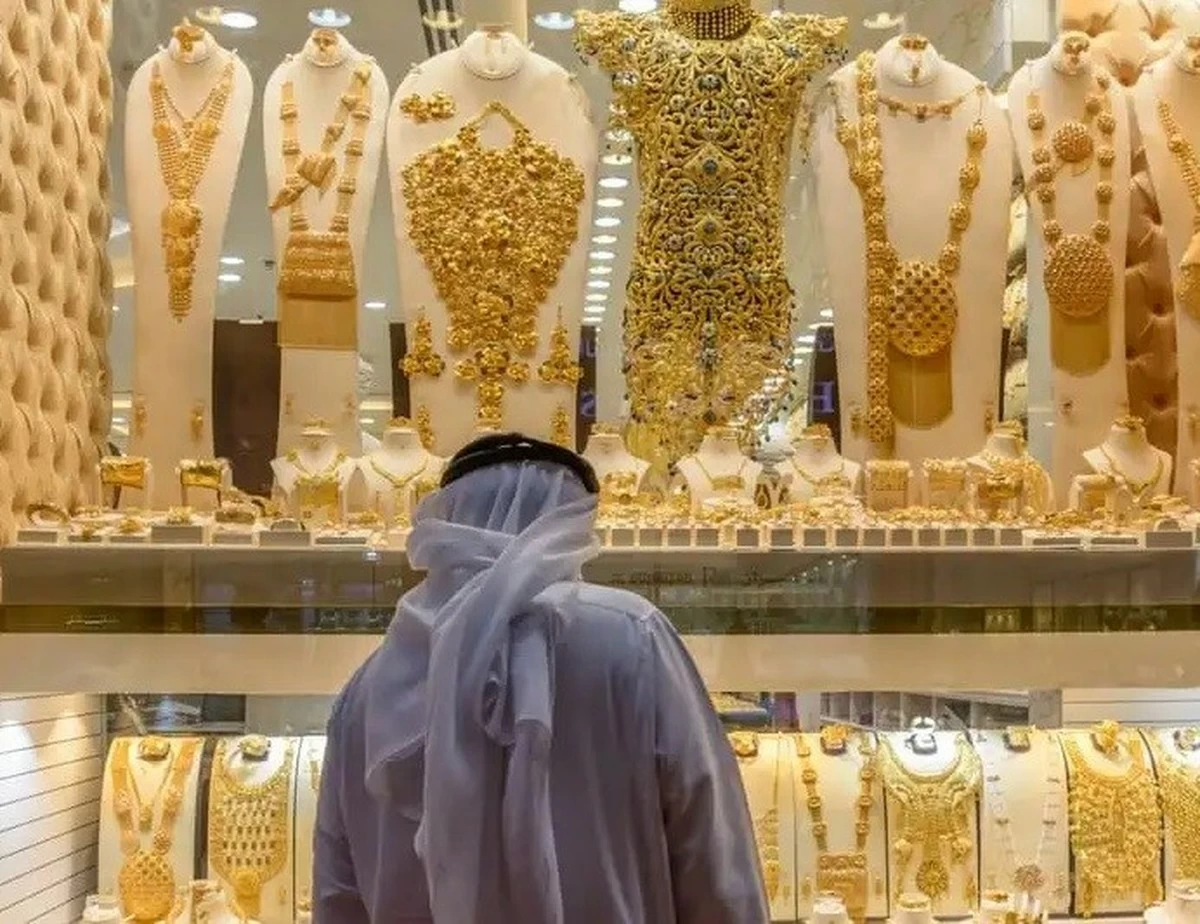

KUWAIT CITY, Aug 16: Gold prices in Kuwait rose last week in line with gains in global markets, with 24-karat gold reaching around KD 43.6 per gram (approximately $141), while 22-karat gold stood at around KD 39.97 per gram (approximately $130). According to a report issued Sunday by Kuwait-based Dar Al-Sabaek Company, silver prices also rose to around KD 727 per kilogram (approximately $2,366). Globally, gold prices ended last week higher at $4,377 per ounce, marking gains for the second consecutive week. The rise was supported by a weaker US dollar and lower expectations of a US interest rate hike at the Federal Reserve’s meeting in September. Dar Al-Sabaek’s report stated that the increase followed a series of weak US economic data, strengthening expectations of an economic slowdown and reducing the likelihood of tighter monetary policy. US retail sales fell by 0.6 percent last July, marking the first decline after five consecutive months of growth. The figure was also below market expectations of a 0.1 percent increase. US inflation data released during the week showed continued easing of inflationary pressures, with consumer and producer prices coming in more moderately. This further supported expectations that the Federal Reserve may not raise interest rates in September.
The probability of a September rate hike fell to around 31 percent, down from approximately 55 percent a week earlier, providing further support for gold as the opportunity cost of holding the precious metal declined. The US dollar also weakened during the week as investors scaled back their expectations of tighter monetary policy, while lower US Treasury yields provided additional support for gold prices. The preliminary reading of the US consumer confidence index fell from 55 points in July to 51 points in August, reflecting growing concerns over the strength of the economy and consumers’ ability to cope with rising prices. One-year inflation expectations rose to 4.3 percent from 4.2 percent, while long-term expectations remained steady at 3.3 percent. On the geopolitical front, developments in the Middle East and the fate of the Strait of Hormuz remained among the key factors affecting markets. Despite the continued closure of the strait, oil prices did not experience a sharp increase, limiting concerns over a renewed wave of inflation. Central bank demand also continues to provide fundamental support for gold, with China adding around 20 tons to its gold reserves in July, marking the 21st consecutive month of purchases. Investors’ attention this week will turn to the minutes of the US Federal Reserve meeting, which saw three dissenting votes and could provide important signals on the future of interest rates and the direction of monetary policy in the coming months, as well as the minutes of the European Central Bank meeting. (KUNA)