


22/01/2026

Share:
22/01/2026
Share:

KUWAIT CITY, Jan 22: The Ministry of Health underscored Kuwait’s commitment to developing its toxicology system and integrating it with emergency, critical care, and rapid response systems to enhance institutional readiness, intervention speed, and healthcare quality.
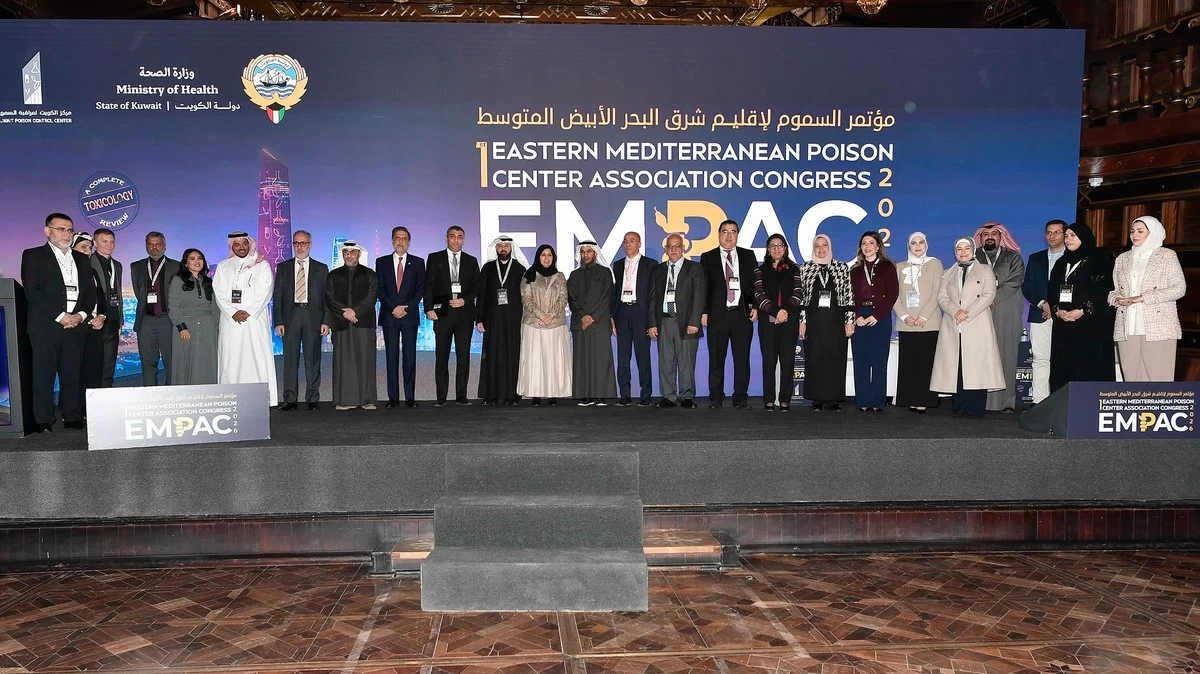
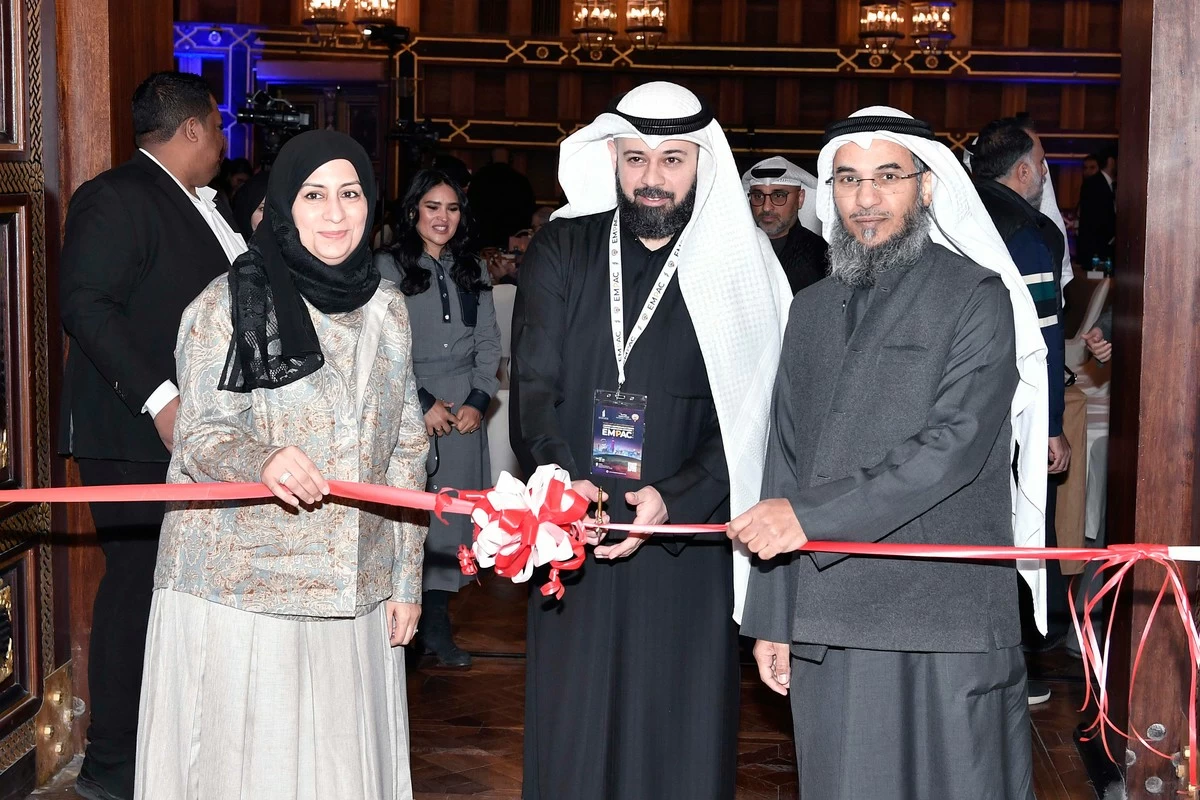
The statement was made by Undersecretary of the Ministry, Dr. Abdulrahman Al-Mutairi, during the opening of the Eastern Mediterranean Regional Conference on Toxicology, representing Minister of Health Dr. Ahmad Al-Awadhi. The five-day conference, supported by the World Health Organization (WHO), brings together toxicology experts from 14 countries.
Dr. Al-Mutairi said poisoning represents a growing challenge for modern healthcare systems, given its clinical burden, implications for health security, and the emergence of complex exposure patterns. He highlighted the Kuwait Poison Control Center as a national model, noting its affiliation with the Emergency Departments Council reinforces toxicology’s key role in the national emergency system and supports critical clinical decision-making.
Since opening in May 2023, the center has become a fundamental part of the national healthcare system, aiding medical decisions, improving care for poisoning cases, and fostering an integrated institutional approach across specialties.
Conference Chairman Dr. Abdul Latif Al-Awmi added that, since its inclusion in the Ministry’s National Emergency and Disaster Plan, the center has been pivotal in hospital preparedness for radiological and chemical incidents. He also cited the adoption of hyperbaric oxygen therapy at Al-Jahra Hospital in late 2022, which treated 160 patients referred from other hospitals, as an example of integration across healthcare facilities.
The Kuwait Poison Control Center also focuses on training Ministry personnel, including physicians, pharmacists, and nurses, through ongoing educational and awareness programs to improve poisoning case management.
Dr. Asaad Hafeez, WHO representative in Kuwait, reaffirmed the organization’s commitment to supporting the center, providing technical assistance, facilitating dialogue among countries and experts, mobilizing resources, and aligning the network with global chemical health initiatives.
He added that a regional network of poison control centers would allow toxicologists, laboratories, epidemiologists, physicians, regulatory bodies, and emergency responders to exchange timely information on toxic substances, emerging threats, unusual poisoning cases, and best practices for clinical management. Hafeez emphasized that poison centers act as specialized services offering diagnostic and treatment guidance, collecting and analyzing data, and serving as chemical hazard observatories under International Health Regulations for monitoring and responding to chemical-related public health events.