



12/08/2026

Share:
12/08/2026
Share:
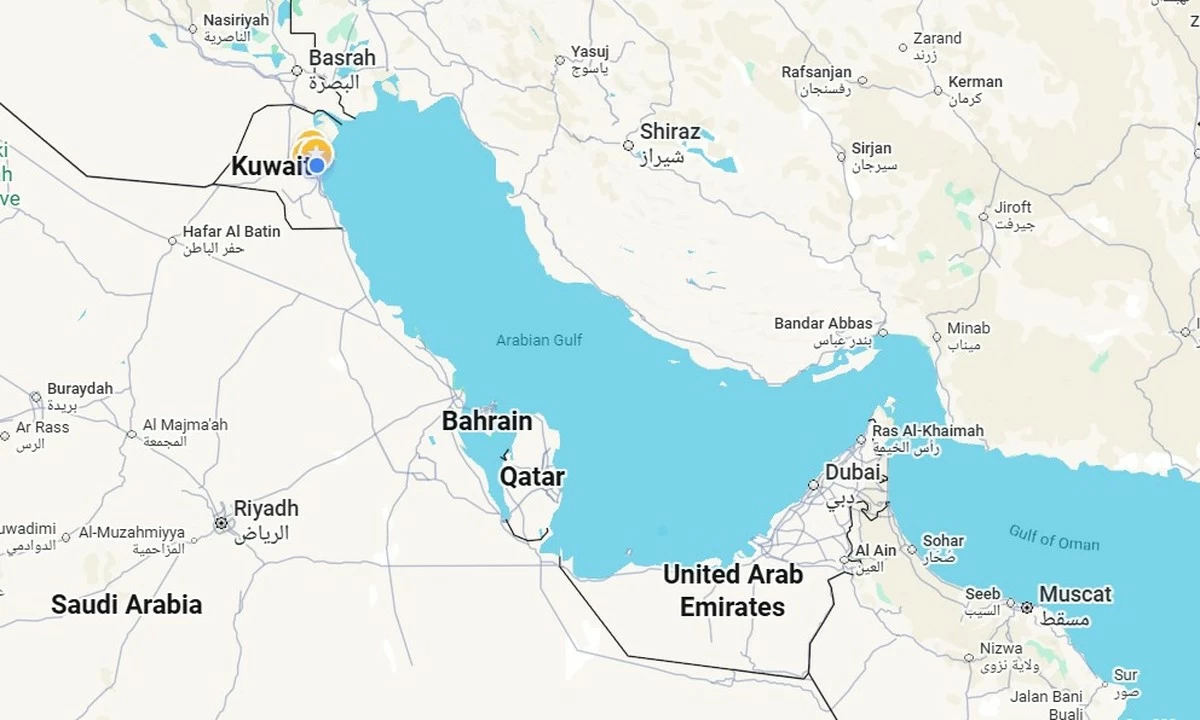

KUWAIT CITY, Aug 12: With the escalation of geopolitical crises, the Strait of Hormuz has transformed from a natural waterway into a greater threat to the economic stability of the Gulf Cooperation Council (GCC) countries. As the region faces this critical situation, two experts told the newspaper about the need to expedite the expansion of land-based oil transport projects and the construction of massive pipeline networks in the territories of Saudi Arabia, the United Arab Emirates (UAE) and Oman. Economic expert and former advisor to the Minister of Finance Mohammad Ramadan affirmed that the GCC’s geographical and logistical depth is rich with alternatives extending to the territories and coastlines of Saudi Arabia, the UAE and Oman. Ramadan explained that activating these alternatives will lead to a decline in the importance of the Strait of Hormuz as the sole path for global energy trade. He said this structural shift in export routes will deprive Tehran of its control over the Strait of Hormuz.
He pointed out that addressing the Strait of Hormuz crisis does not necessarily mean abandoning it or losing it entirely as a shipping lane, but rather breaking its monopoly and diminishing its ability to exert absolute control over energy transport. Moreover, economic and legal expert Salem Al-Kandari called on Kuwait to break free from its traditional approach and target promising African and European markets rather than relying solely on Asian markets for selling Kuwaiti oil. He indicated that this move necessitates securing a safe economic route, away from Hormuz.
He stated that the Saudi East-West pipeline, extending to the port of Yanbu on the Red Sea, is the optimal logistic and security corridor for exporting Kuwaiti oil to Europe and Africa. He added that this pipeline is distinguished by being a safe and reliable strategic outlet that spares Gulf energy shipments the risks of the usual geopolitical tension in the Strait of Hormuz. He cited the enormous operational capacity of the Saudi pipeline, whose current maximum operating capacity is around seven million barrels per day.
“This is divided into roughly five million barrels per day for export through the port of Yanbu and two million barrels per day directed domestically to supply refineries and meet local consumption on the western coast of Saudi Arabia,” he elaborated. He believes that providing an alternative to the Strait of Hormuz will reduce shipping costs, as the pipeline shortens the way around the Arabian Peninsula, thus, reducing travel times and mitigating the risks associated with wars and military operations. He then stressed that the oil export pipeline project strengthens Gulf integration, solidifies logistic and economic ties between Kuwait and Saudi Arabia, and paves the way for the development of an integrated Gulf energy pipeline network.
By Najeh Bilal Al-Seyassah/Arab Times Staff