

09/11/2026

Share:
09/11/2026
Share:
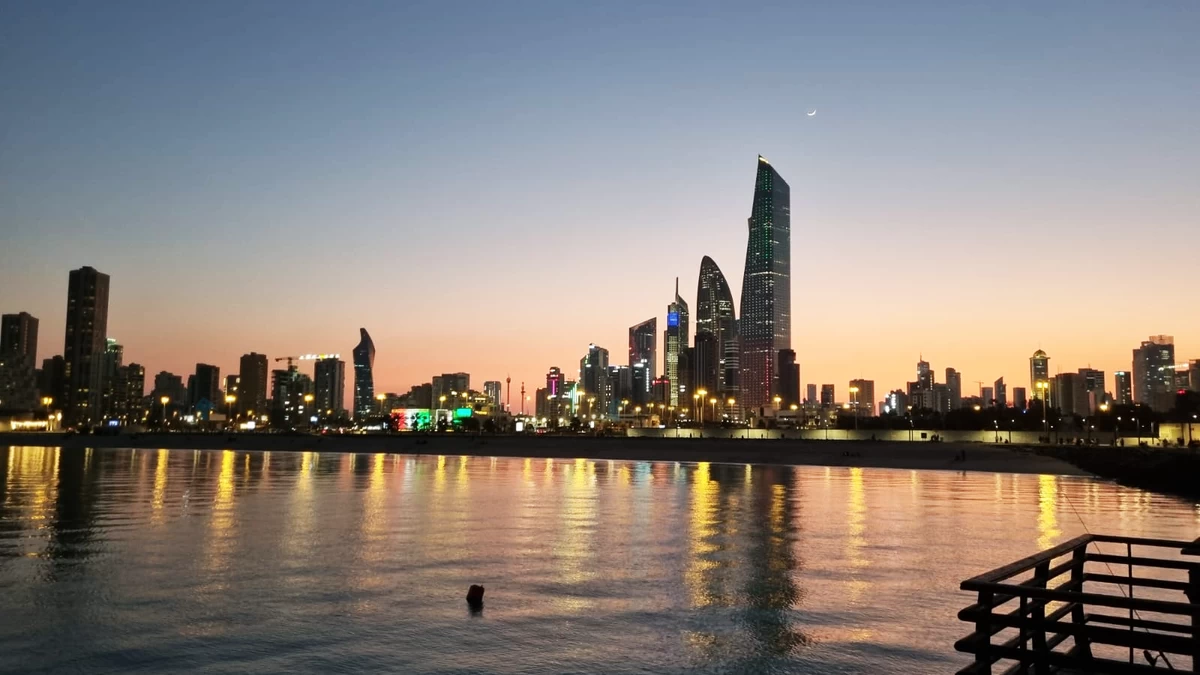

According to informed sources, the ongoing construction reflects a shift in the government’s approach from planning to implementation. By the end of this decade, Kuwait is expected to see a significant increase in foreign investment, which will play a crucial role in diversifying national income sources, creating employment opportunities in non-oil sectors and strengthening the local economy’s integration into global supply chains. The sources revealed that KDIPA is moving ahead with efforts to reshape Kuwait’s economic landscape.
They explained that KDIPA, through a comprehensive portfolio of investment-ready opportunities in strategic locations, aims to strengthen Kuwait’s position as a competitive regional investment hub, attract international capital and encourage the localization of advanced technologies and innovation. The initiative involves developing land allocated to KDIPA, covering an estimated total area of 19 square kilometers. This extensive area is expected to be transformed into attractive destinations for foreign direct investment (FDI), offering fully developed land and facilities suitable for industrial, technological and logistics businesses. This will enable foreign investors to enter the Kuwaiti market while benefiting from competitive investment advantages.
Regarding the project’s development and social impact, the sources noted that its expected benefits extend well beyond financial returns. At its core, the project aims to bring modern technologies and advanced technical expertise into Kuwait while creating high-quality, sustainable job opportunities for young Kuwaitis in innovative sectors. It will also provide opportunities to develop local skills and train national professionals to meet the highest international standards. The sources stressed that diversifying Kuwait’s national income is no longer simply an option but an essential requirement for ensuring the country’s long-term economic future.
They affirmed that linking these economic zones to the “value-added” concept is primarily aimed at attracting advanced manufacturing, technology and logistics industries. These sectors would help reduce reliance on oil as the main driver of economic activity while capitalizing on Kuwait’s strategic geographical location to secure a greater share of regional and international supply chain