


06/04/2026

Share:
06/04/2026
Share:

KUWAIT CITY, April 5: As the war waged by the United States of America and Israel against Iran enters its fifth week, the repercussions have extended beyond the military arena, impacting the global economy, particularly food security.
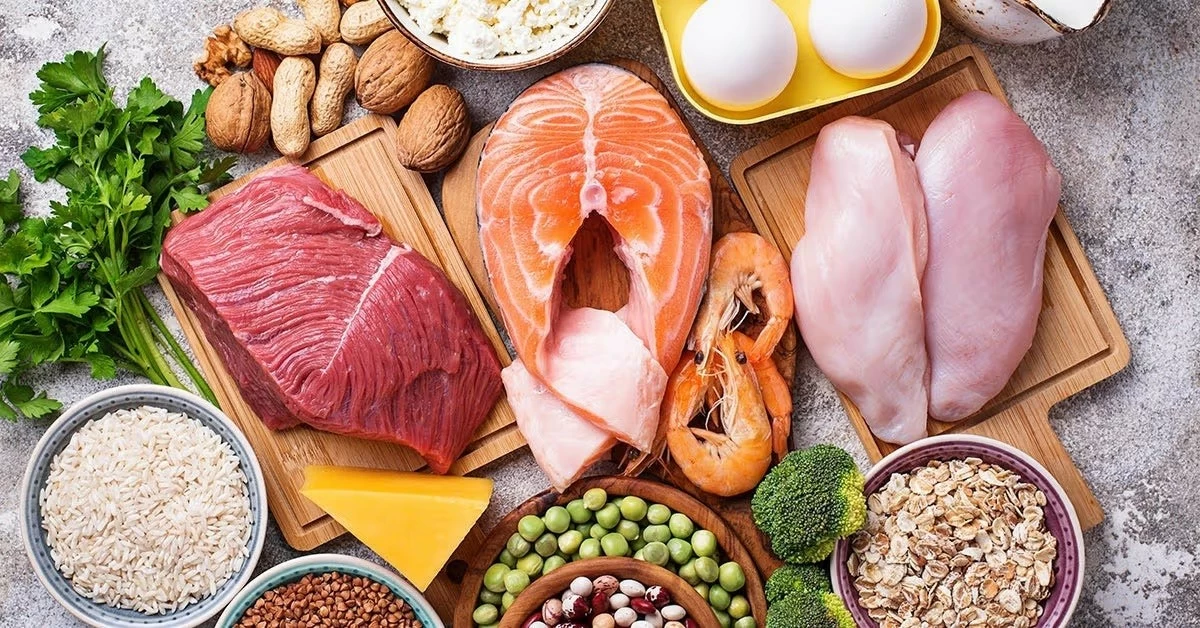
The closure of the Strait of Hormuz, a vital artery for oil flow and trade, has disrupted supply chains, leading to a surge in the prices of basic commodities, especially meat.
The closure of the Strait of Hormuz, a vital artery for oil flow and trade, has disrupted supply chains, leading to a surge in the prices of basic commodities, especially meat.
In Kuwait, despite the stable supplies compared to other countries, meat prices have started to rise remarkably -- ranging between 20 percent and 30 percent, according to the field survey conducted by the newspaper at a famous meat market in Shuwaikh.
Several merchants attributed the abovementioned price increase to rising import costs, shipment shortage and global rise in feed prices. Citizen Bu Hamad stated that meat prices have gradually increased since the outbreak of war, clarifying that the increase is still “acceptable.” He stressed the need to expand local livestock farms and establish feed mills to reduce reliance on foreign markets, considering the global crises.
Citizen Saud Al-Mutairi affirmed that the crisis proved the strength of relations between Kuwait and the Kingdom of Saudi Arabia, explaining that the country experienced no shortage in food supplies because shipments continue to flow through the Saudi territory. He added that consumers understand the market conditions and called for increased local production to reduce reliance on imports in the future. Abdullah Hussein asserted that Kuwait remains “a land of security and safety.” He said the rate of local price hikes remains less than in other countries affected by the Strait of Hormuz closure.
Khaled Abu Omar, an official at a meat distribution centre, disclosed that meat prices have increased since the beginning of the crisis. He stated that the price of a kilogram of imported beef rose from KD3 to KD4.5, the price of a kilogram of local lamb increased from KD3.5 to KD5, the price of Australian lamb increased from KD3.5 to KD4.5, and the wholesale price of Kuwaiti veal rose from KD2.5 to the price range of KD4 to KD4.5. Saad Jamal, a meat sales manager, said the price of a slaughtered Somali lamb rose from KD57 to KD65 for a weight ranging between 14 and 15 kilograms, confirming the increased demand for it due to its lower price compared to other types.
He added that the price of Sudanese lamb reached KD115, while the price of the Kuwaiti Naeemi lamb rose by about 20 percent -- between KD140 and KD160 depending on quality. He also confirmed that some traders are limiting sales to avoid a shortage due to high demand. Butcher Hamada Al-Sayed said supplies continue to arrive through Saudi Arabian airports, in addition to imports from Pakistan and other countries. He revealed that prices increased by 20 to 30 percent despite the availability of meat in the local market, as consumers have opted for cheaper alternatives. Walid Abu Mohammad indicated that refrigerated trucks carrying meat, including live cattle, arrive daily from Saudi Arabia, which contributes to maintaining stability in the local market.
By Najeh Bilal Al-Seyassah/Arab Times Staff