



25/08/2026

Share:
25/08/2026
Share:

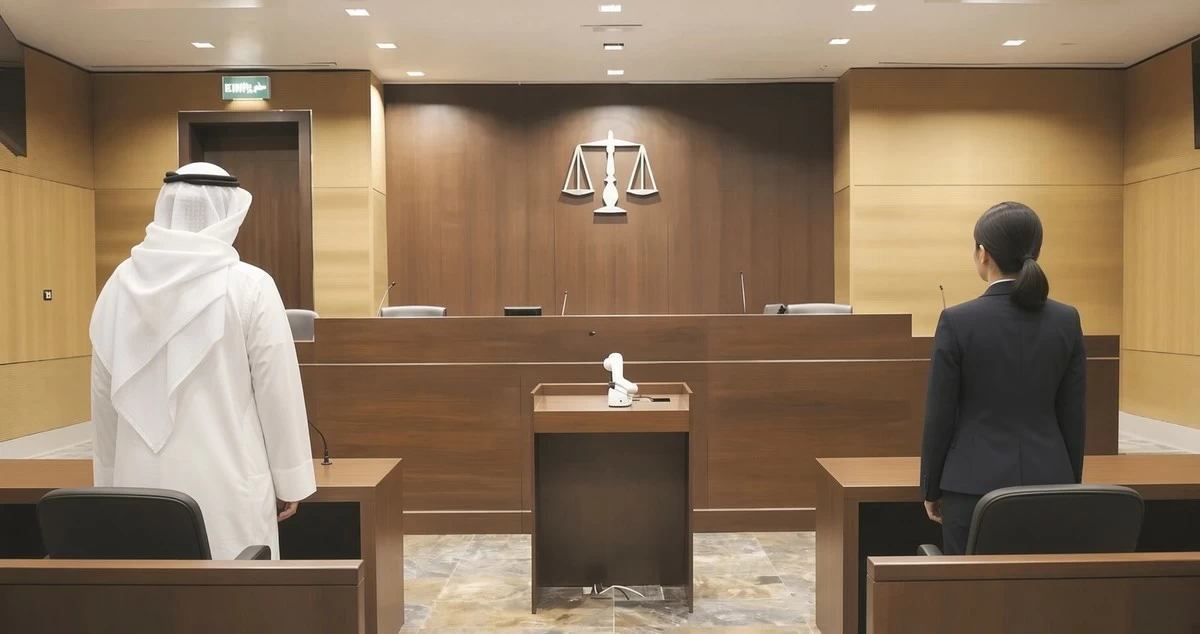
KUWAIT CITY, Aug 25: A Kuwait court has ruled to confirm the marriage of a Kuwaiti citizen to a Chinese woman after the couple faced administrative hurdles in authenticating their marriage contract with the relevant authorities, lawyer Muhammad Al-Bathari said.
The case, which sheds light on the legal remedies available when administrative procedures fail, saw the court confirm the marriage and order the issuance of an official authentication certificate from the Sharia Documentation Department.
The CaseAccording to Lawyer Muhammad Al-Bathari, one of his Kuwaiti clients approached the firm after concluding his marriage contract with a Chinese woman in the People's Republic of China. However, when the couple attempted to authenticate the marriage with the relevant authorities in the State of Kuwait, the application was rejected.
The rejection was based on observations raised against the marriage contract, including the absence of the marriage guardian and discrepancies in the contract's date.
Recourse to the JudiciaryFaced with the administrative impossibility of authenticating the marriage, the husband resorted to the judiciary to prove the marital relationship and its ensuing legal effects. His legal team filed a lawsuit requesting judicial confirmation of the marriage.
After hearing the case, the court ruled in favour of the claimant, confirming:
- The marriage of the claimant to the first defendant on 20/3/2023, with a dowry of 200 Kuwaiti dinars.
- The taking of the necessary procedures to obtain a certificate authenticating the marriage from the Sharia Documentation Department, along with all resulting legal effects.
The ruling clarifies that the administrative inability to authenticate a marriage contract before the relevant authorities does not necessarily bring the matter to an end. Where the necessary conditions and evidence are met, parties may resort to the judiciary and request judicial confirmation of the marriage, allowing the ruling to carry all the legal effects of a valid marriage.
Legal observers note that the case serves as a practical example of the importance of distinguishing between the administrative authentication of a marriage and the judicial confirmation of a marriage when disputes or obstacles prevent the completion of authentication.