



17/01/2026

Share:
17/01/2026
Share:
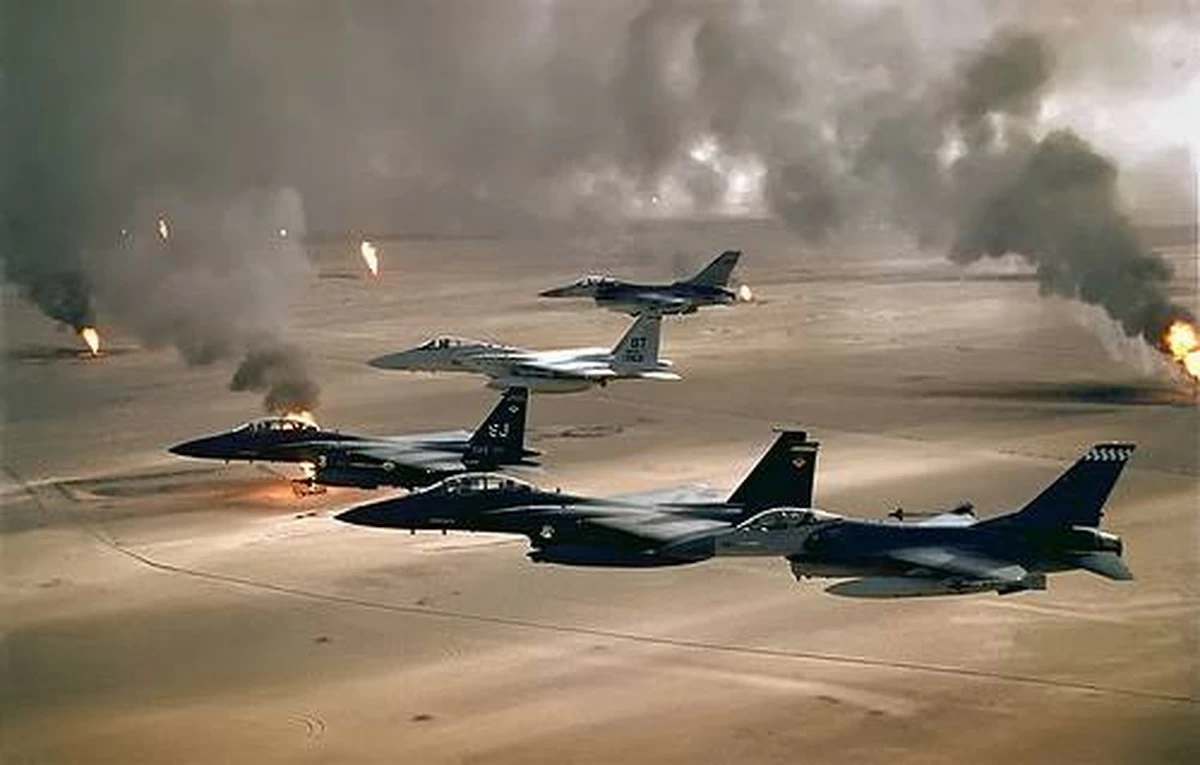


KUWAIT CITY, Jan 17: Kuwait marks Saturday the anniversary of the first airstrikes by international coalition forces on January 17, 1991, launching Operation Desert Storm to liberate the country from Iraqi occupation. The anniversary is observed annually to honor the resilience of the Kuwaiti people and their leadership during the 1990–1991 Gulf crisis.
The Iraqi invasion of Kuwait on August 2, 1990, presented a severe challenge to the nation’s people and government. In response, Kuwait and the United States called for an emergency United Nations Security Council meeting, resulting in Resolution 660, which condemned the invasion and demanded Iraq’s immediate withdrawal. On November 29, 1990, Resolution 678 set January 15, 1991, as the final deadline for Iraqi withdrawal, authorizing the use of force if Iraq failed to comply.
On January 12, 1991, the U.S. Congress approved President George H.W. Bush’s use of military force. Despite diplomatic efforts, including a message from Saudi King Fahd urging withdrawal, Iraq did not comply.
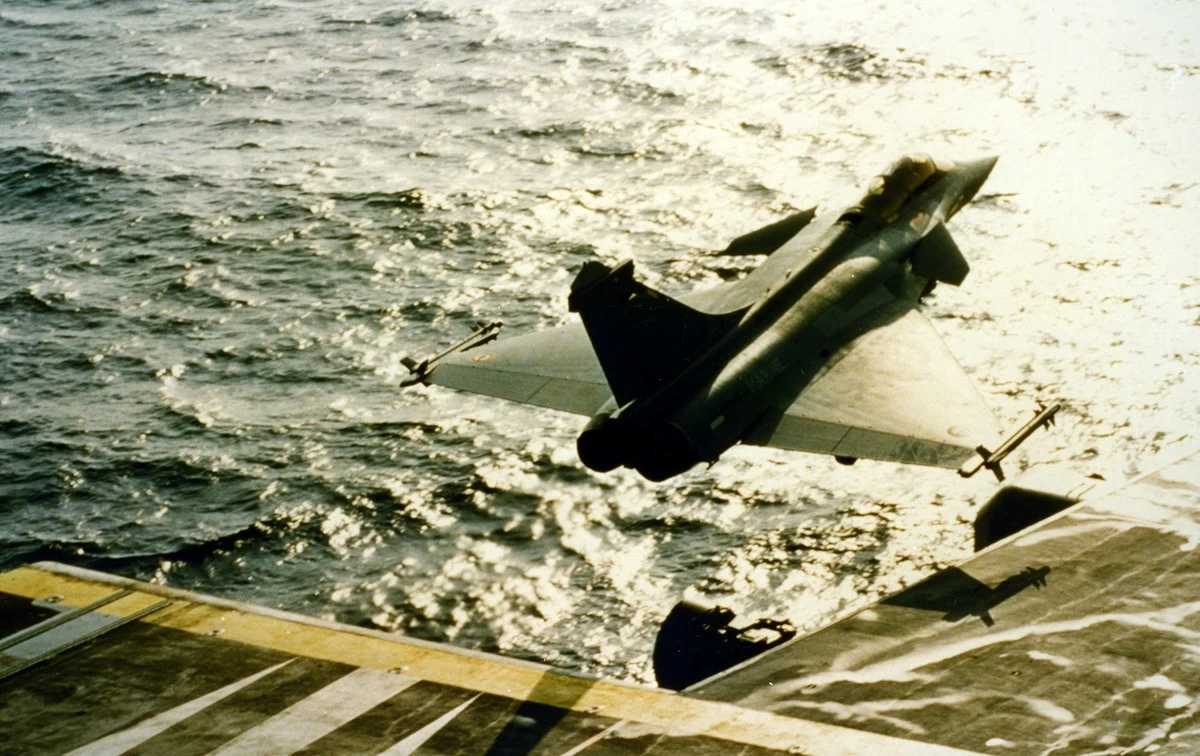
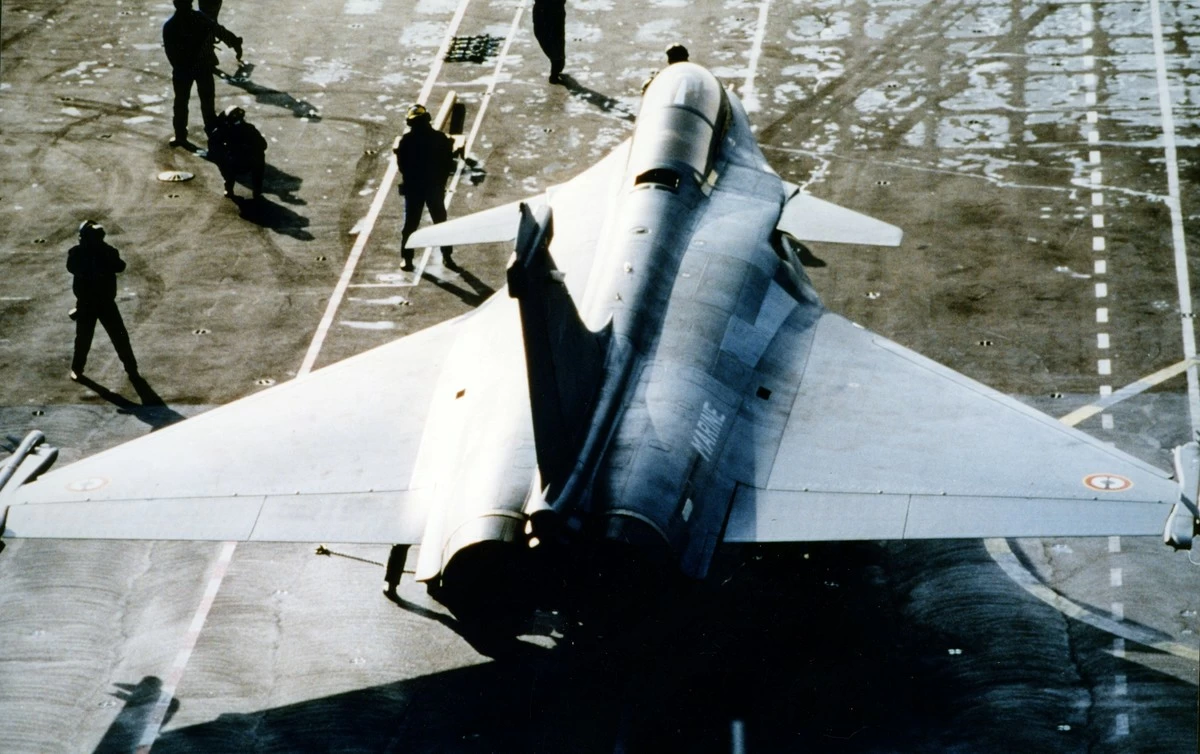
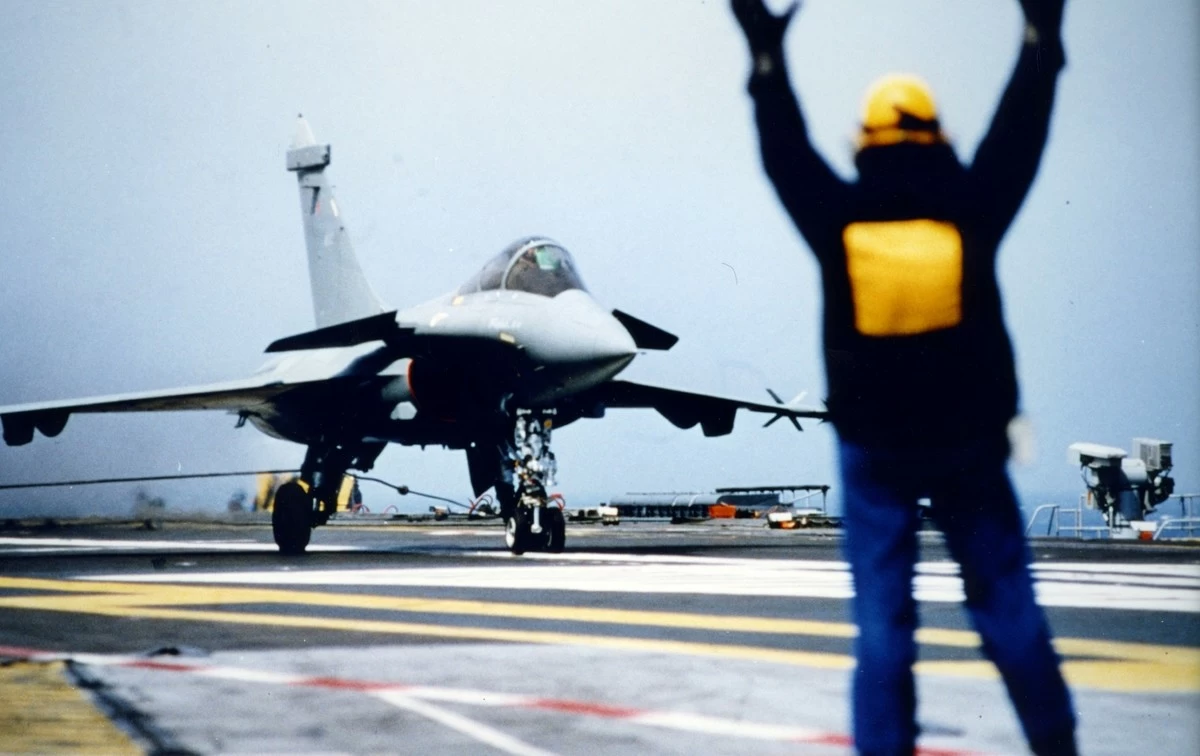
At dawn on January 17, 1991, 16 hours and 55 minutes after the UN deadline expired, the first airstrikes commenced. The operation involved 1,800 coalition aircraft, including U.S. F-17s targeting Baghdad, British Tornado bombers hitting Iraqi airfields, French and Italian jets striking missile sites, and Kuwaiti jets attacking Iraqi positions within Kuwait. Aircraft launched from carriers in the Arabian Gulf and Red Sea, Turkey’s Incirlik Air Base, and Saudi and Bahraini airbases.
The first day of raids lasted 240 minutes, involving 400 aircraft in 1,200 sorties, including 302 by Saudi and Kuwaiti forces, destroying nearly half of Iraq’s jets. U.S. warships fired 100 Tomahawk missiles, and eight AH-64 Apache helicopters conducted low-level raids to disable Iraqi radar.
More than 750,000 coalition troops participated, including 500,000 Americans, 30,000 Britons, 13,000 French, and 200,000 Arab forces. Within two weeks, Iraq’s air defenses were crippled, and radar, command, and communication systems were jammed.
On February 22, 1991, Iraq accepted a Soviet-proposed ceasefire, which the U.S. rejected, allowing only 24 hours for unconditional withdrawal. Coalition ground forces entered Kuwait and southern Iraq on February 24, divided into three groups targeting Kuwait City, the Iraqi western flank, and southern Iraq. Iraqi forces began withdrawing on February 26, and President Bush announced Kuwait’s liberation on February 27, 1991, 100 hours after the ground offensive began.
The anniversary honors the steadfastness of the Kuwaiti people and the coalition forces that restored the country’s sovereignty.