


18/07/2026

Share:
18/07/2026
Share:

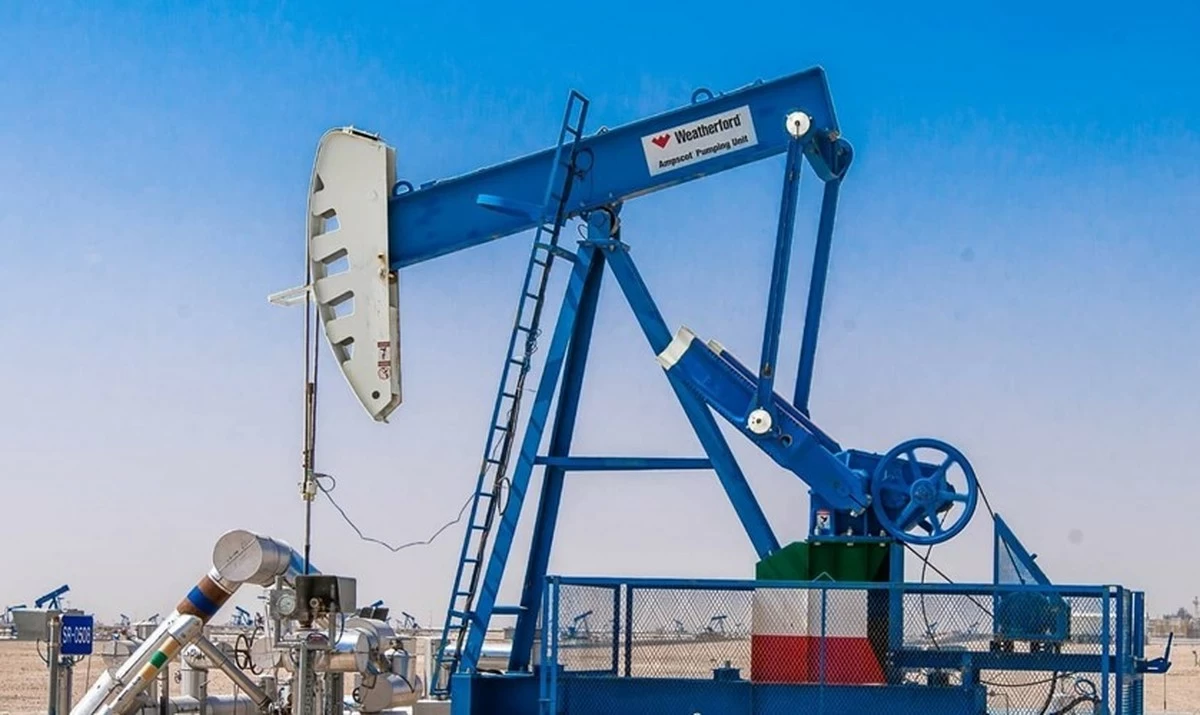
The recent surge in oil prices may prove temporary, driven primarily by the current war and disruptions in the Strait of Hormuz. Overall, global crude oil supply is relatively stable, with the United States continuing to hold the top position in oil production, producing between 13.5 million and 14 million barrels per day. To break even or balance the current year’s budget, we need an oil price of around $90.5 per barrel, which appears to be a very high and difficult to achieve. Currently, the global oil supplies are in surplus, as producers are constantly seeking new outlets for their production.

Kuwait still has several options to manage its annual budget deficits, including selling portions of its valuable global assets or utilizing international borrowing markets, which would likely welcome Kuwait given its sovereign wealth funds, which are now valued at more than $1 trillion. This position is further supported by Kuwait’s significant crude oil reserves, estimated at more than 70 billion barrels. Our choices are numerous, but borrowing from international financial markets may be the simplest and easier option. Another alternative is to monetize parts of our natural assets, similar to what Saudi Aramco has done. This would not affect Kuwait’s sovereignty or its ability to make independent decisions, as long as ownership structures and governance arrangements preserve national control and strategic independence.
Alternatively, Kuwait could consider selling parts of its natural oil assets, similar to what Saudi Aramco has done. This would not affect our sovereignty or infl uence our national decisions. We would still have the freedom to make our own sovereign decisions. We are still far from balancing our budget, especially with the normal increase in the number of fresh graduates and population growth. This requires more infrastructure development and the creation of job opportunities, which further increases our budget requirements as we continue to support the new generation of Kuwait. Of course, we can invest in improving our oil industry locally and internationally. However, this will still depend on oil revenues, which brings us back to the same challenge of finding alternative sources of income besides oil. Non-oil sources of income must and should be the answer. Will this happen? For the time being, we must focus on improving efficiency within our oil industry, strengthening its performance, and maximizing oil revenues in every field and sector. By doing so, we may be able to improve our financial position and reduce some of our budget deficits.
Independent Oil Analyst
email: naftikuwaiti@yahoo. com