



24/05/2026

Share:
24/05/2026
Share:
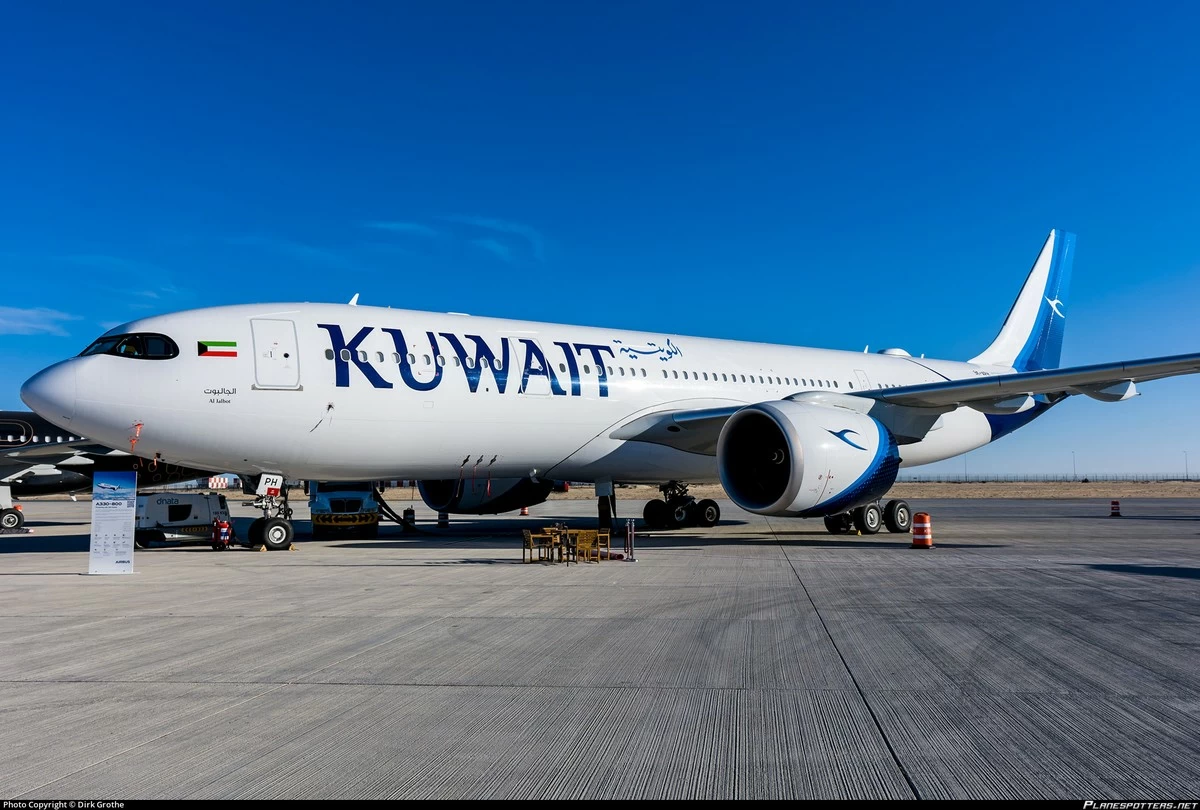

KUWAIT CITY, May 24: Kuwait Airways is set to significantly ramp up operations this June, with plans to operate approximately 728 weekly flights across 58 global destinations, according to Acting CEO Abdulwahab Al-Shatti.
Al-Shatti said the expansion follows official approvals from relevant authorities, marking a substantial increase from the airline’s current schedule of around 420 weekly flights serving 45 destinations.
The expanded summer network will span key cities across Europe, Asia, the Middle East, and North Africa. European destinations include London, Manchester, Paris, Frankfurt, Munich, Geneva, Vienna, Zurich, Madrid, Barcelona, Amsterdam, Rome, Milan, Nice, Malaga, and Sarajevo. The airline will also serve popular leisure destinations such as Mykonos, Antalya, Bodrum, and Trabzon.
Regional and international routes will cover major hubs including Istanbul and Sabiha Gökçen Airport, Moscow, Dammam, Beirut, Amman, Doha, Manama, Abu Dhabi, Dubai, and several Saudi cities including Jeddah, Riyadh, Medina, and Taif. In Asia, the network extends to Delhi, Mumbai, Bangalore, Hyderabad, Kochi, Trivandrum, Lahore, Islamabad, Dhaka, Kathmandu, Bangkok, Manila, Guangzhou, and Colombo, alongside destinations in Egypt and Morocco such as Cairo, Alexandria, Sharm El Sheikh, Sohag, Sphinx, and Casablanca.
Refund Backlog and Operational Pressures
Al-Shatti revealed that since February 28, around 500,000 tickets have been canceled, with approximately 55 percent of refunds processed so far. Efforts are ongoing to settle the remaining 45 percent.
He attributed delays in refunds to multiple factors, including the temporary closure of airspace, a surge in refund requests, reduced staffing levels at government entities—operating at roughly 30 percent capacity—and the need to verify banking details in coordination with financial institutions.
Following the reopening of airspace and adjustments to flight schedules, refund requests increased sharply, placing additional pressure on the airline’s systems and customer service operations.
Rising Costs and Ticket Pricing
The airline continues to face mounting financial pressures, particularly due to a global surge in jet fuel prices, which Al-Shatti said have risen by more than 120 percent. Increased insurance costs have further compounded the challenge, contributing to higher ticket prices.
He noted that some fare increases are also linked to Special Prorate Agreements (SPAs), where ticket pricing is shared between multiple airlines on connecting routes. In such cases, Kuwait Airways determines pricing for the first leg, while partner airlines set fares for subsequent segments.
Additionally, longer flight routes caused by airspace restrictions have increased fuel consumption and operational costs. Even short regional flights are now taking longer than before, further impacting pricing.
Crisis Impact and Emergency Response
The closure of Kuwaiti airspace on February 28 posed one of the most significant challenges in the airline’s recent history. Aircraft and passengers were stranded abroad, while transit passengers remained in Kuwait.
Al-Shatti said the airline activated its emergency response plan, redistributing operations across alternative airports. Transit passengers were accommodated in hotels at the airline’s expense, while coordination with Saudi authorities enabled their transfer to Dammam Airport to continue onward journeys.
Between March 2 and 13, Kuwait Airways repatriated approximately 2,180 Kuwaiti citizens on 15 special flights via Dammam. The airline also ensured that citizens abroad—including those traveling for medical treatment or education—were returned home without additional fees.
Cargo Operations and National Support
During the crisis, Kuwait Airways played a key role in supporting national supply chains. The airline transported over 2.4 million kilograms of essential goods, including food and medical supplies. Special flights were also operated to transport critical medications, including cancer treatments and radioactive materials, from France.
In coordination with the Ministry of Interior, the airline facilitated the repatriation of more than 5,000 violators to their home countries and operated special flights for patients, students, and other urgent cases.
Customer Service Strain and Recovery Efforts
Customer service operations faced unprecedented demand, with call volumes to the airline’s hotline increasing more than fourfold. This surge led to longer wait times, prompting the airline to increase staffing levels to handle inquiries related to refunds and flight schedules.
Al-Shatti acknowledged that frequent operational changes—driven by evolving regulations and external conditions—affected flight timings, routes, and aircraft assignments, impacting passengers’ travel plans.
Looking Ahead
Despite ongoing geopolitical and operational challenges, Kuwait Airways is working toward stabilizing its operations. Al-Shatti expressed optimism that improvements in fuel availability, insurance costs, and regional stability would eventually ease pressure on ticket prices and operations.
He emphasized that safety remains the airline’s top priority, with continuous coordination taking place with the General Authority of Civil Aviation and other relevant bodies.
Al-Shatti also extended appreciation to Saudi authorities for their cooperation during the crisis, as well as to Tamdeen Company for providing logistical support through Al-Khairan Mall, which served as a key transit point for passengers traveling to Dammam Airport.
As the airline scales up for the summer season, it aims to balance expansion with efficiency—offering competitive fares while navigating a complex and evolving aviation landscape.