



15/02/2026

Share:
15/02/2026
Share:
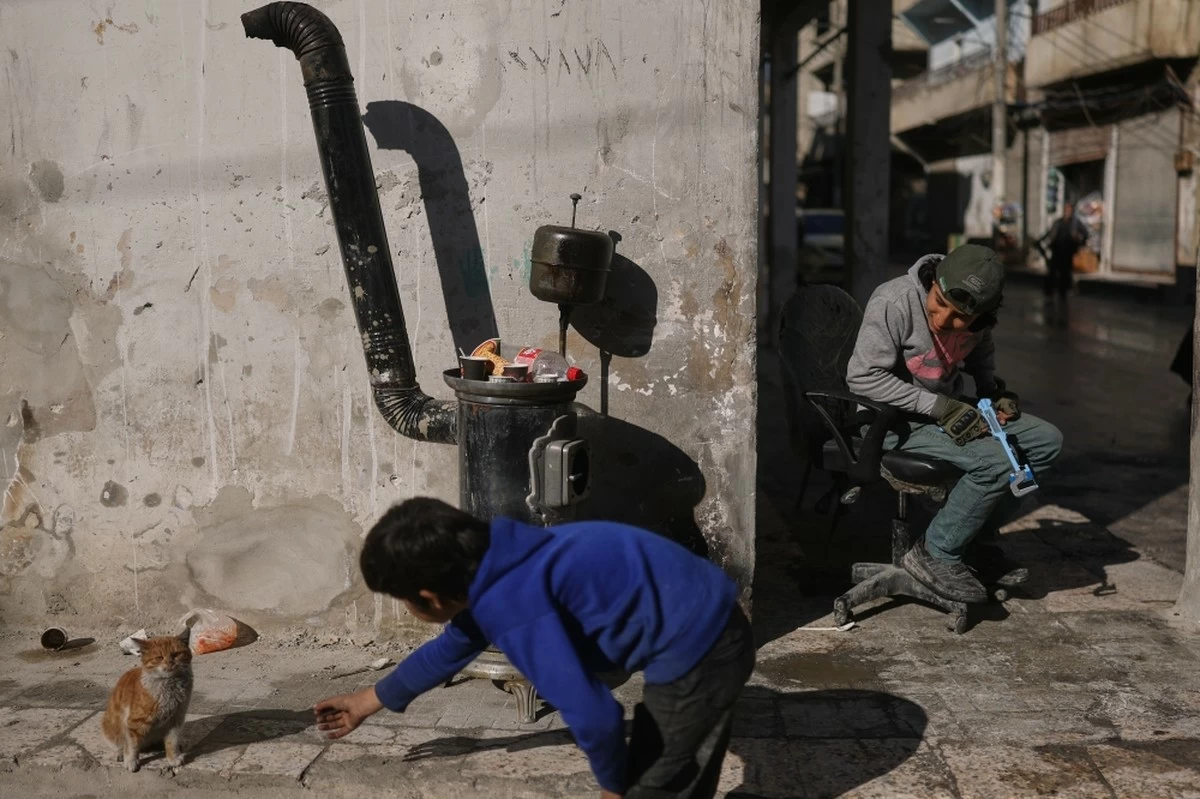

ALEPPO, Syria, Feb 15, (AP): A month after clashes rocked a Kurdish-majority neighborhood in Syria ’s second-largest city of Aleppo, most of the tens of thousands of residents who fled the fighting between government forces and the Kurdish-led Syrian Democratic Forces have returned - an unusually quick turnaround in a country where conflict has left many displaced for years.
"Ninety percent of the people have come back,” Aaliya Jaafar, a Kurdish resident of the Sheikh Maqsoud neighborhood who runs a hair salon, said Saturday. "And they didn’t take long. This was maybe the shortest displacement in Syria." Her family only briefly left their house when government forces launched a drone strike on a lot next door where weapons were stored, setting off explosions.
The Associated Press visited the community that was briefly at the center of Syria's fragile transition from years of civil war as the new government tries to assert control over the country and gain the trust of minority groups anxious about their security. The clashes broke out Jan. 6 in the predominantly Kurdish neighborhoods of Sheikh Maqsoud, Achrafieh and Bani Zaid after the government and the SDF reached an impasse in talks on how to merge Syria’s largest remaining armed group into the national army.
Security forces captured the neighborhoods after several days of intense fighting during which at least 23 people were killed and more than 140,000 people displaced. However, Syria's new government took measures to avoid civilians being harmed, unlike during previous outbreaks of violence between its forces and other groups on the coast and in the southern province of Sweida, during which hundreds of civilians from the Alawite and Druze religious minorities were killed in sectarian revenge attacks.
Before entering the contested Aleppo neighborhoods, the Syrian army opened corridors for civilians to flee. Ali Sheikh Ahmad, a former member of the SDF-affiliated local police force who runs a secondhand clothing shop in Sheikh Maqsoud, was among those who left. He and his family returned a few days after the fighting stopped.
At first, he said, residents were afraid of revenge attacks after Kurdish forces withdrew and handed over the neighborhood to government forces. But that has not happened. A ceasefire agreement between Damascus and the SDF has been holding, and the two sides have made progress toward political and military integration. "We didn’t have any serious problems like what happened on the coast or in Sweida,” Sheikh Ahmad said. The new security forces "treated us well,” and residents’ fears began to dissipate.