

14/11/2026

Share:
14/11/2026
Share:
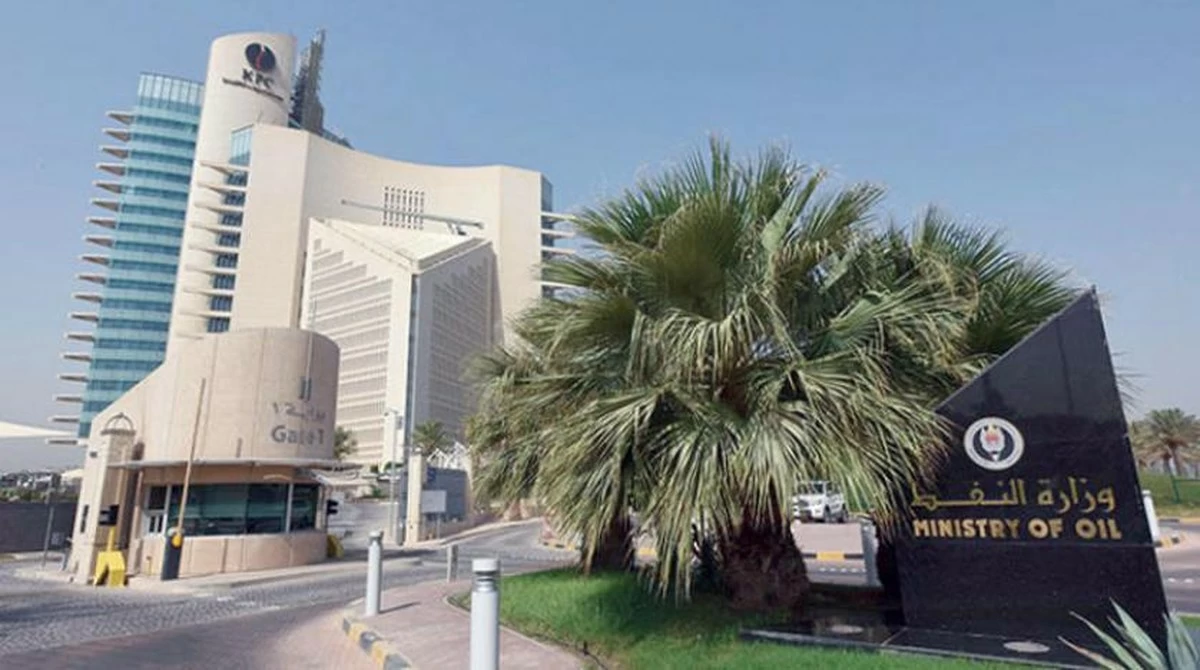

KPC recognizes the importance of diversifying its customer base and expanding into rapidly growing new markets such as Ethiopia, which serves as a strategic gateway to the African continent. Through this approach, KPC is leveraging its production and refining capabilities to meet growing international energy demand while maintaining the highest quality standards, further strengthening Kuwait’s position as a reliable global energy supplier. Establishing a strategic presence in Africa serves as a safety valve and provides a vital alternative for diversifying markets and securing revenues for Gulf oil-producing countries. This has become particularly important in light of the repercussions of the 2026 Strait of Hormuz closure crisis, which highlighted the risks of excessive reliance on a single shipping route or a limited number of traditional markets. KPC is intensifying its efforts to market Kuwaiti oil and petroleum products, even under the most challenging geopolitical circumstances.
Accordingly, the corporation has strengthened its presence in African markets during the crisis to diversify its customer base, particularly amid growing supply chain complexities affecting major Asian markets, which have historically accounted for the largest share of Gulf oil exports. Long-term contracts in African markets help ensure stable cash flows and provide an outlet for production once secure shipping routes become available, particularly given the strong demand for Kuwaiti petroleum products across the continent.
There are several advantages, as the East African ports, particularly those in Ethiopia and Djibouti, are relatively closer to Kuwait than distant East Asian markets. This geographical advantage helps reduce shipping times and marine insurance costs, especially during periods of crisis. The limited refining capacity in many African countries, coupled with rapid economic and population growth, makes the continent an attractive market for high-value petroleum products such as diesel and jet fuel, which are produced by modern Kuwaiti refineries, including Al-Zour Refinery. Maintaining an active and diversified network of sales outlets across Africa also helps reduce the risk of accumulating surplus inventories and provides alternative markets for surplus production whenever traditional exports through the Gulf are disrupted. This, in turn, helps ensure that refineries and oil wells continue operating at the highest possible efficiency without the need to curtail production.