



17/10/2026

Share:
17/10/2026
Share:
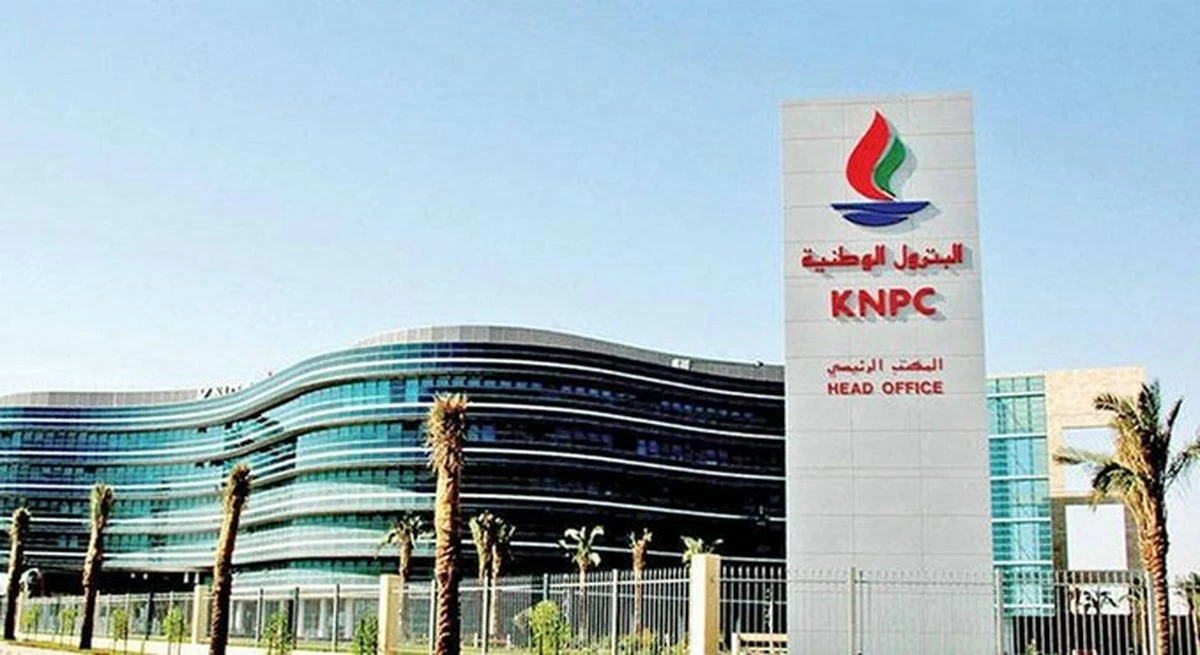

KUWAIT CITY, Oct 17: In a strategic move that indicates a major transformation in oil investments and strengthens the partnership between the public and private sectors, Kuwait National Petroleum Company (KNPC) recently signed a memorandum of understanding (MoU) with the National Chemical and Petroleum Industries (NCPI), say reliable sources. Sources disclosed that the MoU aims to localize the production of Maleic Anhydride (MAN) — a cornerstone for the new generation of downstream and petrochemical industries in the country.
Sources confirmed the attendance of several officials from the oil and industrial sectors at the signing ceremony. Sources said KNPC CEO Wadha Al-Khateeb NCPI Chairman Walid Ali Mahdi signed the MoU. Sources added this signals the beginning of the new phase of coordination to maximize the utilization of local hydrocarbon resources and localizing modern industrial technology. Meanwhile, an oil sector source informed the newspaper that the development of the MAN plant is a crucial step in the modernization of the local oil sector, propelling it toward new horizons of operational efficiency.
According to the source, the project will help transform refining infrastructure into an integrated platform for producing high-value chemical products by utilizing local hydrocarbon resources through innovative methods that ensure sustainable economic returns for the state. The source pointed out that the development path of the plant entails integrating advanced global technologies into the butane oxidation process to increase production capacity and reduce carbon emissions in line with the stringent international environmental standards and the sustainability goals adopted by KNPC. He asserted that these efforts follow major expansions and structural consolidations within the sector, which enhanced the reliability and continuity of feedstock supply to the plant. He stated that from an economic and strategic perspective, the plant will serve as a vital artery for various downstream industries in Kuwait and the whole Arabian Gulf. “It will provide essential raw materials for producing fiberglass and polymers, which are used in construction, transport infrastructure and coatings, thereby, reducing reliance on imports and opening new export markets to push for the growth non-oil exports. It will create an environment conducive for knowledge transfer and the localization of engineering and technical roles for young Kuwaiti professionals,” he added.
The source stressed that this approach is a qualitative leap in asset operational efficiency, particularly after the KIPIC-KNPC merger, which provides superior and dynamic flexibility in directing feedstock toward the most profitable downstream projects. He affirmed that it offers Kuwait the golden opportunity to establish an integrated industrial base capable of meeting the demand for advanced plastic materials in the domestic and regional markets, in line with the 2040 goal of Kuwait Petroleum Corporation (KPC) to diversify national income sources. He thinks this kind of agreement with the private sector necessitates laying down strict criteria to ensure sustainable development. He asserted that the partnership requires private investors to introduce the latest globally recognized technologies for polymer production and environmental protection. “It also necessitates an unwavering commitment to increase the number of Kuwaiti employees (Kuwaitization) and generate career opportunities for young Kuwaiti engineers and technical professionals. Therefore, the project is an integrated development model that yields economic and human capital returns for the nation,” the source concluded.
By Najeh Bilal Al-Seyassah/Arab Times Staff