



03/08/2026

Share:
03/08/2026
Share:
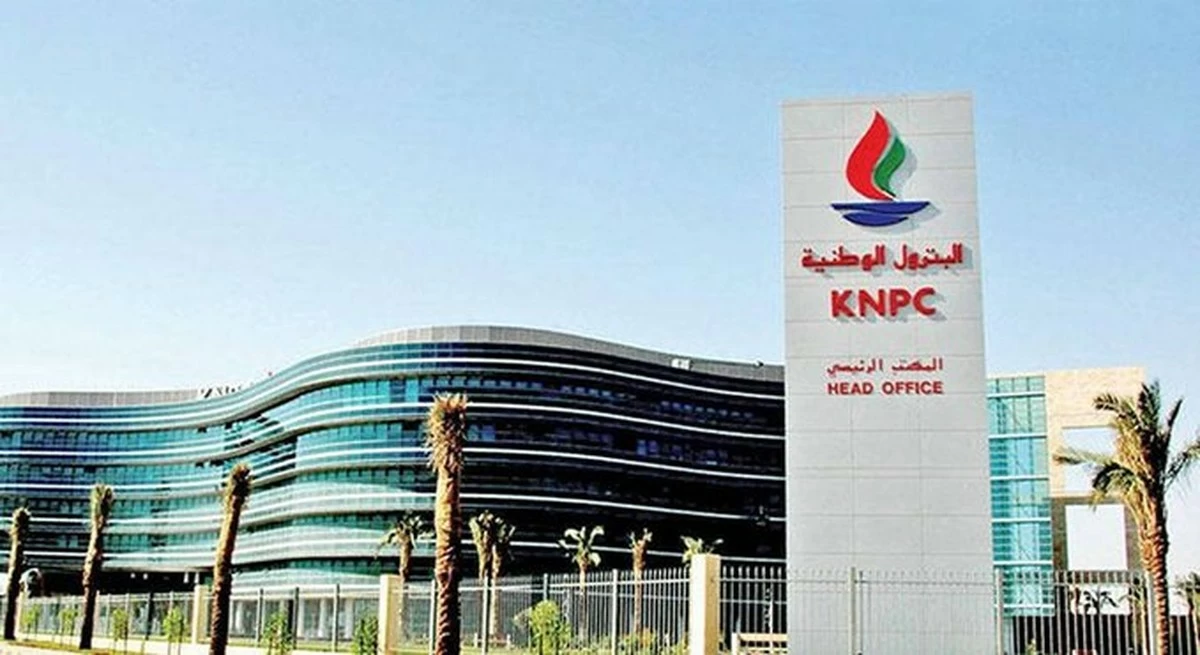

KUWAIT CITY, Aug 3: Kuwait National Petroleum Company (KNPC) is supplying the Ministry of Electricity, Water, and Renewable Energy’s fuel stations with low-sulfur fuel as a safe and sustainable environmental alternative to traditional fuels. According to informed sources, this step represents a significant step towards improving air quality and supports national efforts to reduce emissions from power generation operations, in line with international commitments to lowering the carbon footprint.
The Al-Zour Refinery is designed to process various types of crude oil to produce low-sulfur petroleum products that meet local and global energy needs, while strictly complying with environmental standards and the requirements of the Environment Public Authority (EPA). The strategic transition from using high-sulfur fuel oil (four percent) to low-sulfur fuel oil (0.5 percent) has led to a significant reduction in sulfur levels.
This shift has resulted in a 65 percent decrease in pollution levels in the surrounding areas. According to the Ministry of Electricity, Water, and Renewable Energy, one of the benefits of the changes implemented at the Al-Zour South and Doha power plants is that the use of low-sulfur fuel oil has directly contributed to reducing sulfur dioxide emissions at both facilities.
This operational reduction has had a tangible and positive impact on air quality in residential areas surrounding the two plants, helping to protect the public health of citizens and residents and reduce the health risks associated with gaseous emissions. These measures align with the Kuwait Petroleum Corporation’s (KPC) 2040 strategic objectives, which aim to enhance environmental sustainability and social responsibility in all projects. The sources also highlighted Kuwait’s strategic goal of achieving carbon neutrality (zero emissions) at the national level by 2060, while the oil and gas sector specifically aims to achieve this target by 2050
By Najeh Bilal Al-Seyassah/Arab Times Staff