


17/01/2026

Share:
17/01/2026
Share:

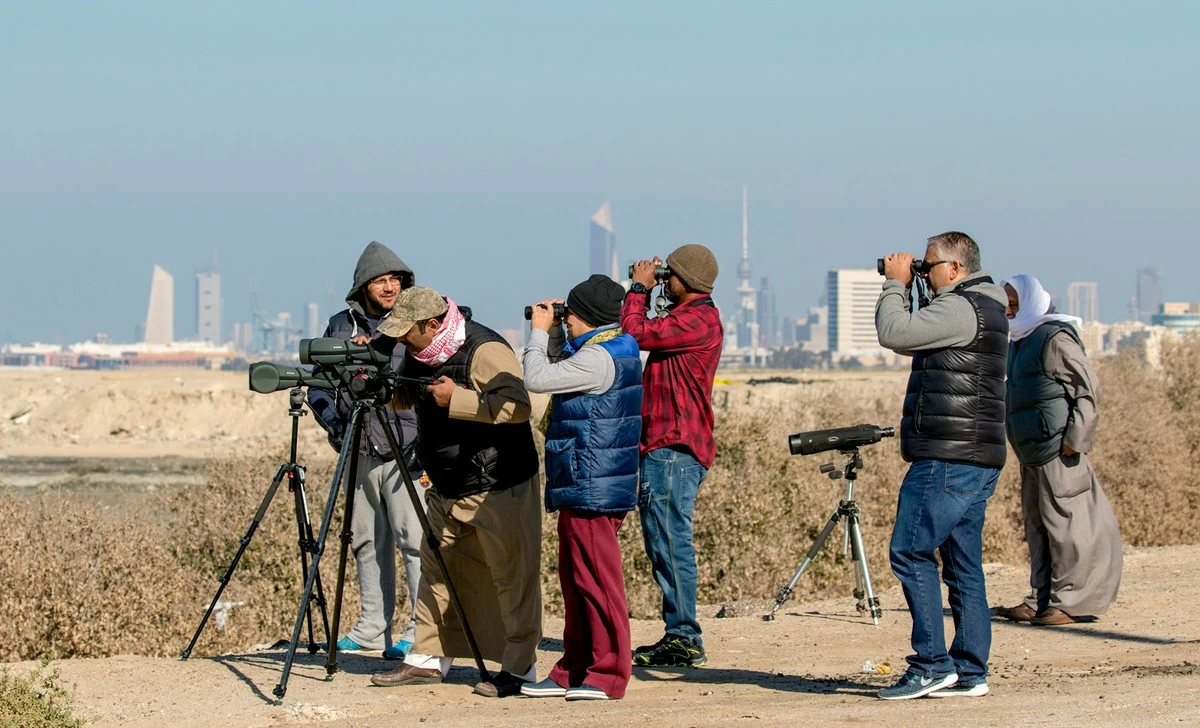
KUWAIT CITY, Jan 17: The Kuwait Environment Protection Society (KEPS) organized the "World Winter Bird Count Day" on Saturday at Sulaibikhat Beach, under the patronage of Social Affairs and Family and Childhood Affairs Minister Dr. Amthal Al-Huwailah. The event saw wide participation from government and community organizations, volunteer teams, and members of the diplomatic corps, KEPS said in a press release.
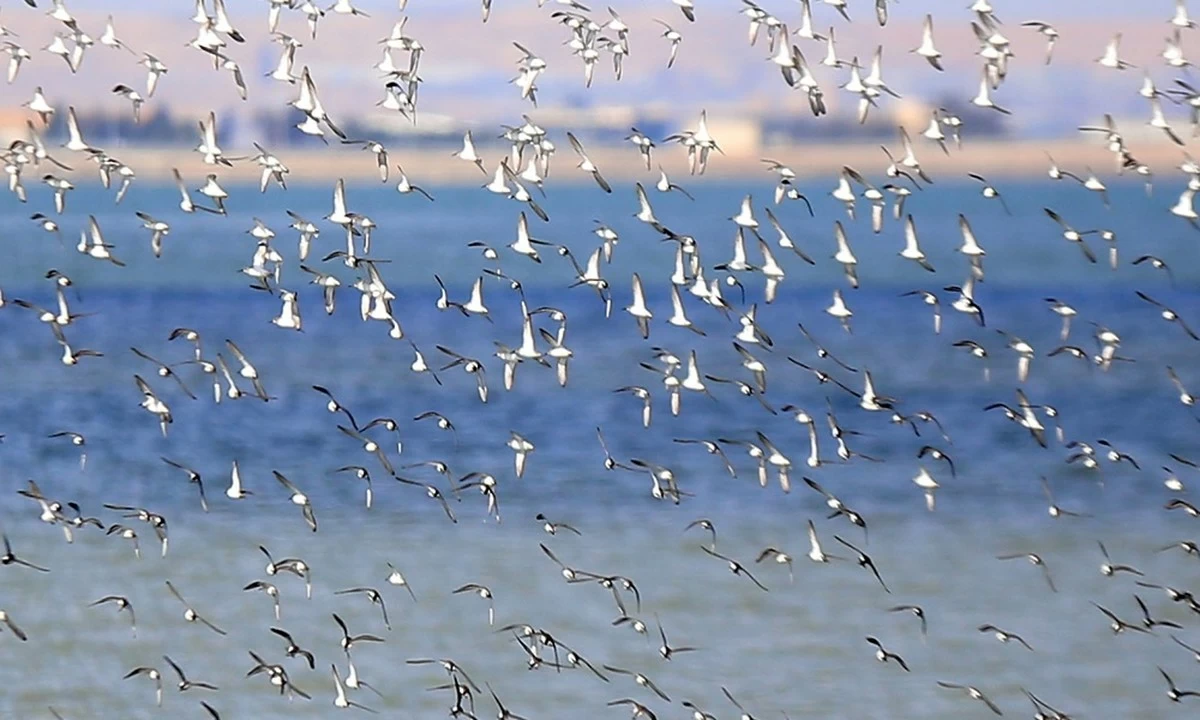
Field monitoring and documentation by KEPS’ specialized team recorded large and diverse numbers of birds, led by 500 Dunlin, 300 Black-headed Gulls, 200 Greater Flamingos, 200 Common Redshank, 50 Kentish Plovers, and 30 Mallards. Other species counted included 20 Grey Herons, 20 Grey Plovers, 20 Laughing Doves, 12 Common Shelduck, 10 Slender-billed Gulls, 10 Common Ringed Plovers, and varying numbers of additional species.
KEPS Chair Dr. Wijdan Al-Oqab said on the sidelines that the activity is part of the Society’s contribution to international environmental initiatives. It aims to reinforce environmental awareness and highlight the importance of preserving Kuwait’s migratory and resident birdlife. She emphasized the need to protect and clean beaches and reduce waste, particularly plastics, to safeguard biodiversity.
Al-Oqab praised Minister Al-Huwailah’s patronage and commended the participation of the Ministry of Interior, including the environmental police, as well as the presence of emergency medical services during the event. She noted that the International Union for Conservation of Nature (IUCN) and BirdLife International are strategic international partners.
She added that the diversity of participants—including government entities, civil society organizations, volunteer groups, youth, families, and several Arab and foreign ambassadors—reflects growing environmental interest in Kuwait. The event ran from noon to 4 p.m., with birdwatchers, environmental experts, photography enthusiasts, and student groups taking part alongside fixed viewing platforms, binoculars, a photo exhibition, and a beach clean-up campaign.
Head of KEPS’ Bird Monitoring and Protection Team Mohammad Shah said the best time for counting in Kuwait is during December and January, when migration movements decline, allowing more accurate monitoring of wintering species.
Shah added that KEPS has organized the activity since 2012. Initially a one-day event, this year’s count was extended to cover January 1-17 across Kuwait, with systematic monitoring at different times and locations to be included in the Society’s 2026 annual monitoring report. He noted that the event is scheduled on the third Saturday of January to coincide with high tide, which brings wading and seabirds closer to shore, facilitating accurate counts from fixed observation points.