



06/05/2026

Share:
06/05/2026
Share:

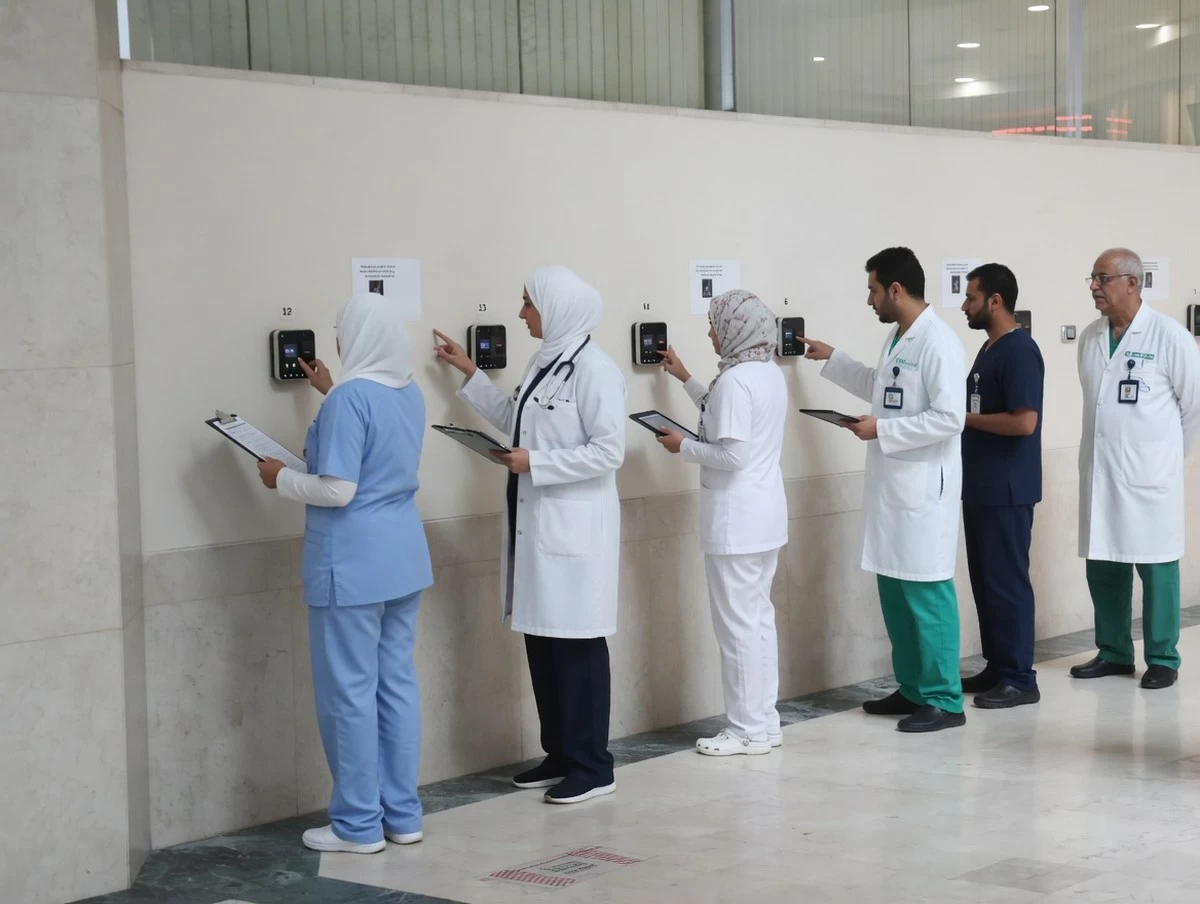
KUWAIT CITY, May 6: The Second Division of the Court of Appeal, headed by Counselor Nasr Salem Al-Haid, with Counselors Mutab Al-Aradhi and Saud Al-Sane as members, upheld the Criminal Court’s verdict in a case involving the unlawful payment of salaries through forged attendance records at the Ministry of Health.
The case involved the manipulation of the ministry’s electronic fingerprint attendance system, which allegedly enabled several employees to receive salaries despite not regularly reporting to work. The total amount unlawfully obtained was estimated at around KD 260,000 .
The Public Prosecution charged the first defendant, a public employee, with facilitating the misappropriation of public funds belonging to the Ministry of Health. He was accused of exempting the second defendant from the fingerprint attendance system despite his absence from work, recording the attendance of the fourth defendant without his actual presence, and failing to report the absence of the third defendant.
Prosecutors said the violations were carried out through the falsification of daily attendance and departure records, including electronic fingerprint data stored in the ministry’s system. The first defendant was also accused of forging the fourth defendant’s work commencement approval.
According to the charges, the second defendant, an engineer, unlawfully obtained approximately KD 101,000 , while the third defendant received around KD 77,000 , and the fourth defendant, also an engineer, obtained approximately KD 80,000 .
The Ministry of Health had earlier opened an administrative investigation after detecting suspected manipulation of employee attendance records through the fingerprint system.
The Criminal Court had sentenced the first, second and third defendants in absentia to seven years in prison with hard labor , ordered their dismissal from public service, and required them to repay the amounts unlawfully obtained. The court also fined each defendant double the amount involved.
As for the fourth defendant, the court refrained from imposing a prison sentence on condition that he submit a written pledge of good conduct for one year, supported by a KD 500 guarantee . He was also dismissed from his job and fined approximately KD 161,000 after repaying the amount he had unlawfully received.
After reviewing the case, the Court of Appeal upheld the Criminal Court’s ruling. The second defendant had been convicted in absentia and did not appear before the Court of Appeal.